Shopfloor
Notes from the fab floor
FabMaster’s notes come straight from our workshop, fixtures, metrology, safety and training teams. Use them for toolbox talks, bay setups and sharper fab yard habits.
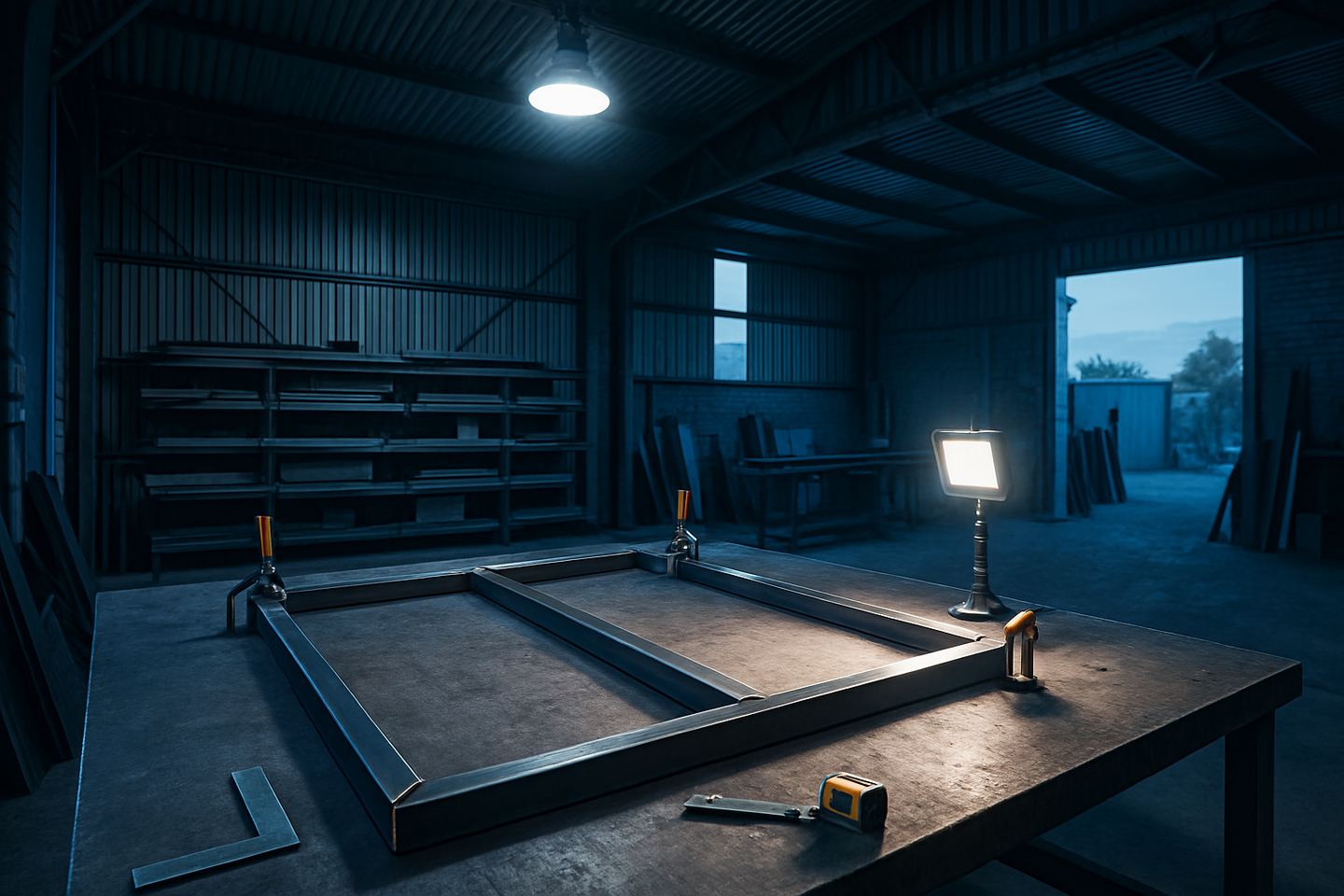
Light the fit-up bench, not the roof
Low side light that shows gaps before the first tack.
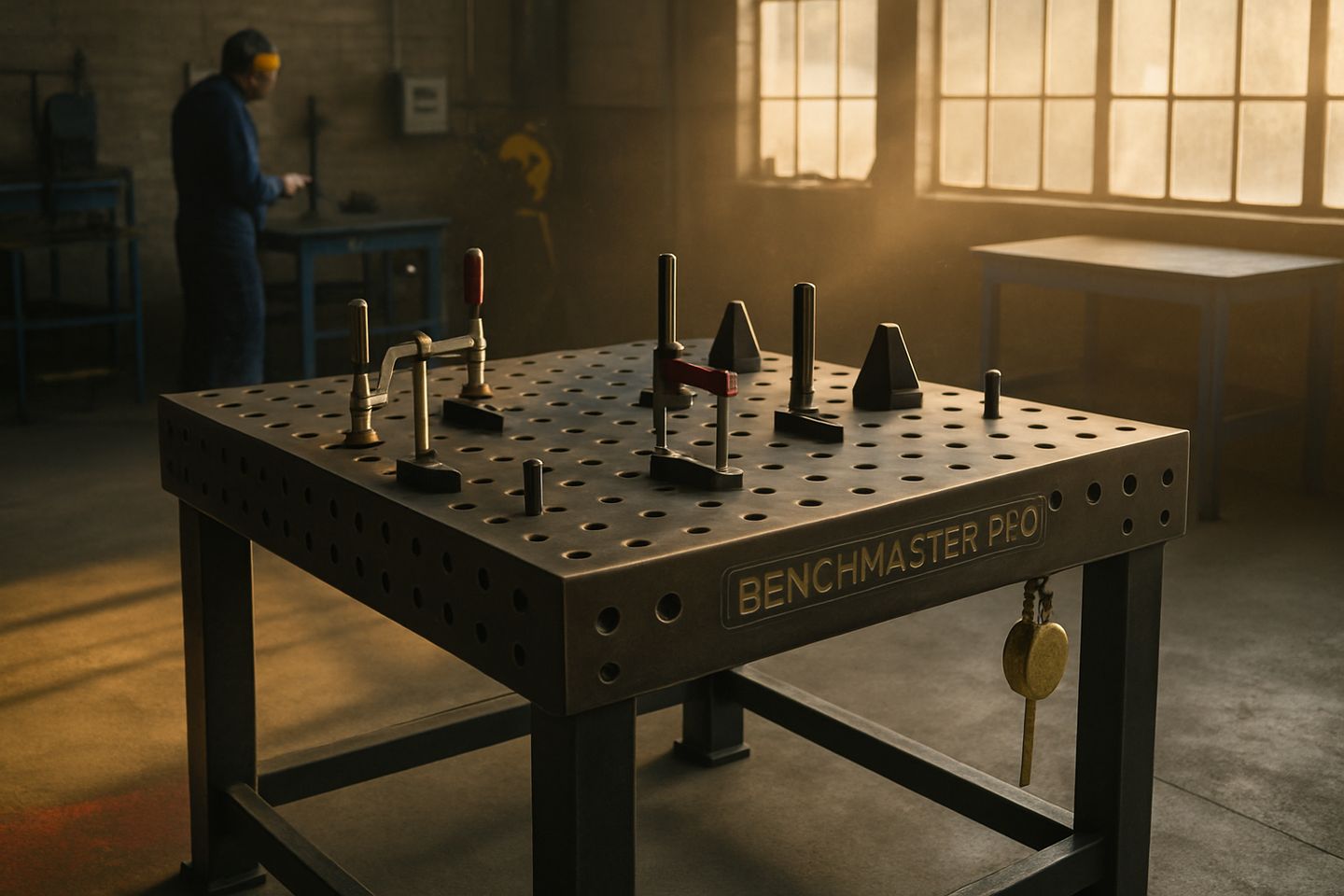
Dog-hole discipline on fab benches
Why a 50 mm grid beats hopeful clamps on structural tops.
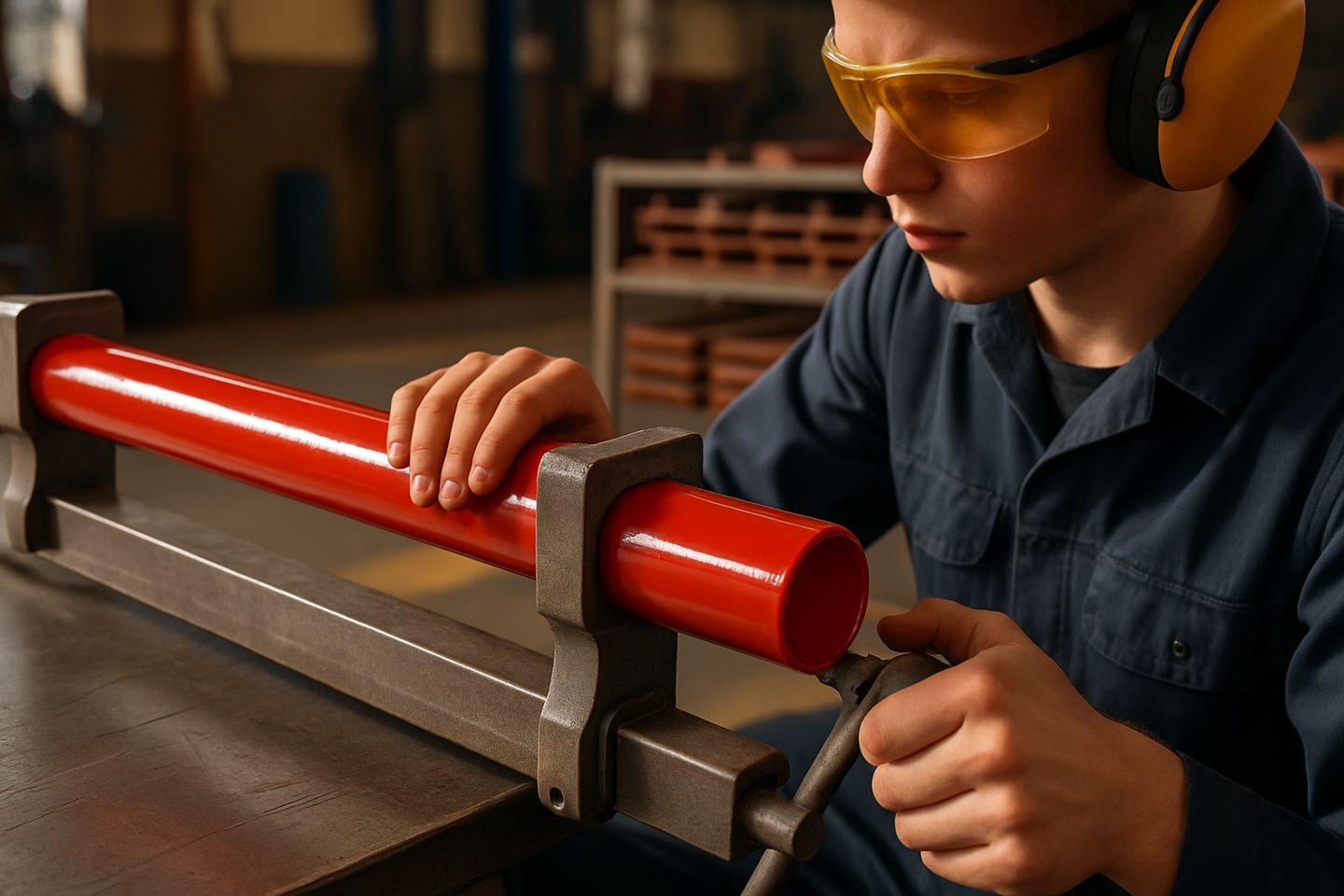
Soft jaws for painted tube
Keeping powder-coated gates unmarked during fit-up.
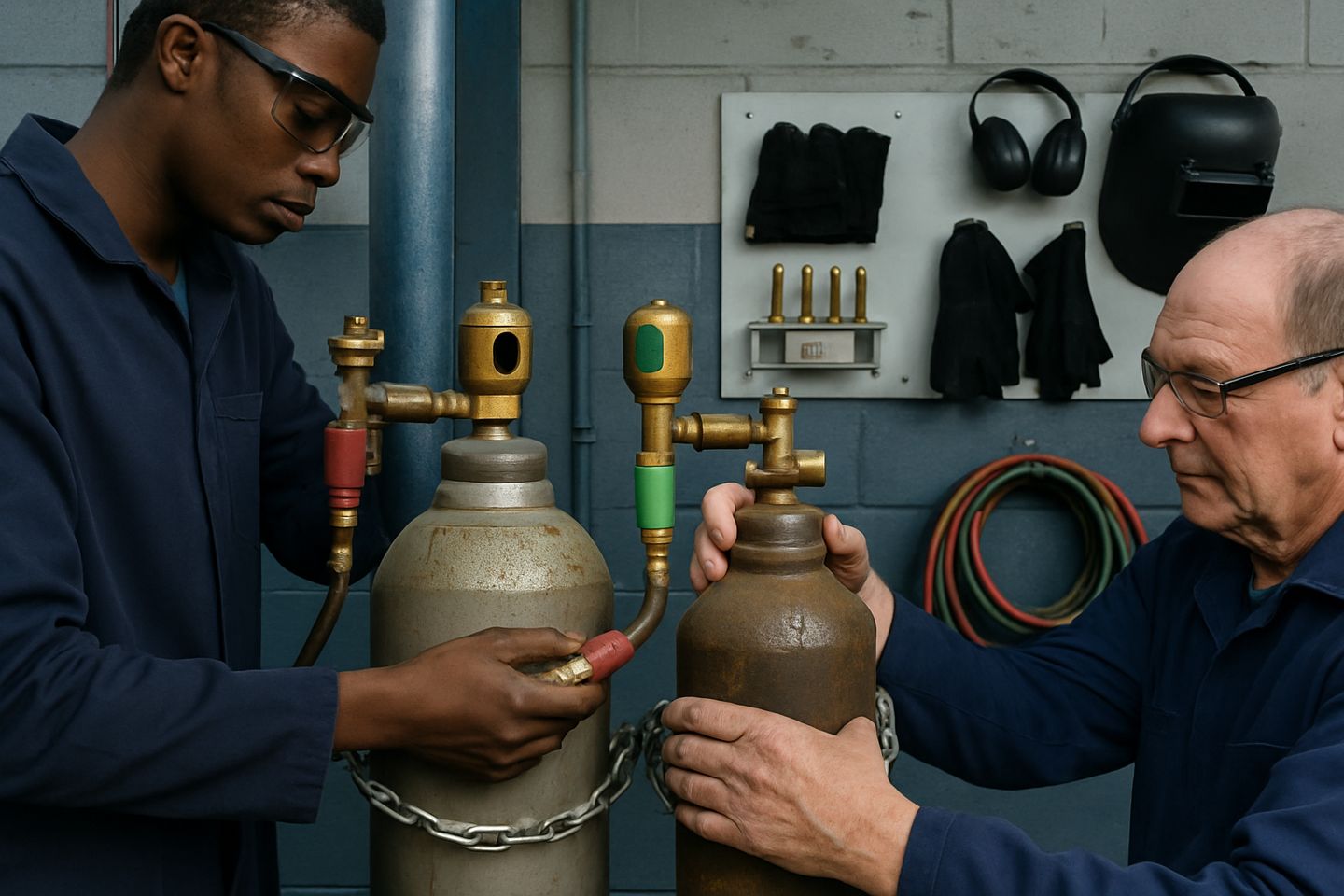
Flashback habits that stick
Tip boards and arrestor checks apprentices actually follow.
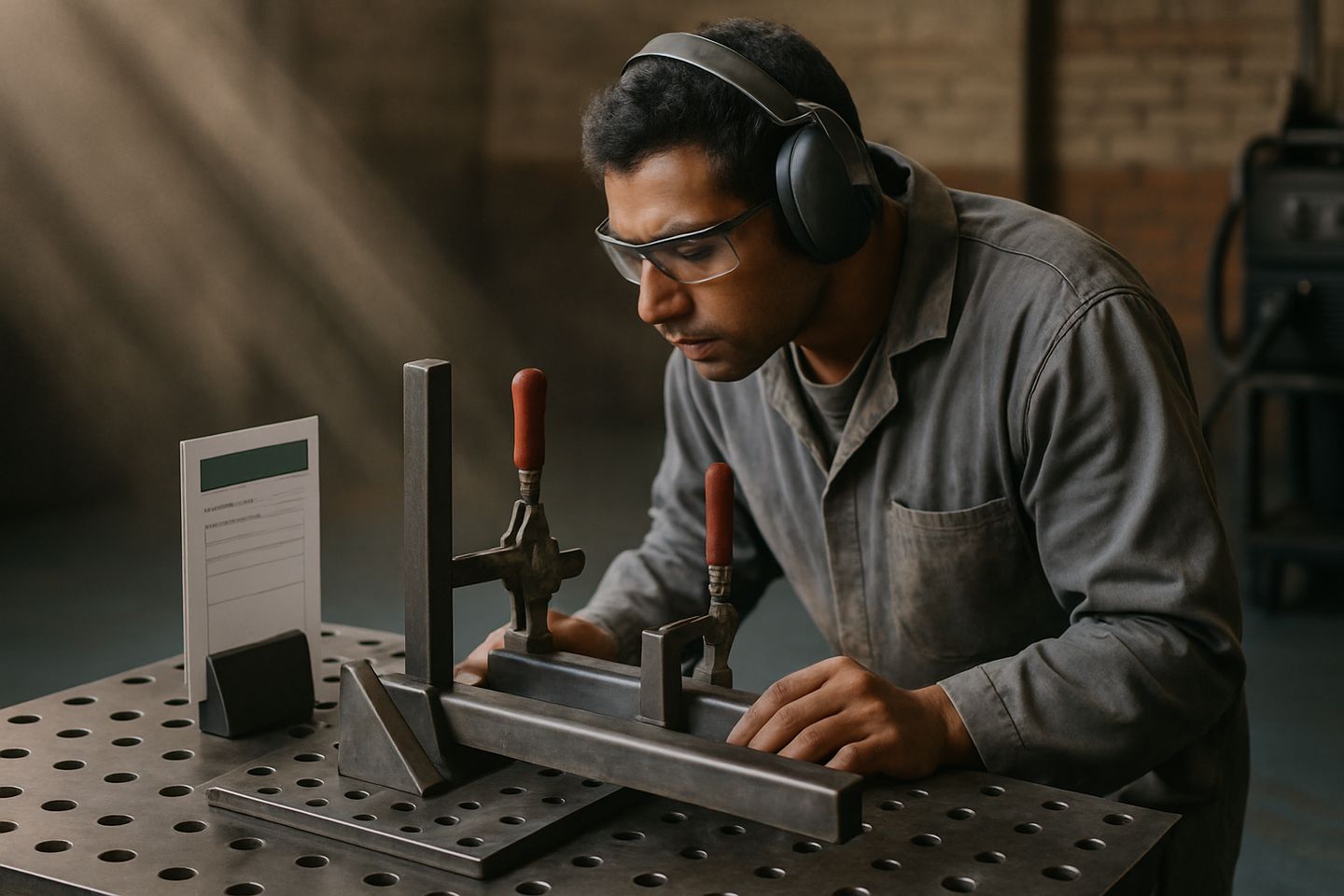
Jig recipes before the weld
Barcode tags that stop trailers wandering mid-run.
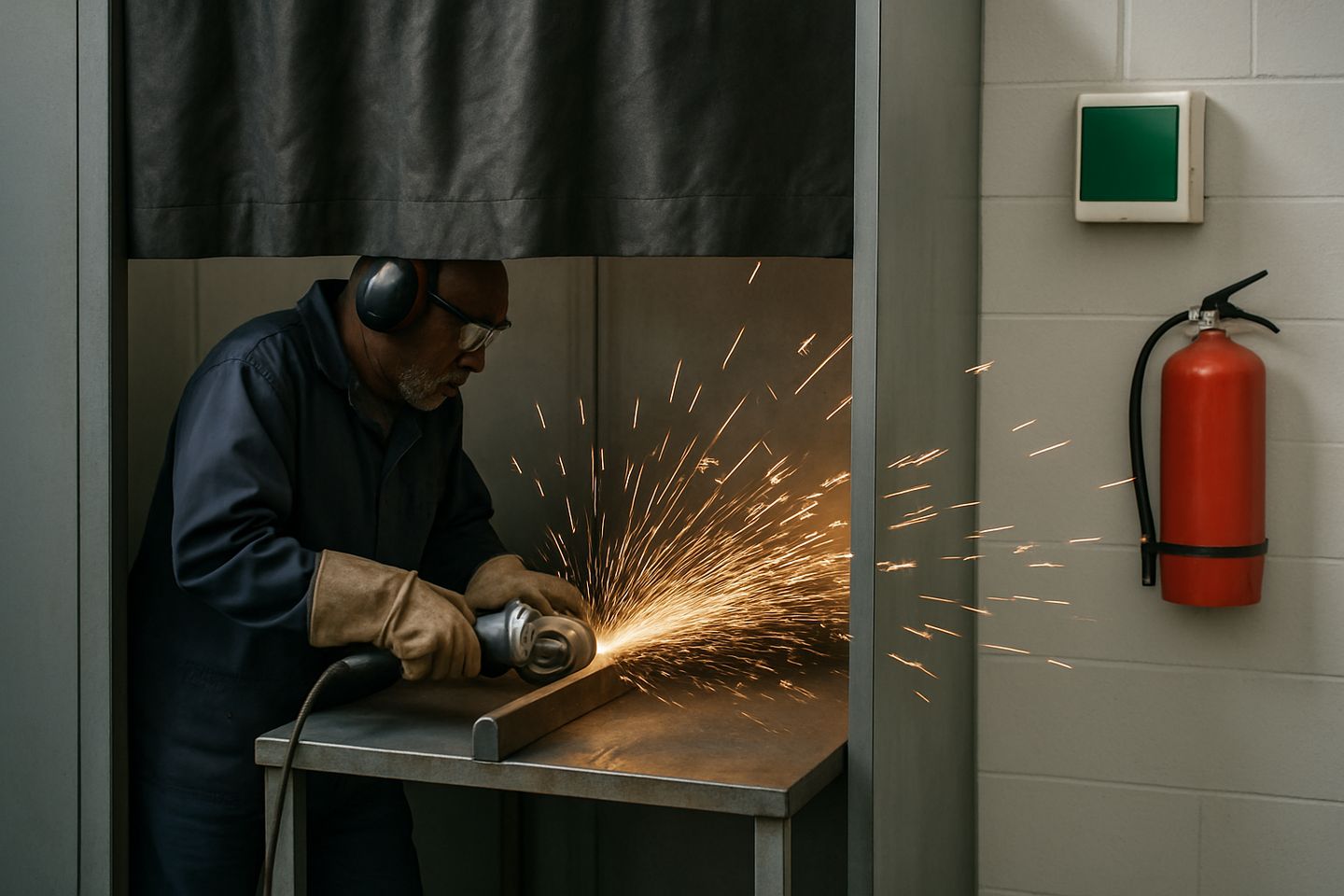
Spark skirts that actually work
Containment that survives a busy municipal grind bay.
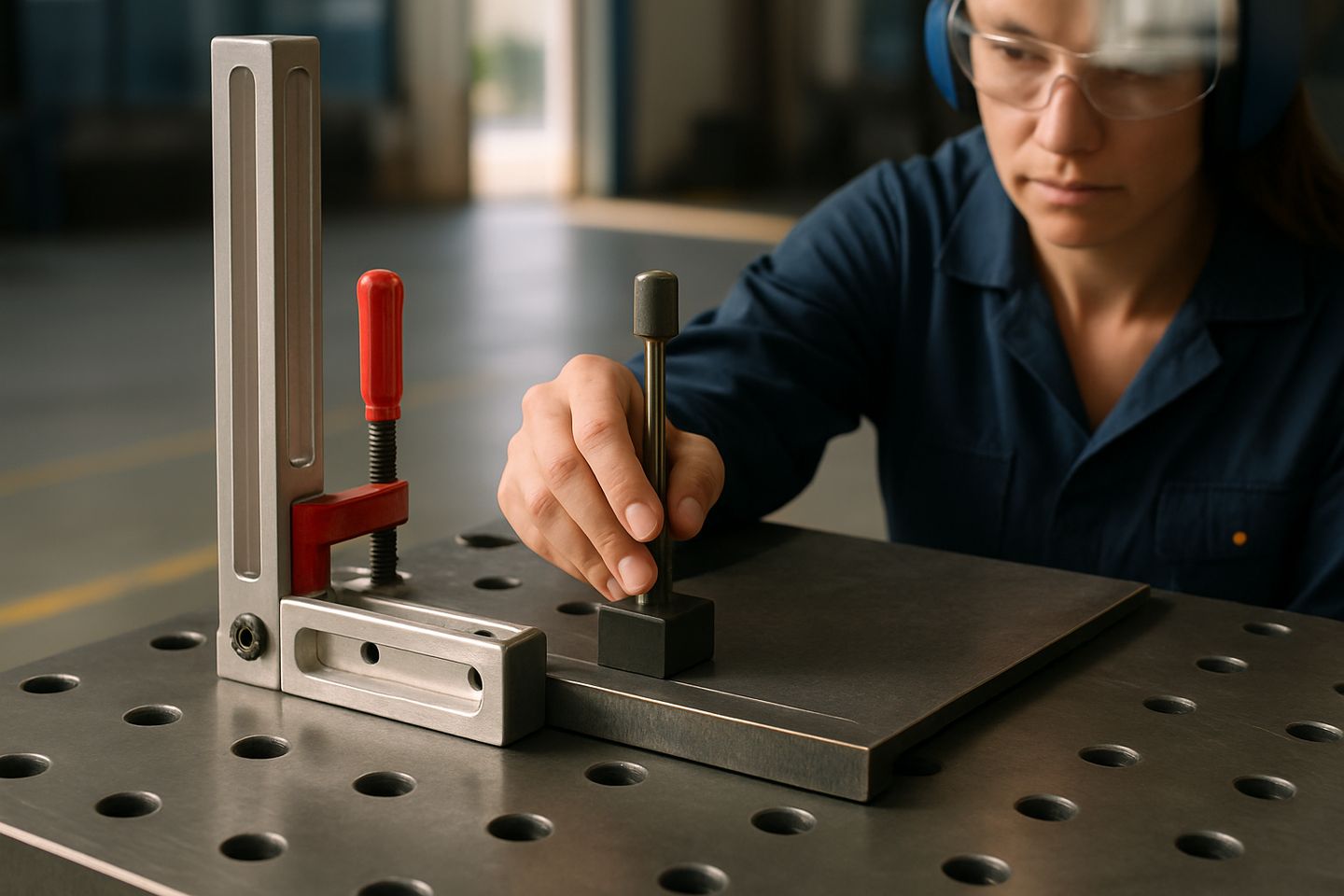
Square fences before chalk
Layout tables that stay true for full chassis marks.
Remnant lanes that finance likes
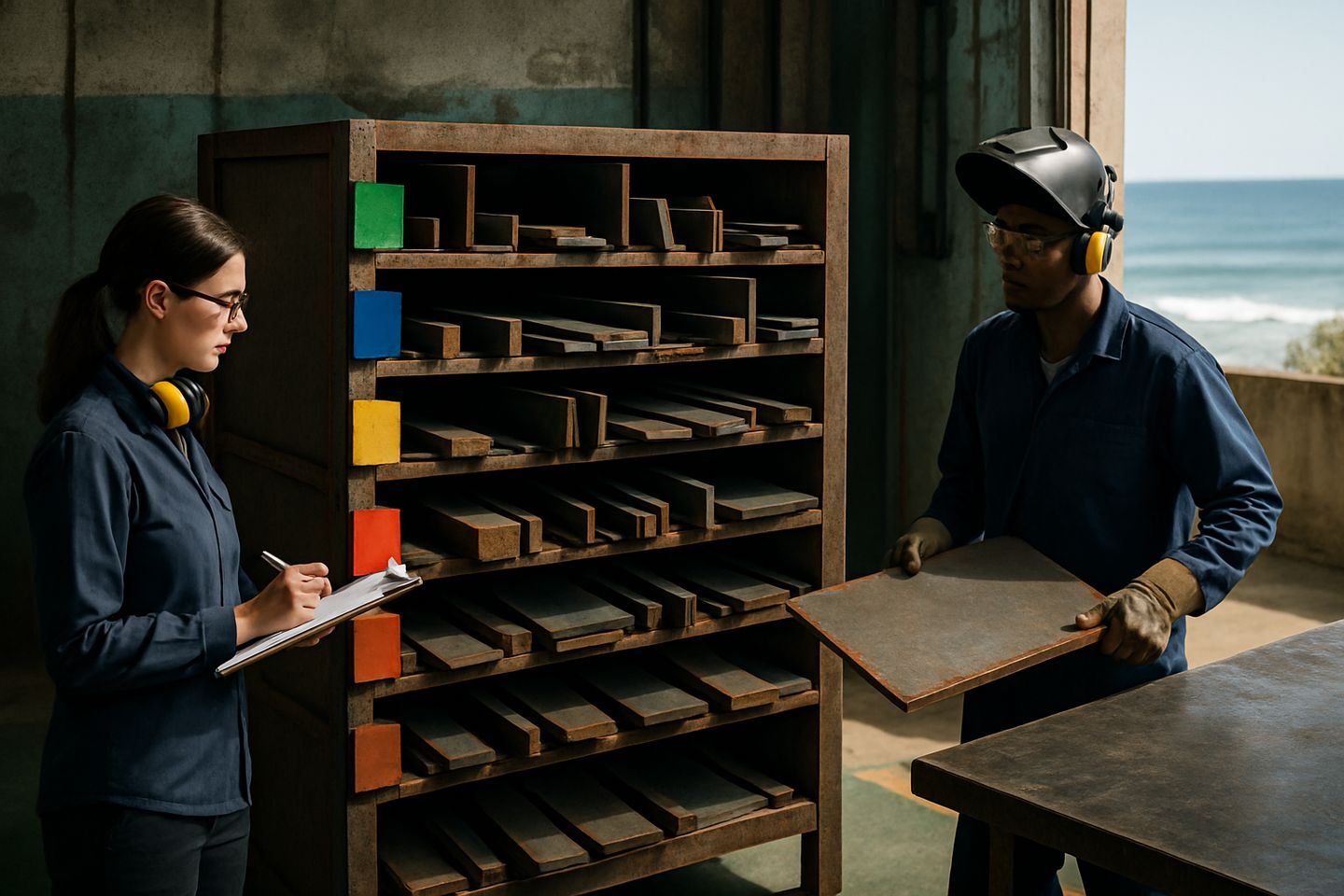
Thickness tags that turn scrap into usable stock.
Pre-weld measures that stick
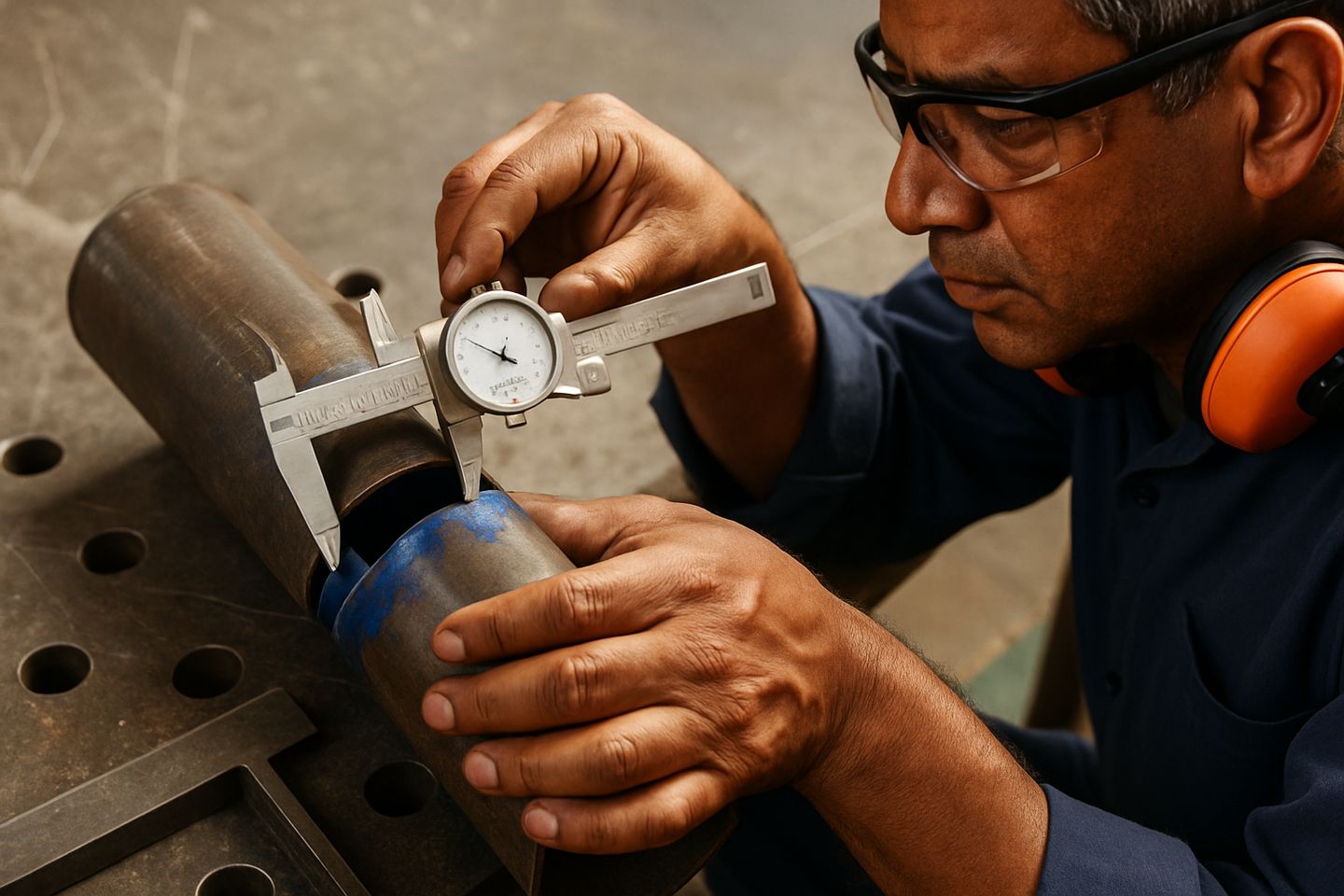
Calliper habits before the first bead.
PPE at the bay gate
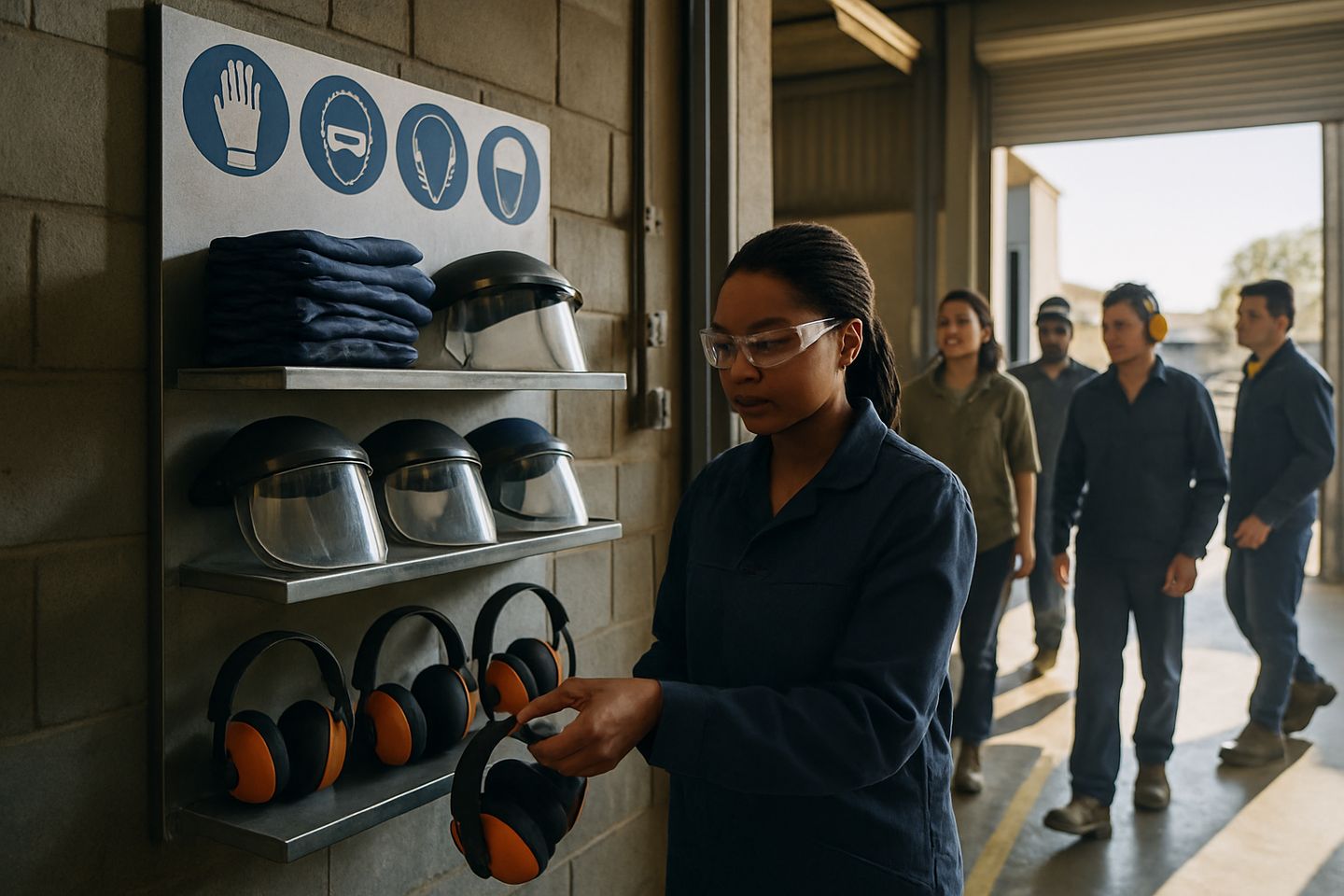
Stations that get worn because they sit at entry.
Earth paths that stay short
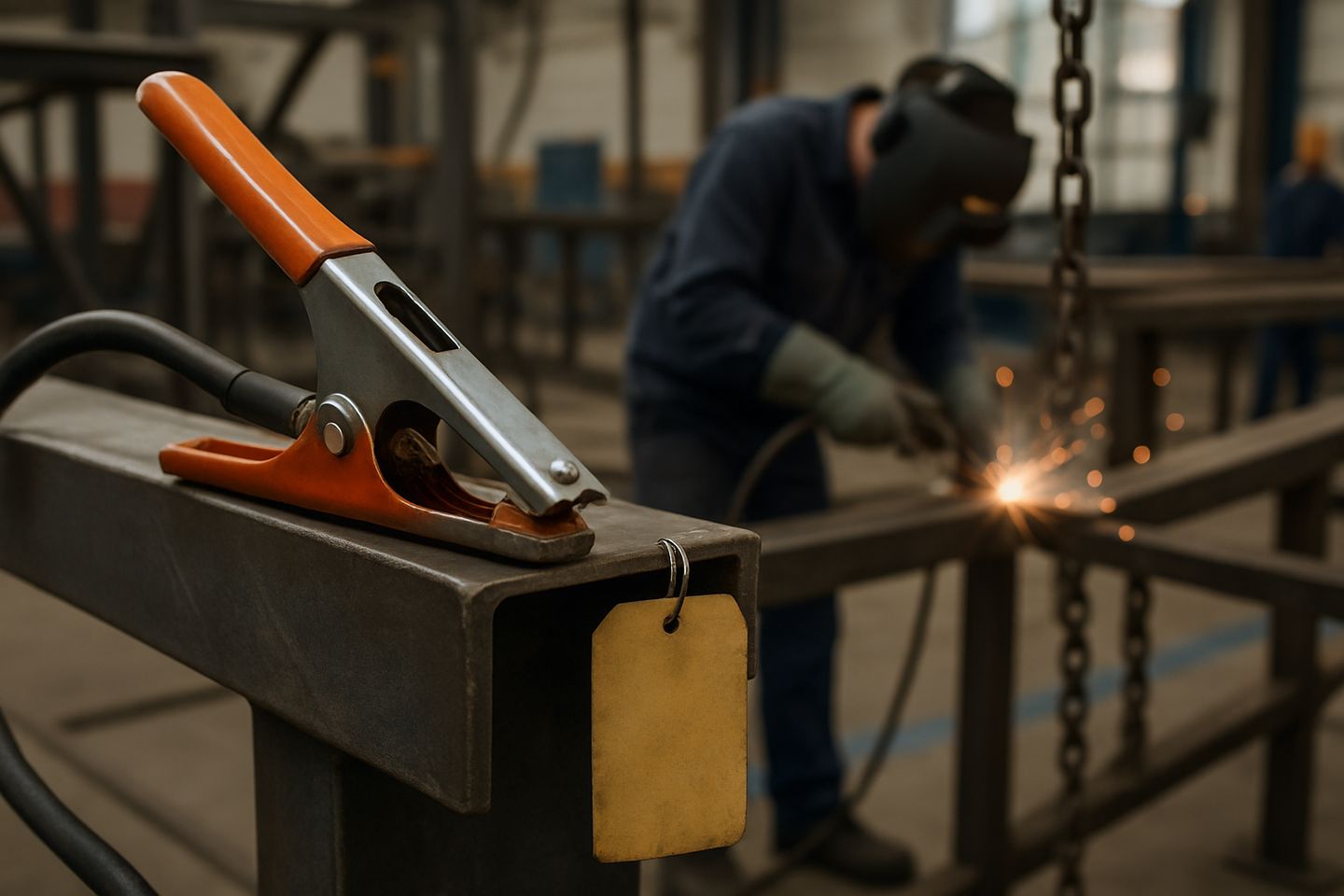
Return clamps that quiet a noisy MIG bay.
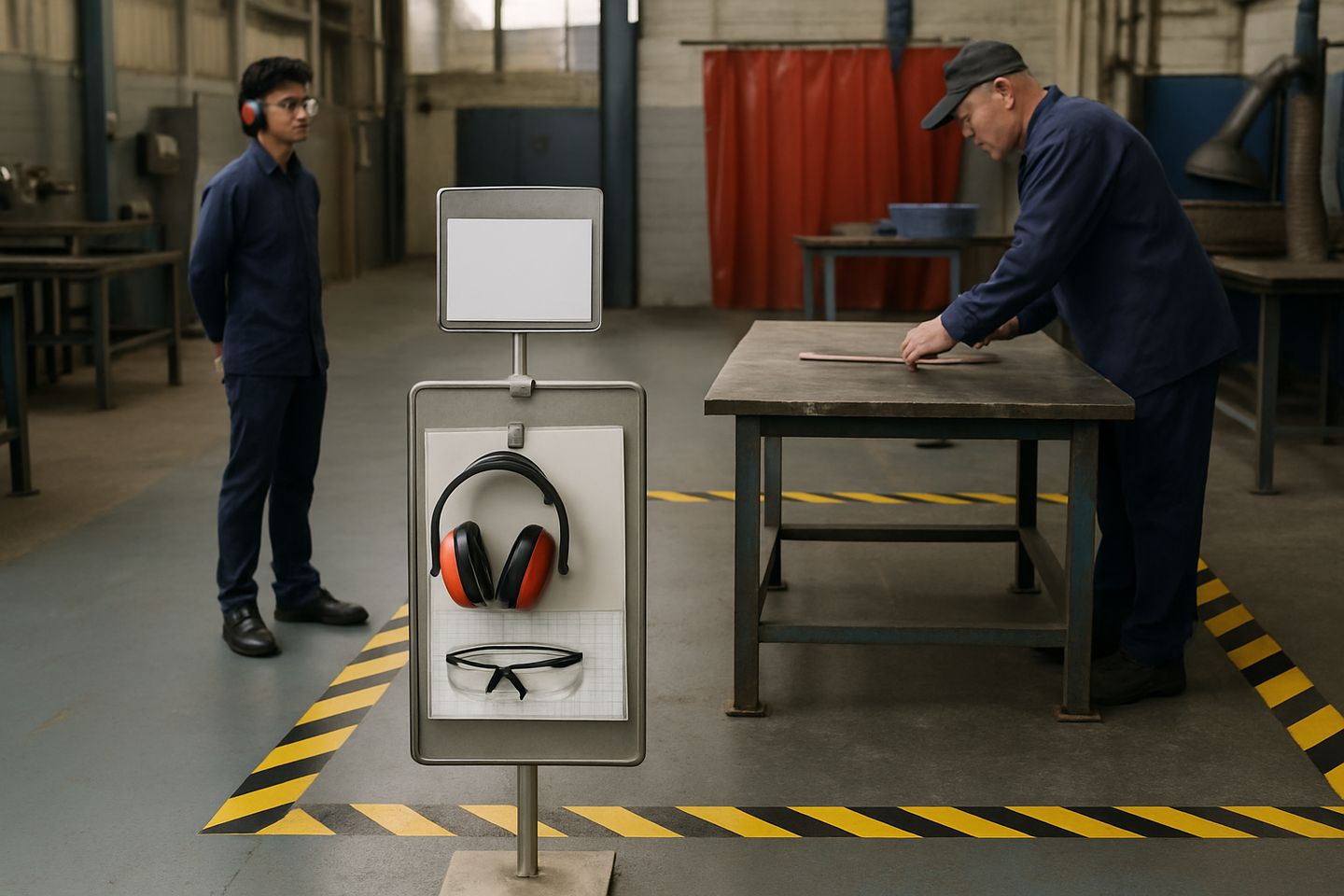
Apprentice zones that teach
Floor marks that teach before lectures do.
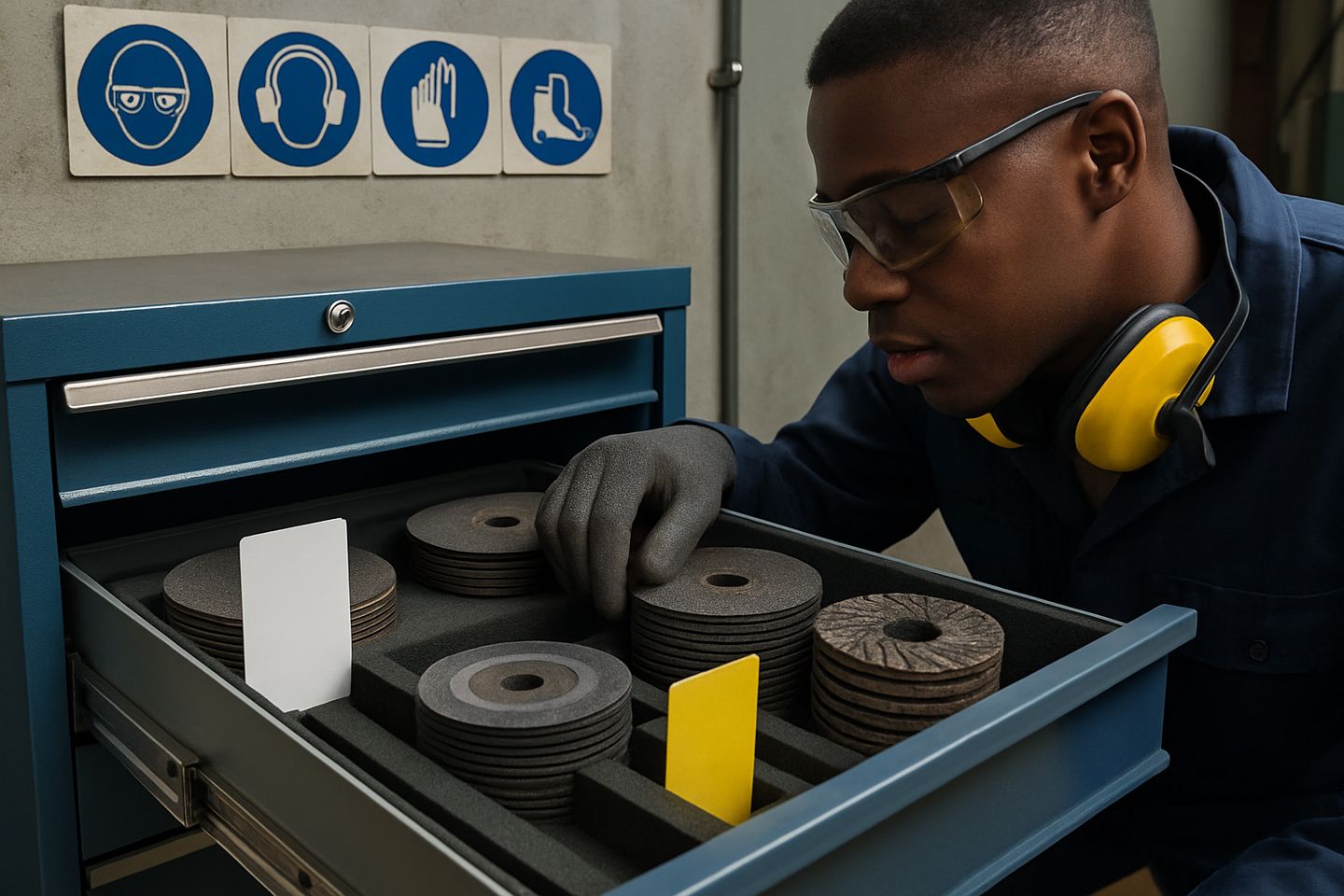
Kanban discs that restock
Cart cards that stop mid-weld store walks.

Power-cut bay queues
Queue boards when power windows shrink.
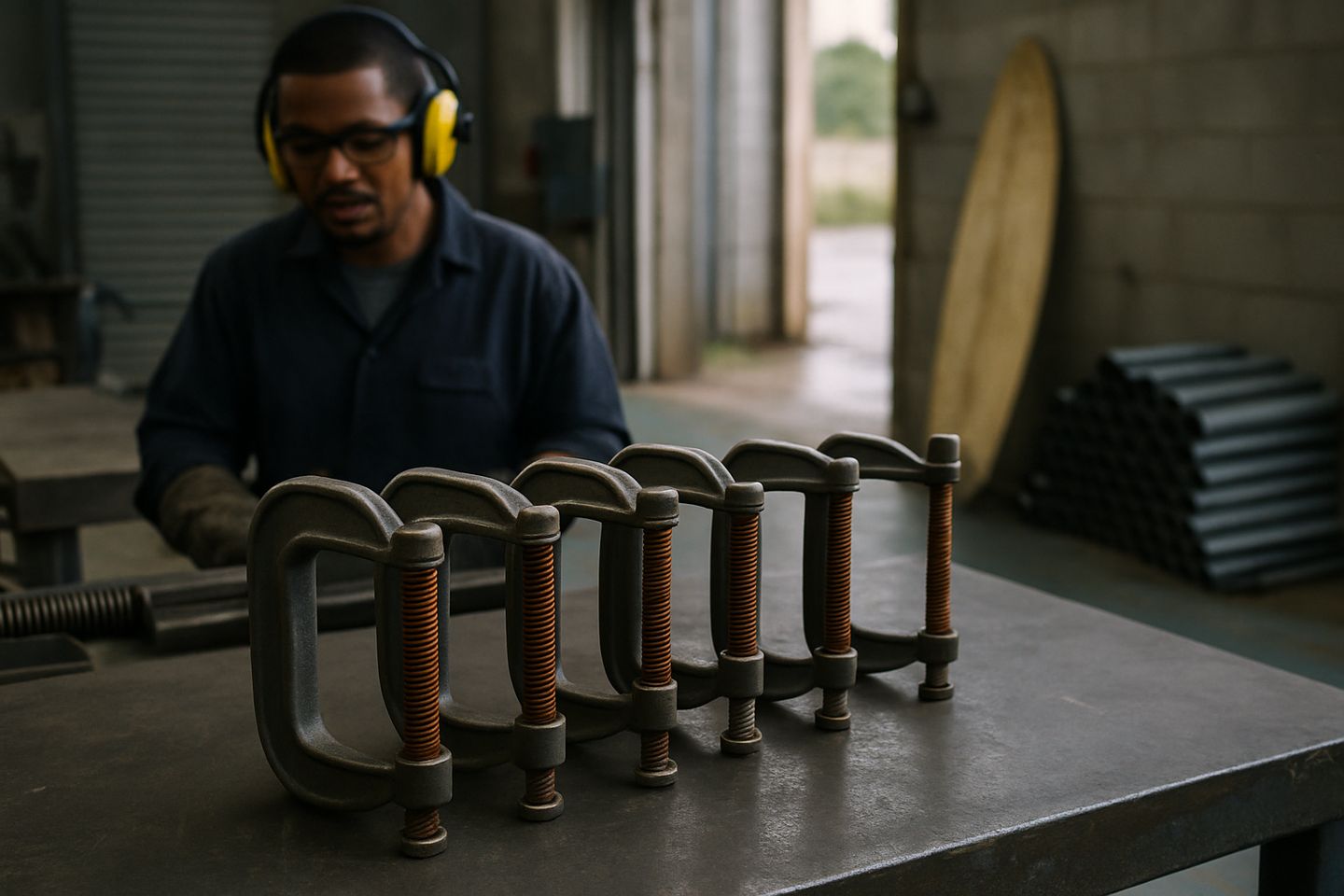
Coastal rust on clamps
Durban humidity and clamp care.
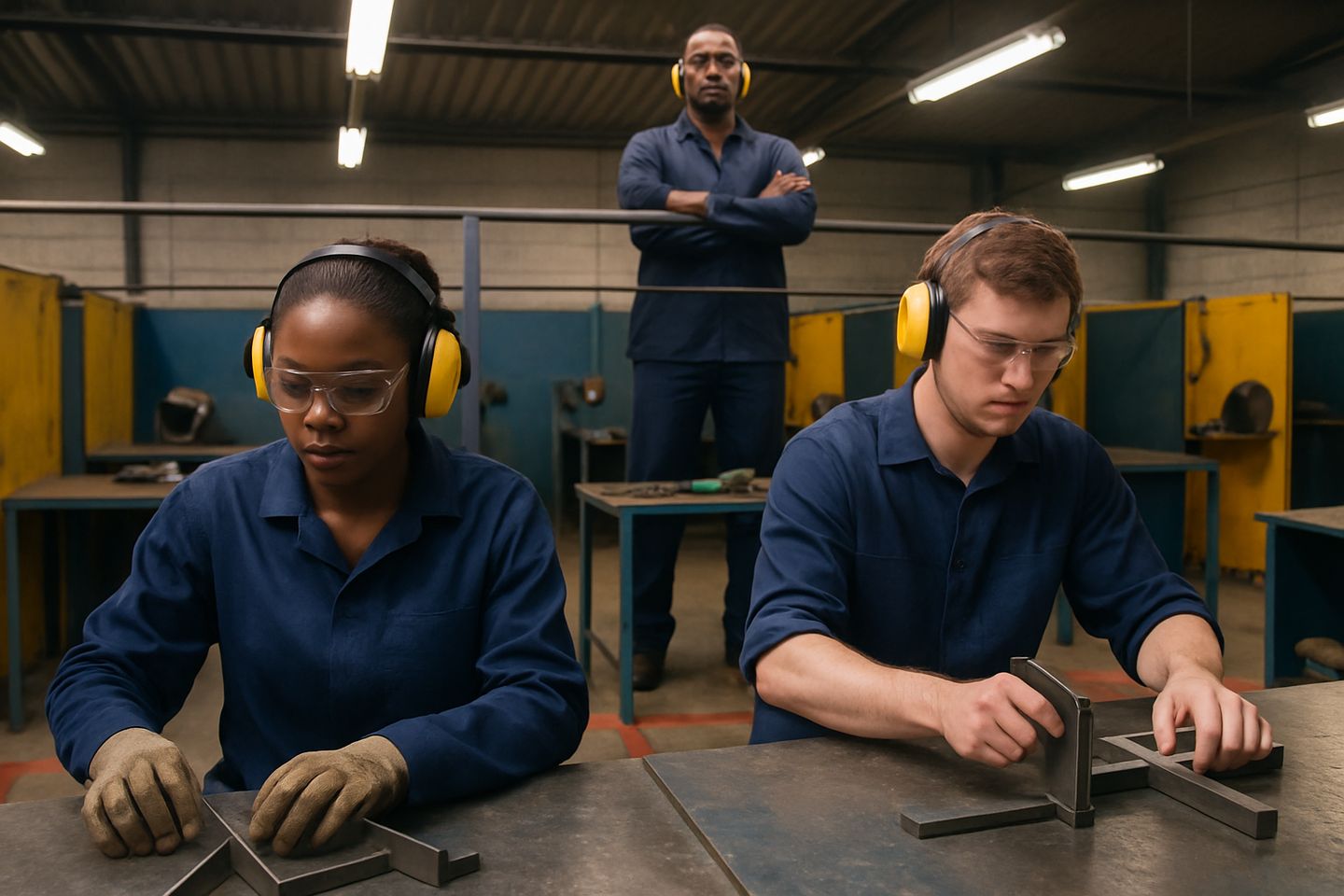
TVET bay sightlines
Trainer views that catch bad posture early.
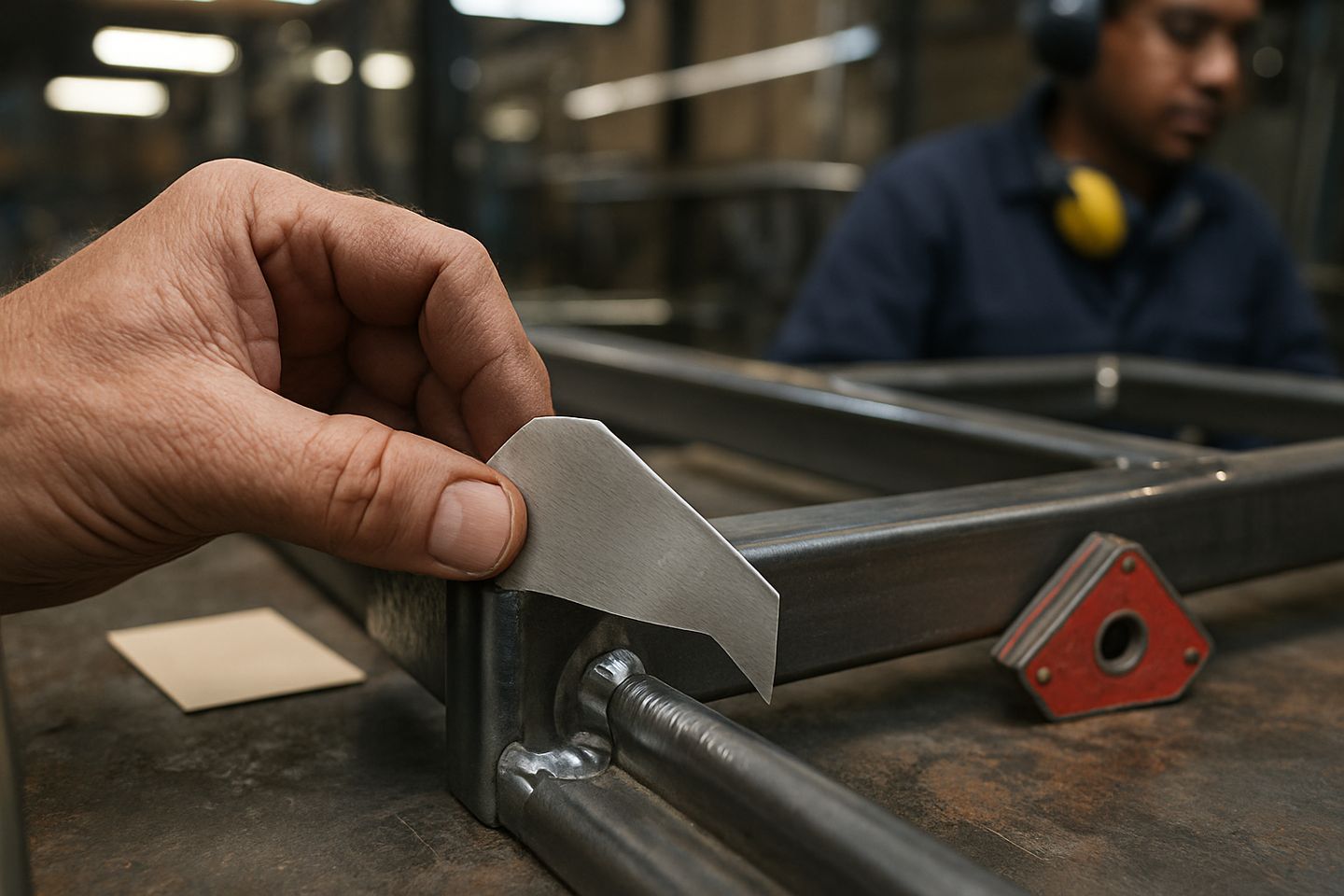
Fillet gauge routines
When gap gauges save a site install.
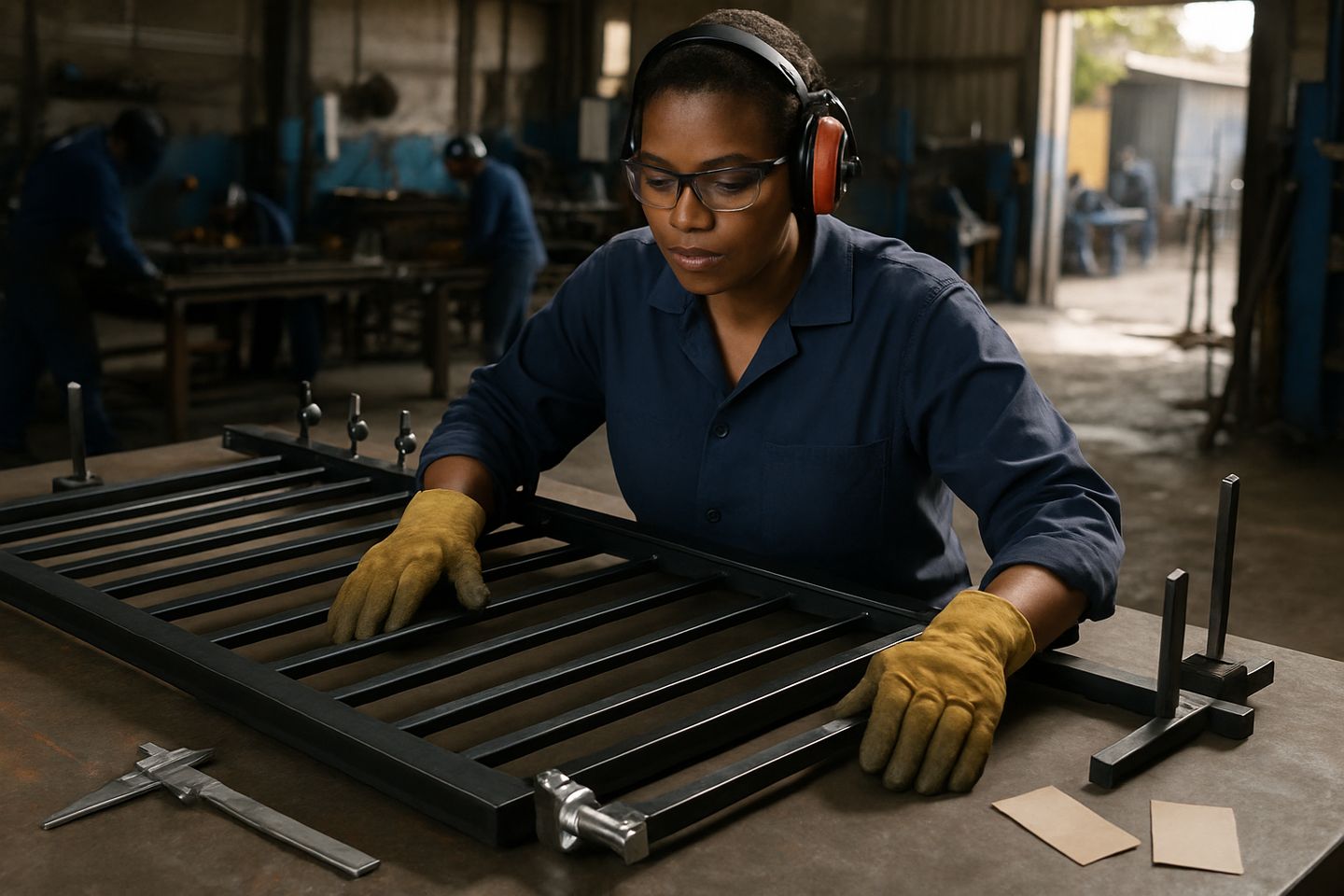
Estate gate fit-ups
Soft jaws and square checks for powder gates.
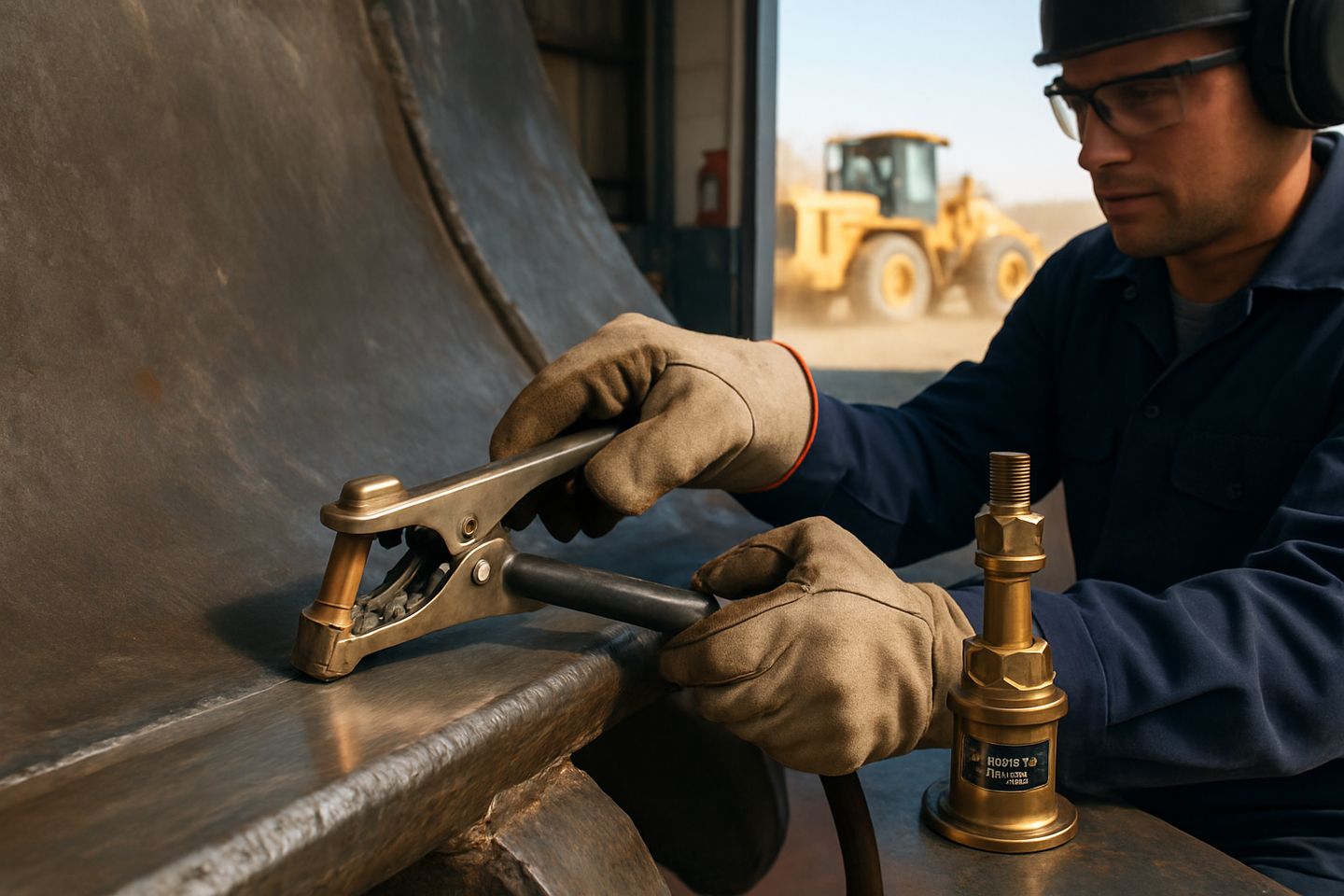
Mine bay earths
Heavy return paths for plant repairs.
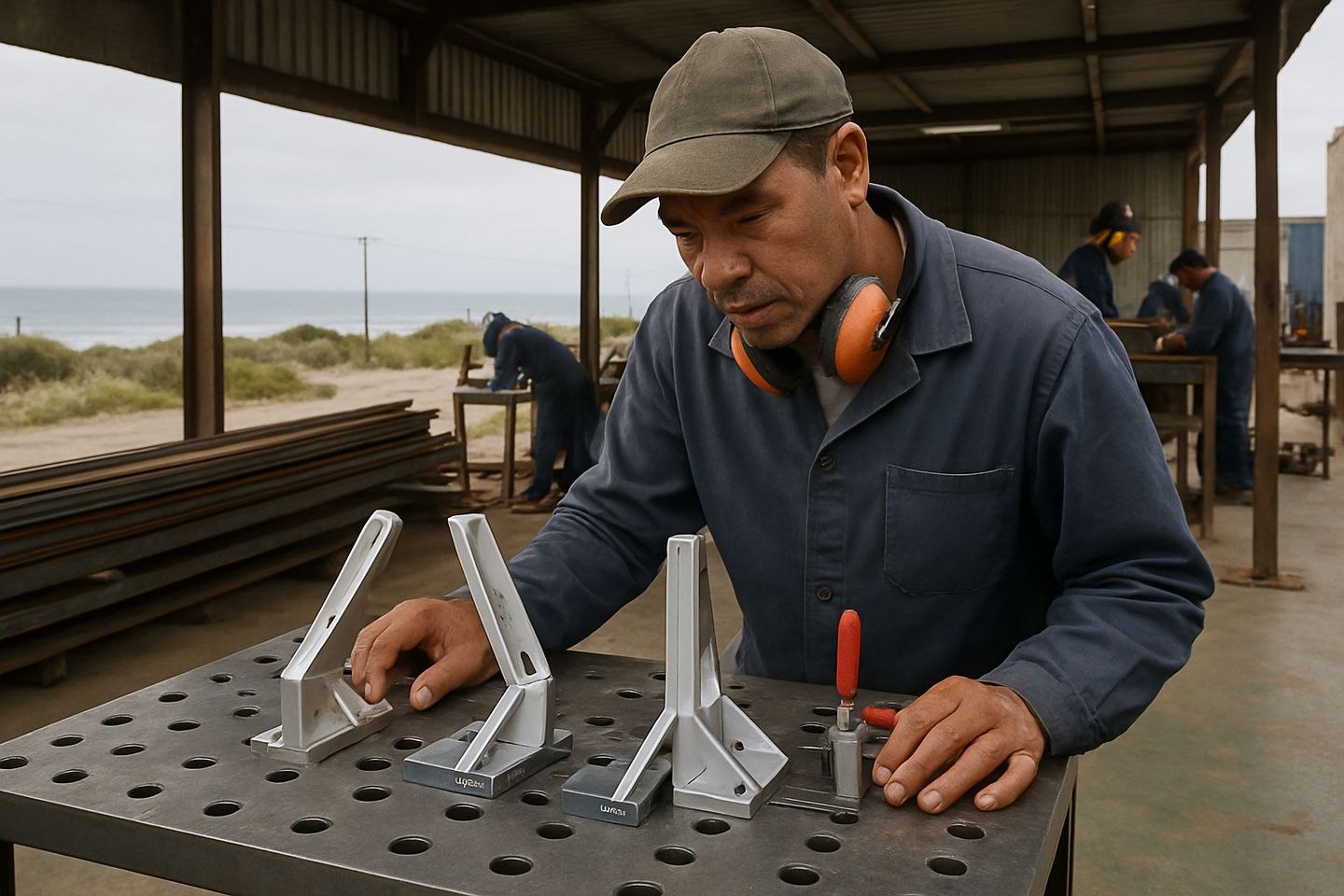
Solar rail jigs
Stops that keep mount feet repeatable.
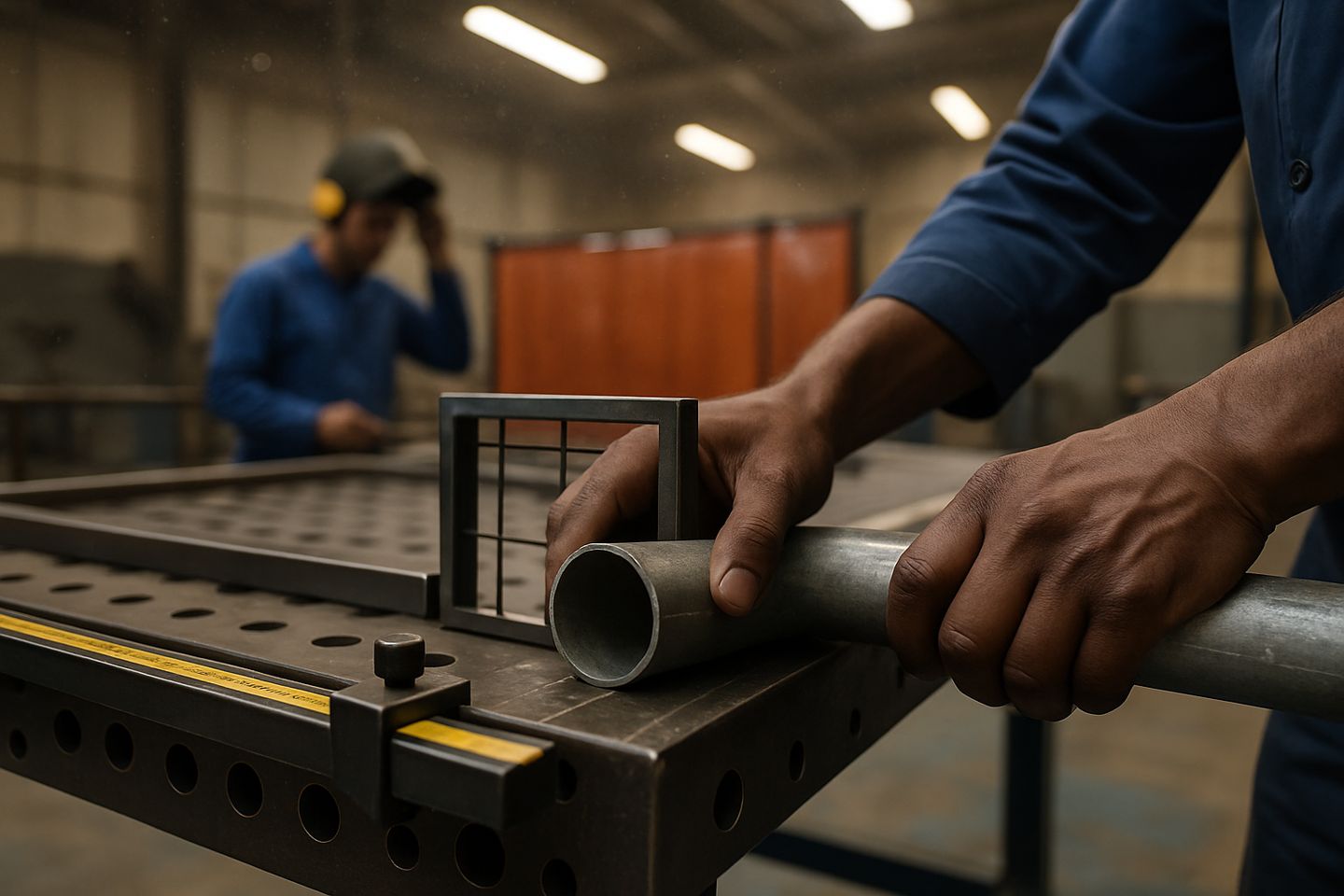
Scaffold tube marks
Layout rails for repair yards.
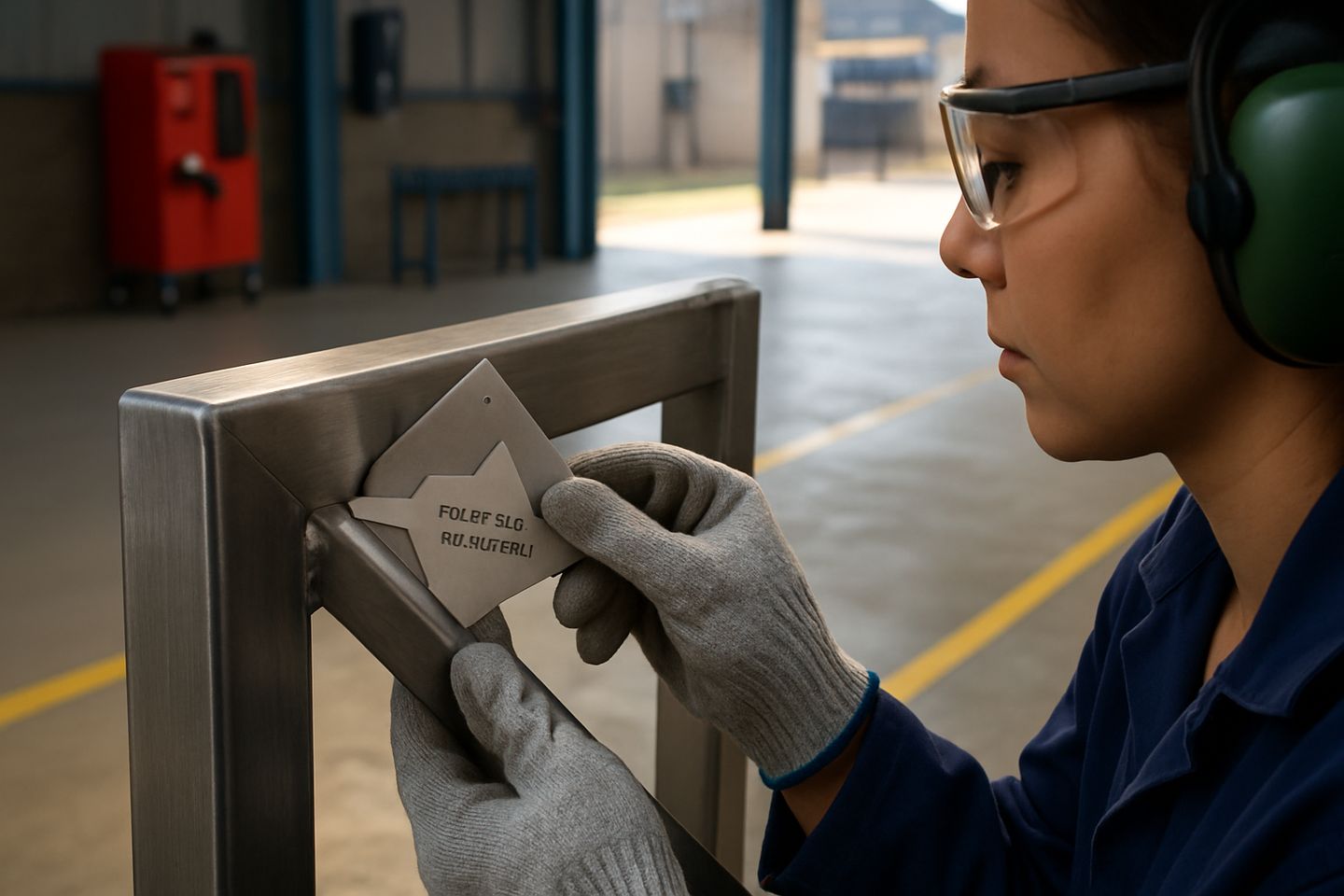
Stainless catering frames
Disc hygiene and consumable carts for food-grade fab.
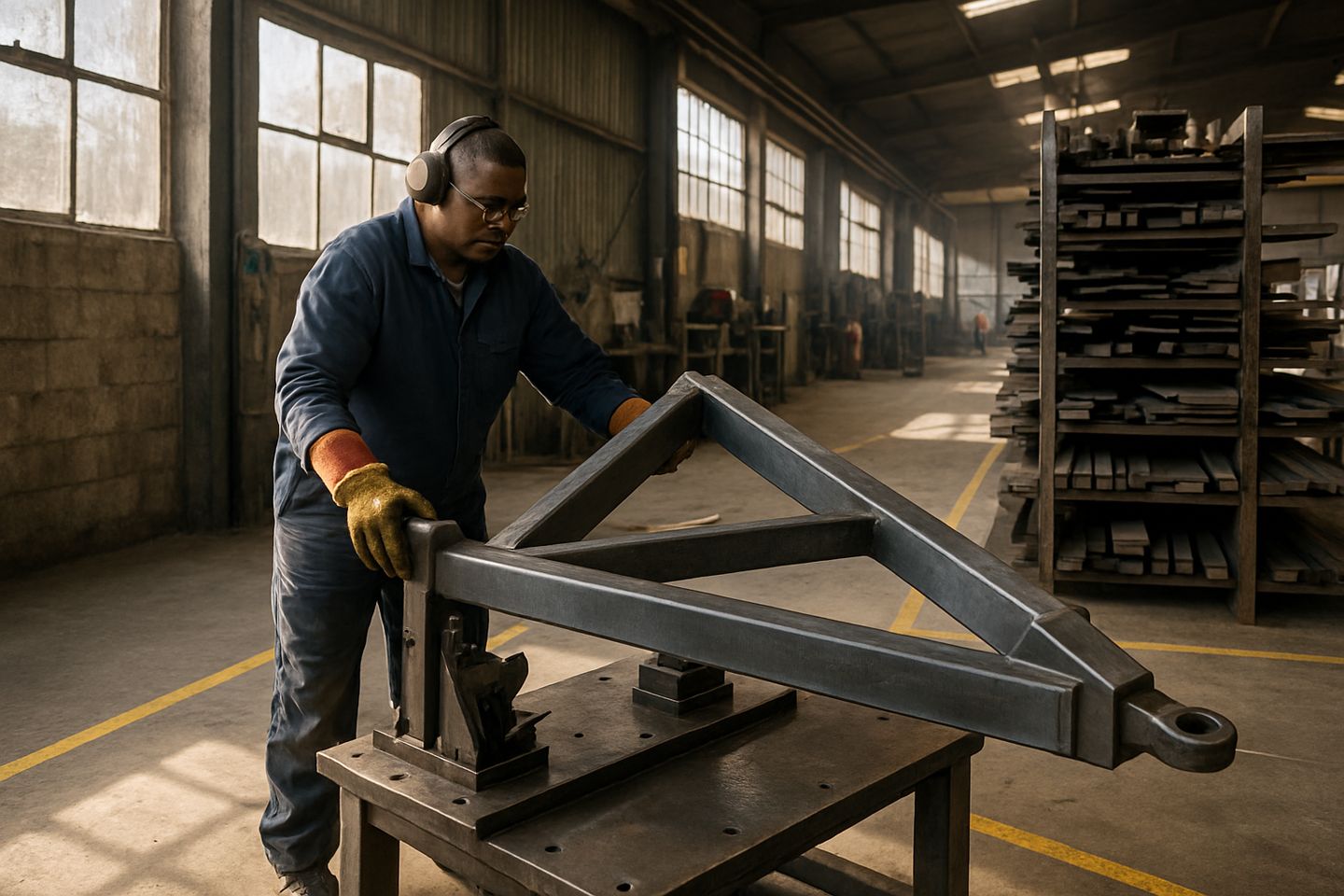
Trailer drawbar stops
JigKit stops that keep A-frames true.
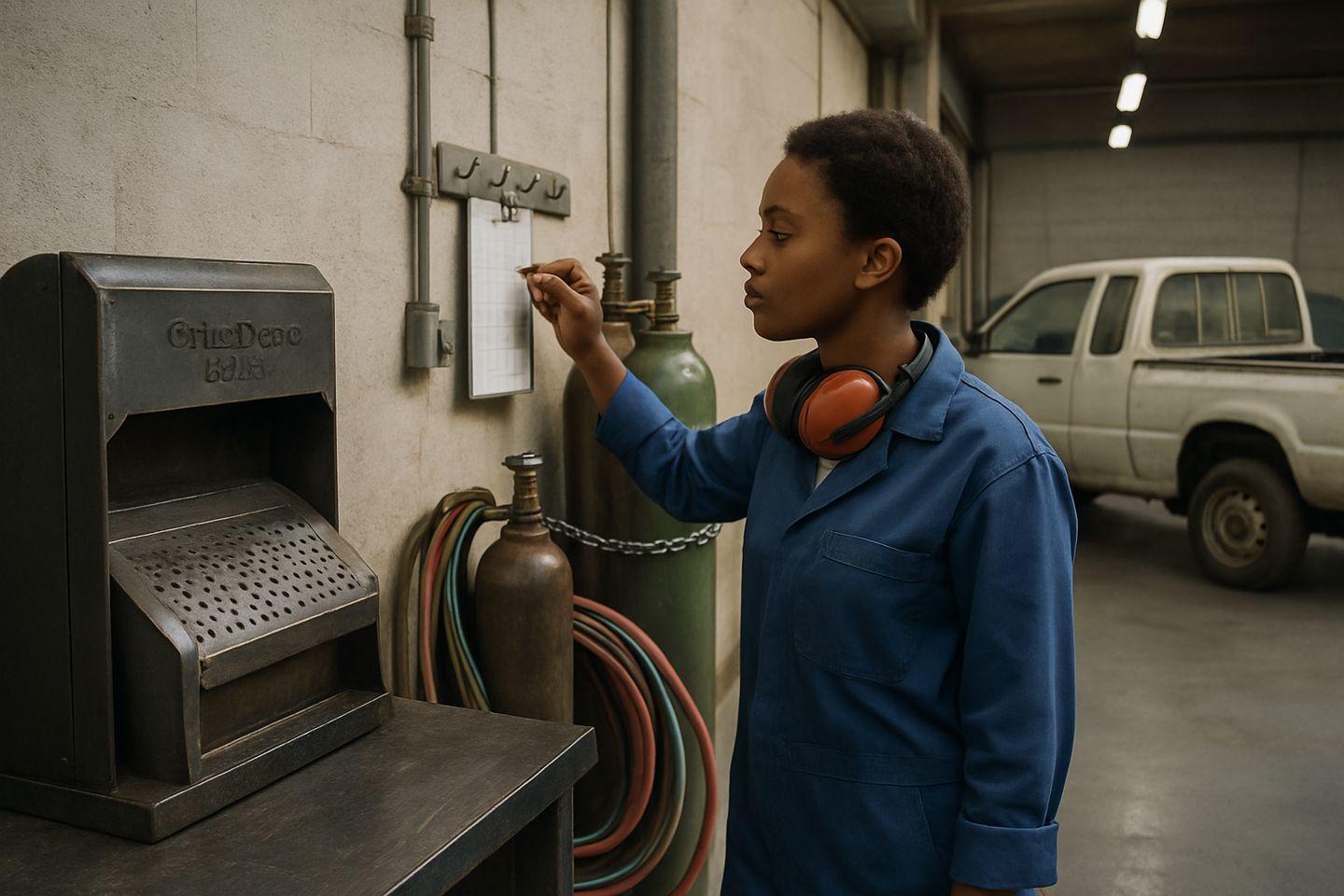
Municipal spark logs
GrindDeck checklists parks crews will sign.

Prototype before production
Measure first, weld second on R&D pieces.
Who writes the shopfloor notes and what they cover
Our shopfloor notes come from the people who run and set up real fabrication bays every week: Ms Thandi Nkosi on workshop flow, Mr Johan Botha on fixturing and assembly, Mr Pieter van Wyk on measuring and squaring, Ms Aisha Moodley on PPE and sparks, Mr Sipho Dlamini on training, and Ms Lerato Molefe from the showrooms. They cover what matters in South African fab yards: safe bench and earth setups, clamp tricks for painted and galvanised parts, quick metrology checks before the first weld, spark control on grind decks, and how to keep remnants usable.
Expect hands-on notes about day-to-day problems, from flashback arrestor checks on the TorchBay Station to the right way to tag scrap on a ScrapRack Lane. Our teams also flag how coastal corrosion creeps into Highveld-built benches, and why you always chain gas cylinders apart. These notes connect SANS and OHS rules with what crews actually do.
- Bench setups and fixturing
- Measuring habits that stick
- Earthing and return paths
- Sparks, PPE and housekeeping
- Remnants and stock tags
- Training bay layouts
- Coastal and power tips
How fab crews use the notes for toolbox talks and better bays
Foremen and trainers use these notes at shift handover, toolbox talks and bay audits. Each tip links a habit or fixture tweak to a safer or quicker job. For example, clamping earth returns to the workpiece close to the weld cuts arc noise and keeps SAIW inspectors happy. Tagging remnant lanes by thickness keeps the bookkeeper and the boilermaker on the same page.
On the bay, shopfloor notes keep crews thinking ahead. They remind fitters to check for flashback arrestors, grind skirts and cable lugs before starting up, and to use fillet gauges before sending a job for inspection. At training bays, apprentice welders see real-world habits backed by the right regulation, rather than only college theory.