Shopfloor note
Apprentice zones that teach
Apprentice zones on the shopfloor build real skills before any formal training starts. We show how practical layout and clear guidance make hands-on learning stick.
Why apprentice zones matter on a real shopfloor
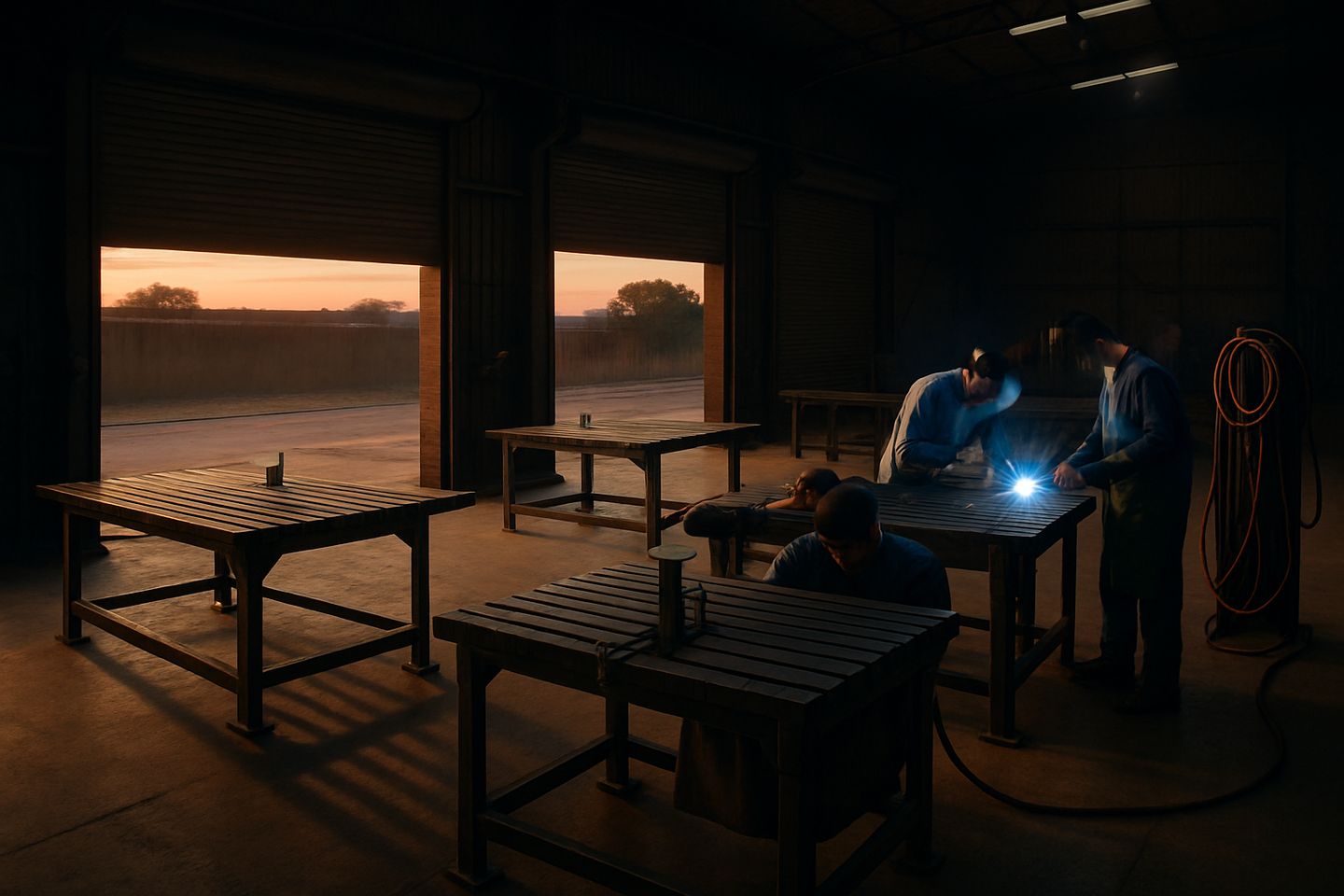
South African workshops face the same headache: new hands need to learn the basics quickly, but you can't pull everyone for a full lecture every time. When apprentice areas are marked out and fitted with the right kit, operators start learning as soon as they step in. They see where to weld, grind, measure and lay out their tools, rather than only from memory, but from clear marks on the floor and bay walls.
This keeps risky shortcuts away. Sparks don’t hit the measuring kit, gloves are at hand, and earth returns have a bolted point. With set apprentice zones, everyone gets the same habits from day one, no matter if it’s a busy municipal depot or a trailer yard in Germiston.
Step by step: setting up a teaching bay for apprentices
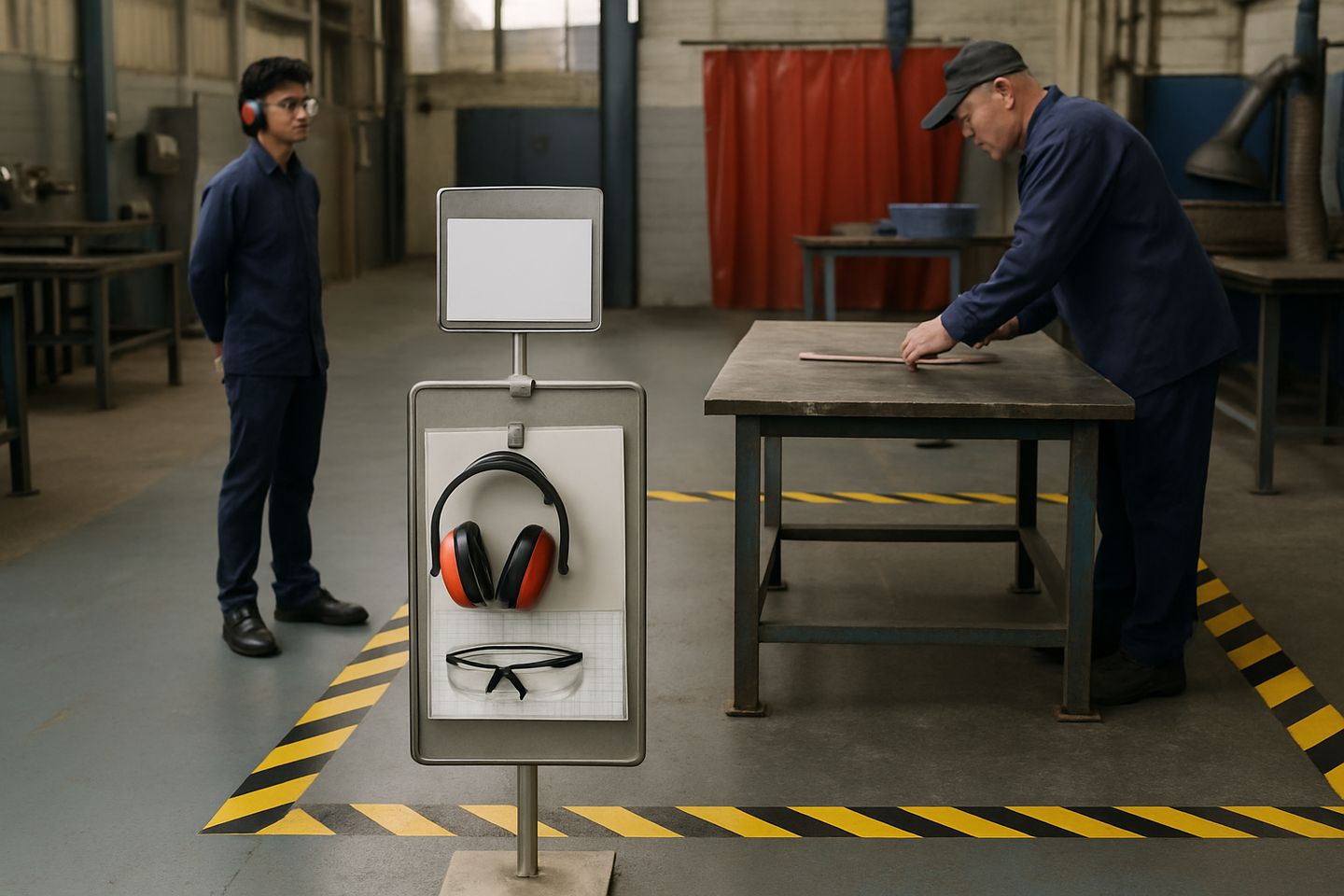
Start with a clean bay, free of clutter and old scrap. Mark out weld, grind and measure spots on the floor with paint or tape. Fit each with the right bay cards, a weld habit card near the torch, a grind PPE sign above the deck, a measuring log clipped to the table edge.
Equip the zone with basic gear from the TrainBay Starter: a bench or table, earth bond point, clear and shade visors, gloves, and a shift card. Place oxy-fuel or MIG kits near the marked weld spot and keep grinders over the spark skirt. Always hang visors and gloves where apprentices see them first thing.
Let apprentices set up and tidy their zone at the start and end of every shift. This builds the right habits and flags any missing gear before the day starts.
- Paint or tape off separate weld, grind and measure areas
- Mount bay cards and habit guides where eyes fall first
- Hang PPE and gloves on racks or hooks, not the floor
- Test earth bond clamps and return studs before welding
- Stack scrap and consumables in marked trays or lanes
Common mistakes and how to spot them early
One easy slip is letting spark and weld zones overlap with measuring or PPE. If the callipers come back with burn marks or gloves are missing, the zone layout is wrong. Another red flag is welding return cables running across the floor or clamped to a rusty bench frame instead of the part, which risks a hot joint or poor weld. See if apprentices are using the clamp rail or just balancing parts loose, that means the fixture cards are being ignored.
If you see grinders without guards or discs running hotter than rated, the bay needs a revisit. Missing habit cards, PPE lying underfoot, and hoses left draped are all signs the zone isn’t teaching as it should.
How to bring apprentice zones into toolbox talks
Make the apprentice zones part of your morning toolbox talk. Walk the crew through what each marked spot is for, point out the bay cards, and let a junior show how to set up the earth return or fit a spark skirt. Remind everyone that training isn’t just for the new hands, habits slip for seniors too.
If your floor is missing clear apprentice zones or needs advice on setting up, send us a message with your bay size, typical jobs, and what gear you have on hand. We can help tune your set-up so learning sticks from the first weld.