Shopfloor note
Mine bay earths
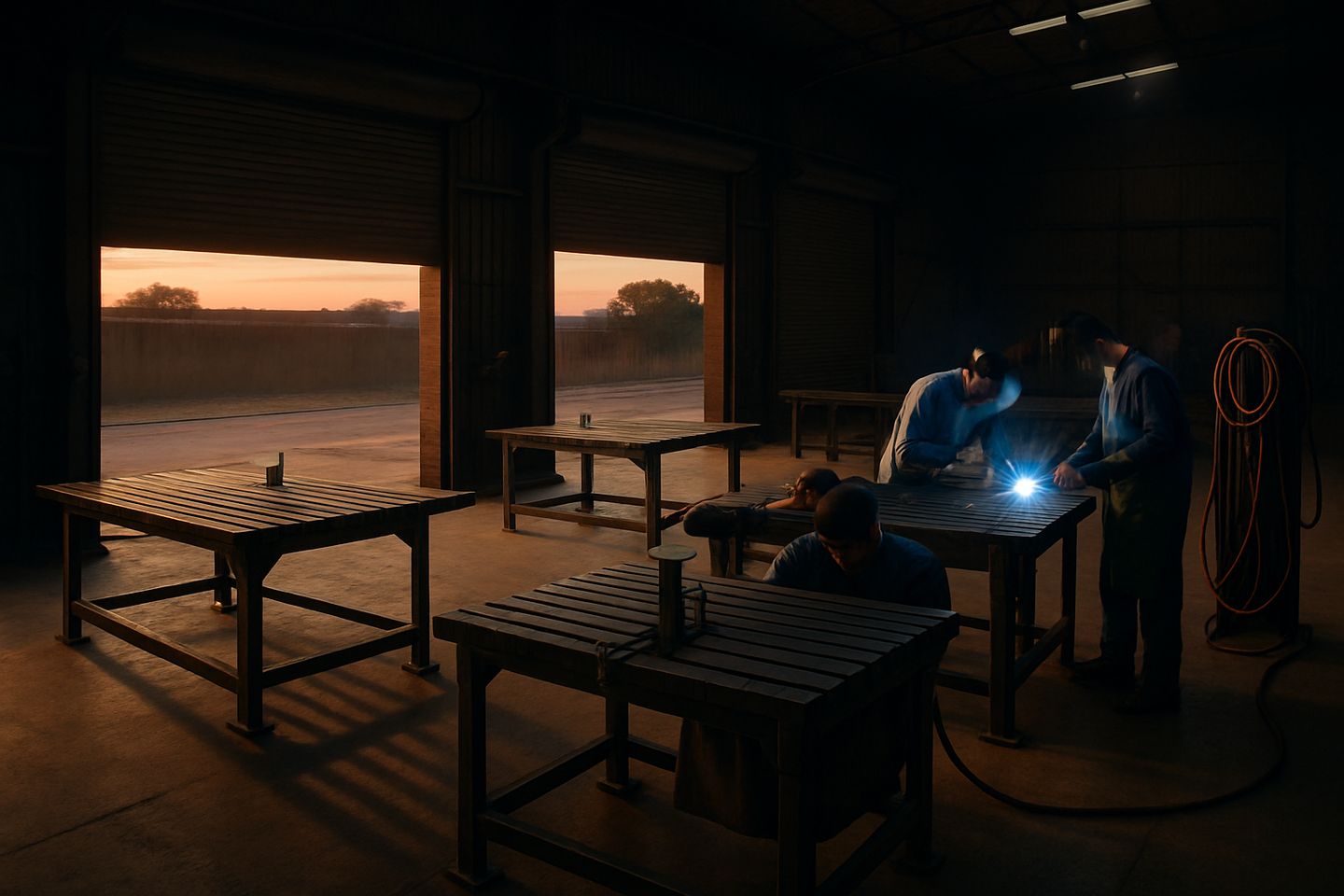
Mine bays need earths that do the job right every shift, especially when you're working on plant repairs or mobile gear in tough conditions.
Why mine bay earths matter every shift
When you’re repairing plant and mobile kit, the welding earth is more than routine, it’s your insurance against failed welds, burnt bearings or electrical faults that cost hours. A weak or stray return path is usually only found after the first arc is struck, and you’ll waste time with welds that won’t run clean, or even damage sensitive machine parts.
In a mine bay, earths also keep inspectors and safety reps happy. SANS 2001-CS1 structural steelwork jobs, field fixes on buckets, or workshop repairs on a trailer, every one needs a safe, direct earth. Planning earth routes properly is what keeps return current away from controls, pivots, chains and bearings. That’s the difference between a tick and a shutdown.
Setting up a clean earth route in your bay
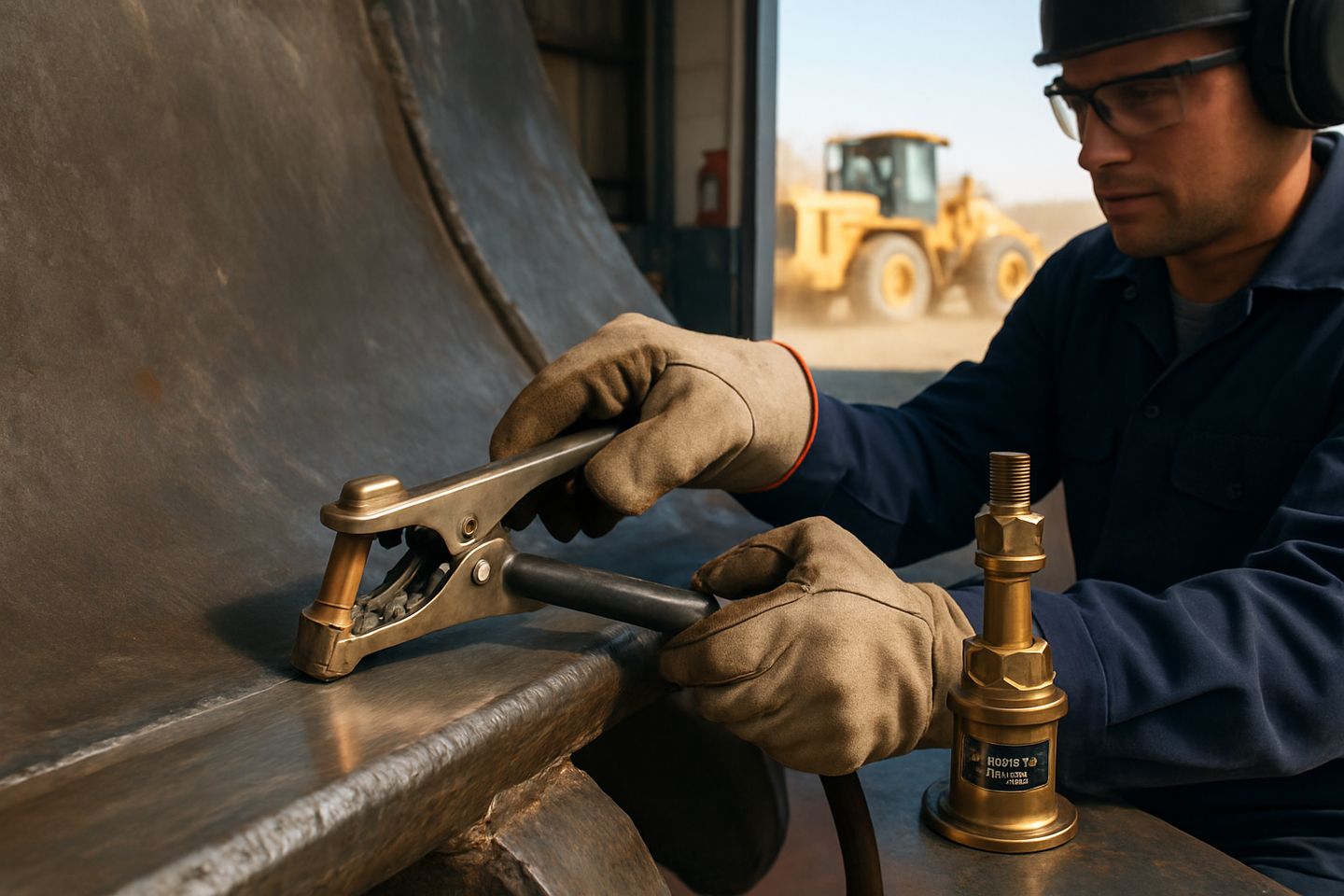
Start by checking your return cable. Look for heat marks at the clamp and lugs, and run your hand along the sheath for nicks or melted sections. Attach the clamp as close as possible to the weld area, onto clean, bright metal. For big jobs like truck beds or frames, move the earth as you shift position.
If you’re using our BenchMaster Pro, use the M10 earth studs to bolt down your earth cable for smaller work clamped to the bench top. On large assemblies, always clamp directly to the part itself, not a nearby frame or anything chained to the structure. The EarthBond Kit gives you the right clamps and bay tags to control who’s working where and track inspections.
- Inspect earth clamps and cables daily, before each shift.
- Clean contact points with a wire brush or flap disc.
- Never use chains, hinges or bench frames as return paths.
- Tag earth points for bay and operator checks.
- Keep grinding and welding cables separate to avoid snags.
Common mistakes and what to watch for
The most common slip is clamping the return cable somewhere convenient, like a chain hook, axle or bench frame. This sends current through bearings or pivots, which can pit and ruin them. You might only notice after someone tries to move the plant and finds a locked up wheel or hot bearing.
Another mistake is leaving earths on painted or rusted metal, which adds resistance and gives poor welds. A worn out clamp or a cable with heat-softened lugs is also a sign that the return path is running too hot or carrying more current than it should. Don't forget to check earths after you shift a part or wheel in a new job.
Bringing earth checks into toolbox talks and training
Earth route checks belong in every toolbox talk, especially at the start of a shift or when swapping bay jobs. Run through the clamp position, cable condition, and where the return is running, rather than only where the welder is pointing.
Bring the team in for a hands-on check during training days. Use a fillet weld gauge to inspect recent welds and show what a poor earth looks like in real life. If your bay setup needs better tagging or you’re losing time to earth faults, send us a message through our contact form. We’ll help you get the right fixtures or demo the EarthBond Kit in action.