Shopfloor note
Power-cut bay queues
When the power drops, every bay and tool has a queue. Here’s how we keep fabrication moving and keep the floor safe when the power comes back.
Why bay queues matter after a power cut
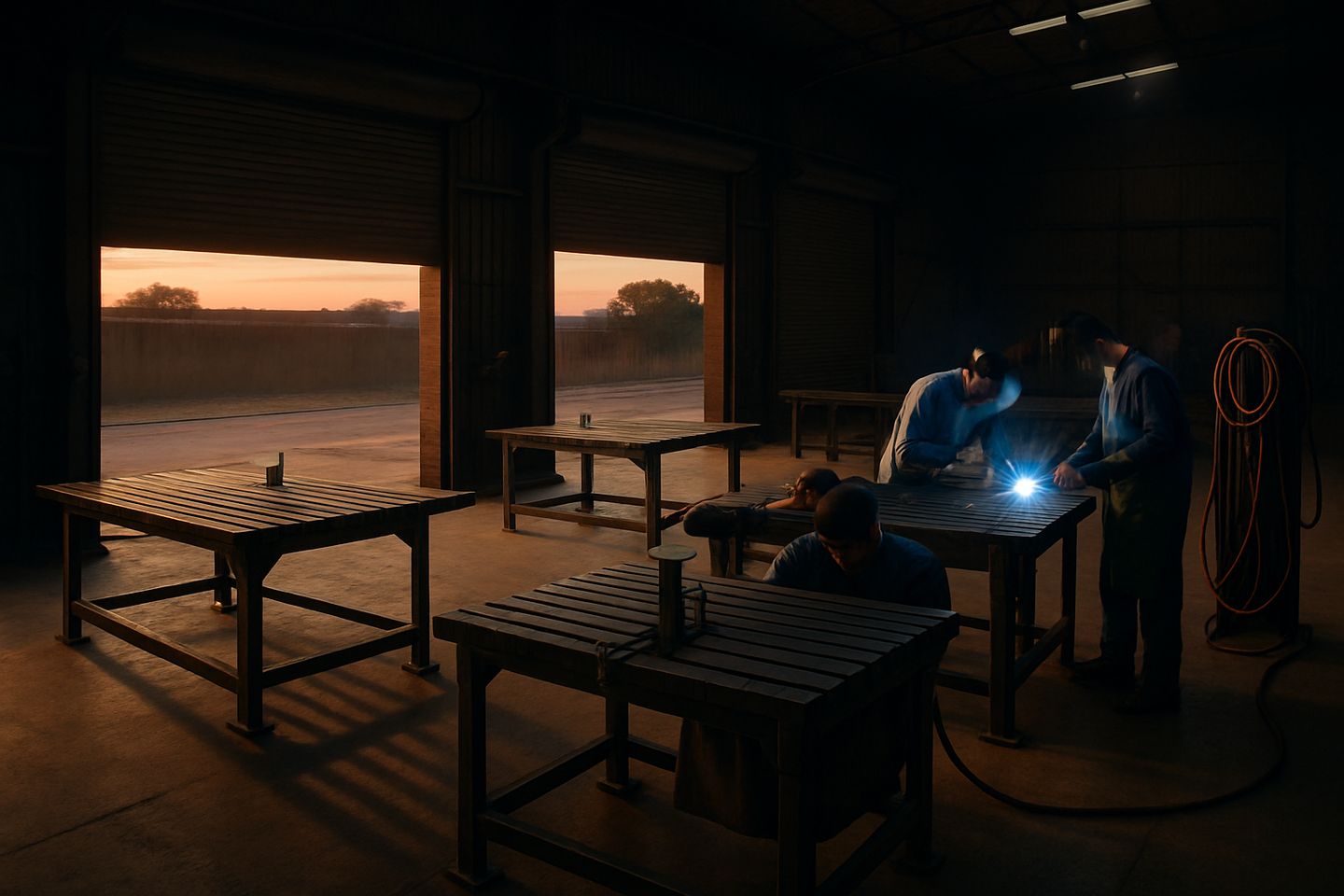
Power interruptions turn a smooth day into a rush. On our floor, when the lights go out and grinders and welders die mid-job, everyone lines up at the same bays the moment power returns. It goes beyond lost time. Suddenly you have six people waiting, crowding around one BenchMaster Pro, trying to claim first spot.
This chaos can mean crossed leads, missed PPE checks, or a tangle of clamps and offcuts. Safe order matters. If we let the bay queue slip, jobs get rushed, tools get dropped, and safety rules take a back seat. We need a clear system, rather than only a scramble after every outage, so we get the most out of every hour when the power is on.
How we queue and organise tasks step by step
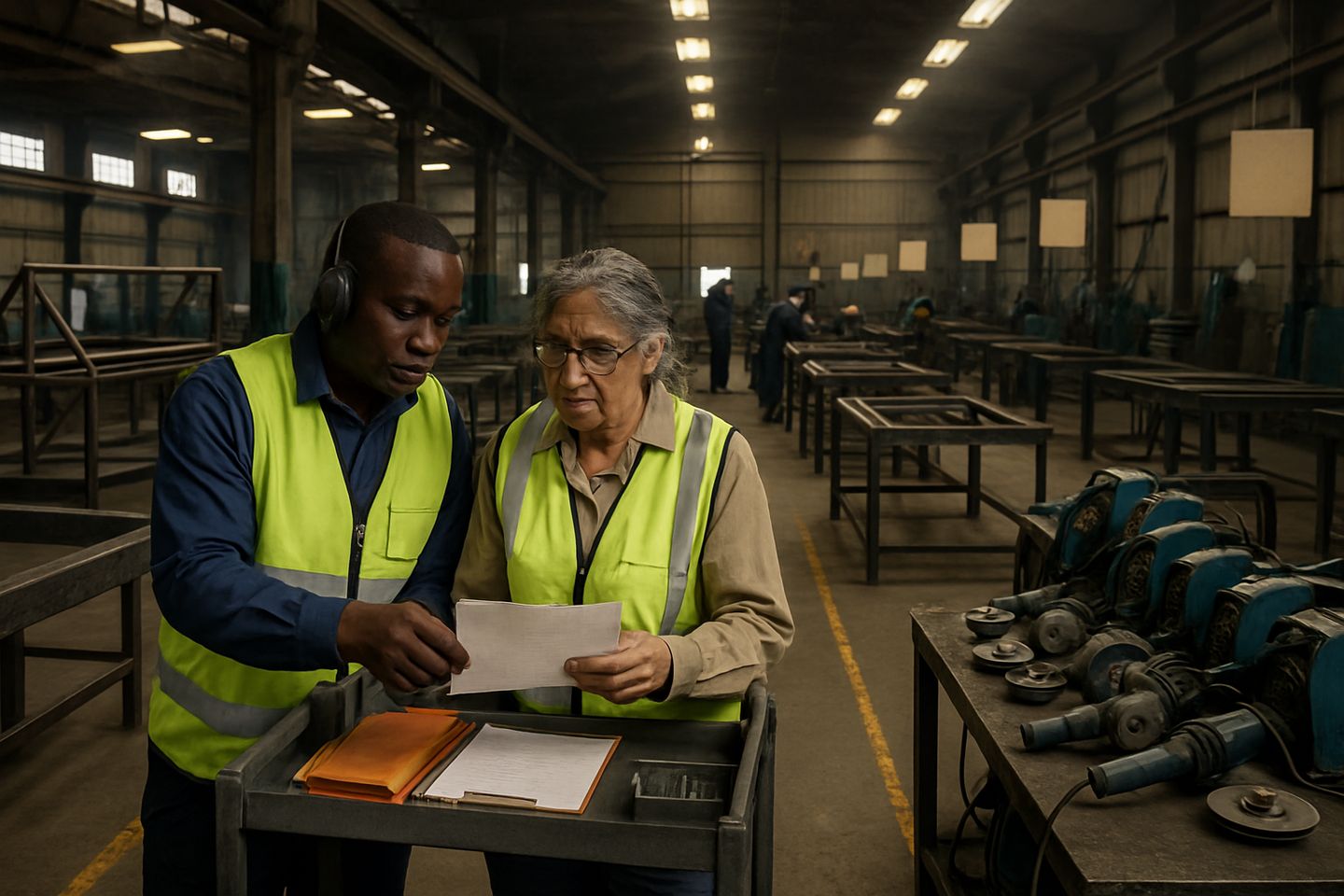
We use a bay queue board next to each main work zone. When the power trips, everyone writes their job tag and time on the board, in the order they arrived. No skipping. The next operator sets up, while the first one gets busy the moment tools light up again.
We also split low-power jobs from high-power ones: marking, layout, and fitting can roll ahead even in a blackout, so those teams stay out of the grinder and welder queue. We keep consumables, PPE, and ClampRail gear prepped before any outage, so when it’s go time, nobody is running for lost gloves or a missing earth bond clamp.
- Write job tags on the queue board as soon as the power drops
- Prep all consumables and PPE during downtime
- Assign one person to each high-power bay to avoid crowding
- Separate layout and marking jobs from welding and grinding
Real mistakes and how to spot them in the rush
The most common slip is doubling up on bays: two teams try to jump onto the same BenchMaster Pro thinking it’s free. You get crossed cables, missed earthed returns, or a clamp left loose. Sometimes someone forgets to check the grinder guard after a rush restart, because its easy to assume the last person left it safe. Always check guard tightness and disc rating before spinning up.
Another problem is not clearing offcuts and scrap from the last job. A bench full of leftover steel slows everyone down and can hide a spanner or a sharp edge. Before any restart, inspect the bay for stray offcuts, and make sure earth return clamps go directly to bright clean steel on the job, not onto a rusty scrap or bench frame.
How to use this for toolbox talks or send us a message
Bring the queue board system into your next toolbox talk, and walk everyone through the steps. Make sure each person knows who writes the tag, who sets up consumables, and who checks earth and PPE. Use a real outage drill if you can.
If you are setting up a new bay or want shopfloor cards for your own team, send us a message through our contact form. We can advise on queue boards, layout tweaks, and safe restart routines that fit your floor.