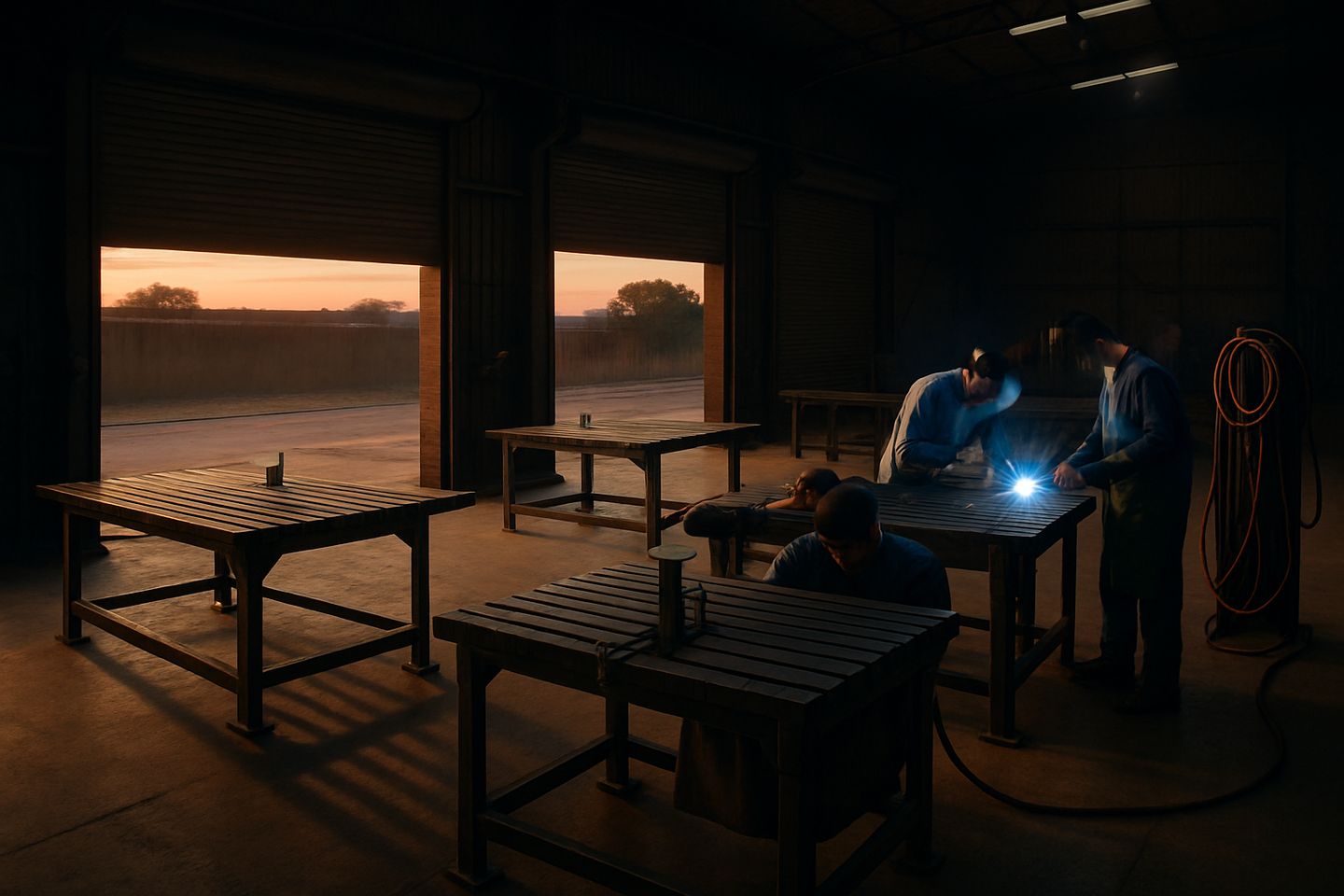
Shopfloor note
Stainless catering frames
On a food-grade fab floor, stainless catering frames are more than supports, they set the standard for weld hygiene, safe storage and quick night shift checks.
Why stainless frames matter in food-grade work
In every South African catering or commercial kitchen build, stainless frames carry more than their own weight. They keep hygiene up to spec, and they protect tools, consumables or trays from cross-contamination. The reality is, even the best fab bay goes downhill fast without clear places for discs, tips and templates, especially with stainless where any rust or food residue left on a frame can spoil a weld or get you a failed site hygiene check.
On a real shopfloor, a catering frame is not only a rack or dolly. It’s a barrier against mess building up after one rushed shift, and it helps night shift teams get straight to work. Bakery, butchery or large-volume kitchens rely on quick wash-downs and clear storage zones, so you don’t want a pile-up of used discs or spilled granules where food will move next.
Practical steps for setting up stainless frames
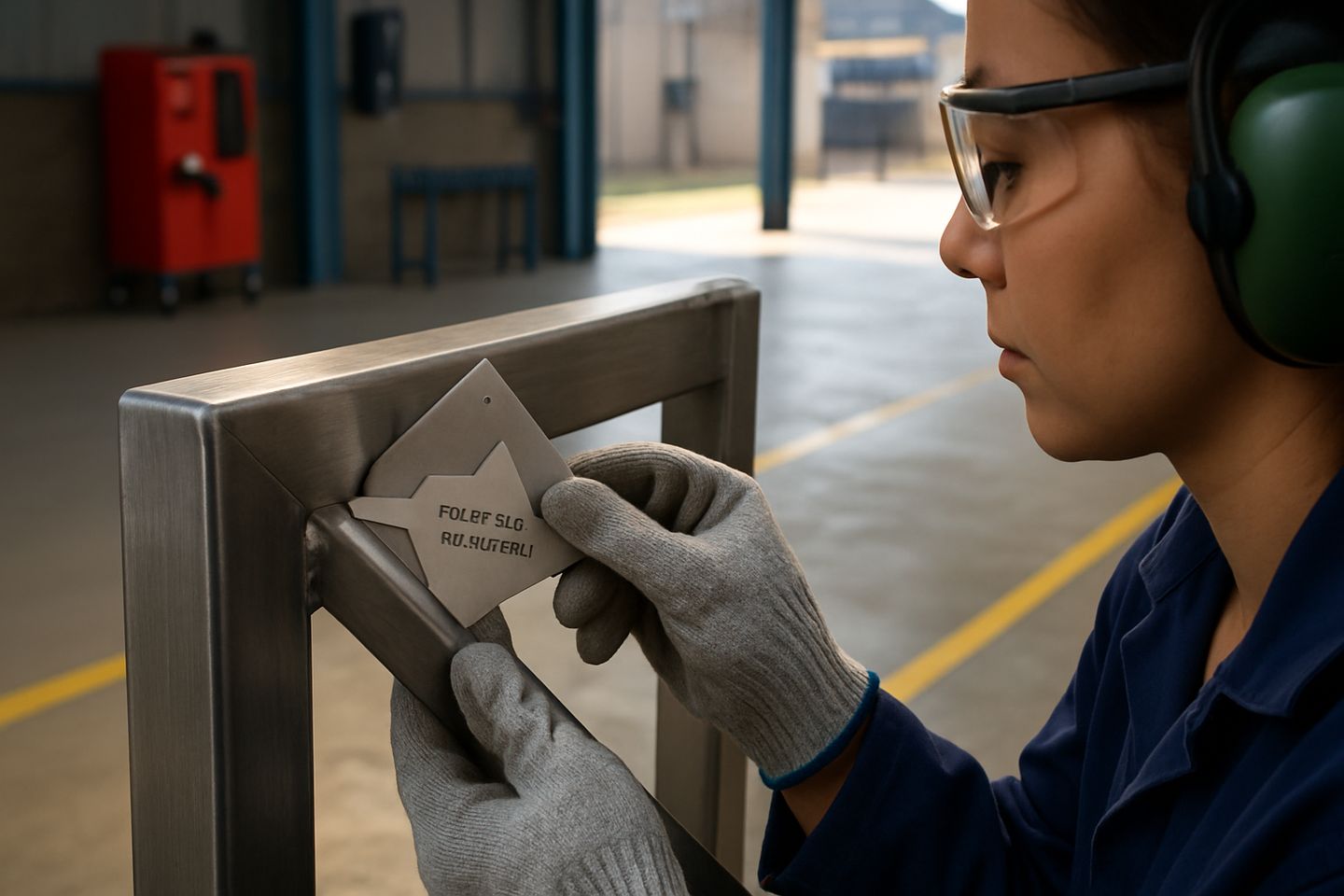
First, check each frame for weld quality, look for smooth fillets and no spatter, especially at corners and joints. Fit the frame with clear tags or colour coding for different materials (for example, keep raw trays off finished goods racks). Use our Consumable Cart with lockable drawers to store discs and tips off the floor, and keep a visible kanban card set so everyone can track which items need restocking.
Set up a cleaning zone close to your catering frames, with PPE like gloves and visors on a dedicated rack. Place ScrapRack Lane nearby for offcut and waste sorting, but keep food-contact frames separate from scrap zones. Make sure earth bonds are never routed through the frame if it will touch food, clamp directly to the workpiece instead.
- Inspect all welds and corners for porosity
- Label racks for raw vs finished goods
- Store consumables above floor level
- Position cleaning PPE near frames
- Keep food-contact and scrap zones apart
Mistakes we see and how to avoid them
The biggest slip is using a frame that’s been welded with the wrong filler or picking up rust stains from a shared steel bench. Even forgetting to swap gloves between cleaning and welding can leave marks or residue. Watch out for missing earth bond plates or overloading a consumable cart, especially where night teams double stack discs or mix in carbon steel offcuts.
Another common issue is letting cables or hoses drape over catering frames. This doesn’t just trip up the cleaning crew, it can cause contamination and slow down shift changeovers. Always double check that all tags and labels are kept up to date, if the colour fades or a tag falls off, it can lead to confusion for the next shift.
Bringing stainless frame standards into toolbox talks
A quick walk-through on stainless frame use is worth building into your week’s first toolbox talk, especially if you’re onboarding new welders or cleaning staff. Show them how to spot good welds, where to store consumables, and how to use PPE racks and cleaning stations. Remind them to keep consumables and food-contact zones separate, and to update kanban cards or labels as soon as stock drops.
If you’re not sure about your current frame layout, or want feedback on shopfloor zoning, send us a message through our contact form. We’ve seen a lot of Joburg and Durban floors, and we can help you set up frames, racks and safety points that pass site checks and handle a busy festive season.