Shopfloor note
TVET bay sightlines
Clear TVET bay sightlines help trainers catch unsafe habits and posture problems fast, before they turn into injuries or bad routines. Quick checks save time and boost learning.
Why sightlines matter on our training floor
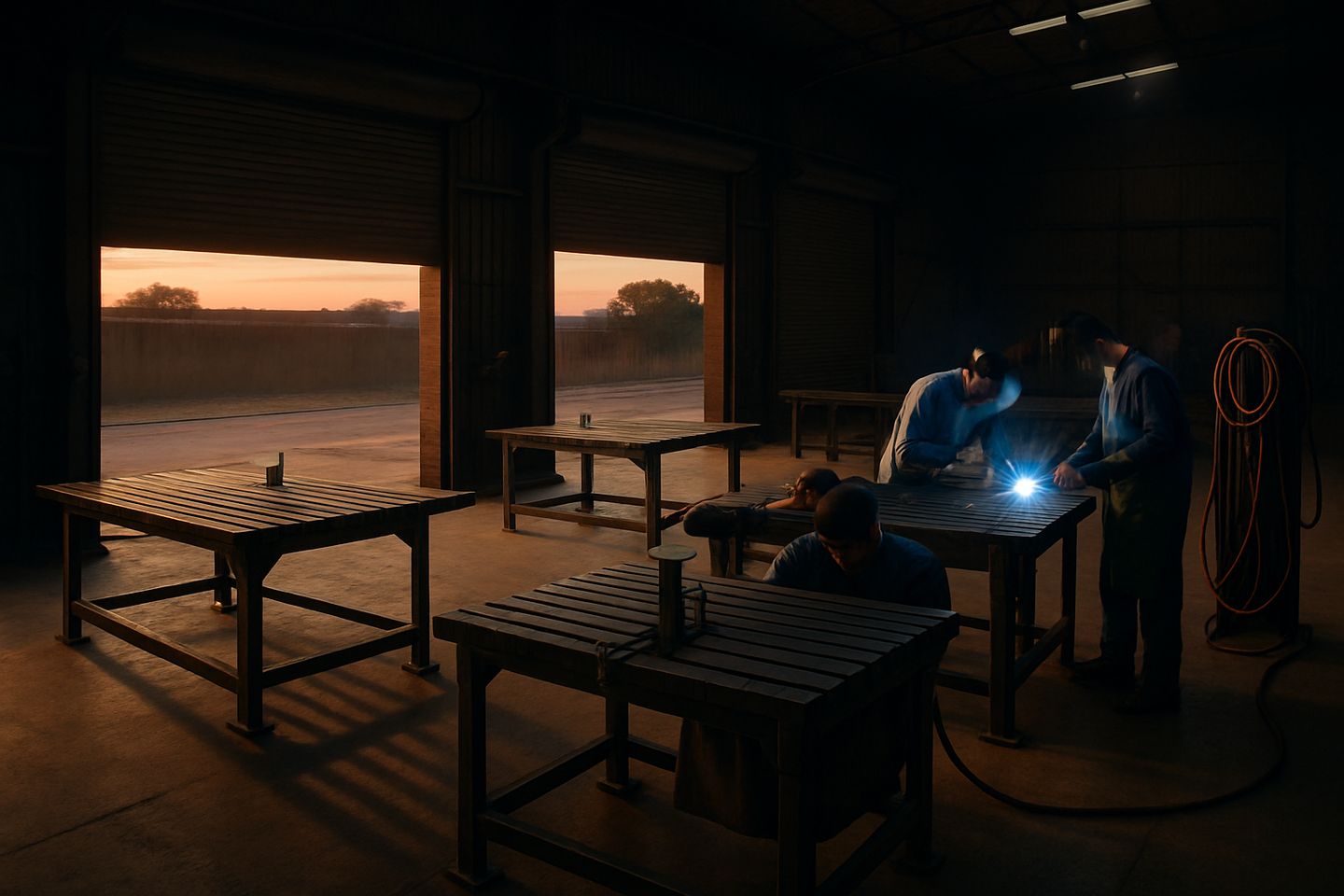
When I walk a TVET training bay, I want to spot the risky habits right at the start. If a student is welding with their face too close or lifting wrongly, you need to see it before it becomes their normal way of working. In a busy workshop, poor sightlines let these habits slip through until someone gets hurt or the quality control picks it up late.
A bay with blocked views, racks, trolleys, or even columns in the wrong place, turns a five-minute check into a ten-minute hunt. You lose time, and students lose feedback. With rolling intake and term schedules, we can't afford to waste a lesson fixing what we could have seen in the first few minutes.
Setting up clear sightlines in a TVET bay
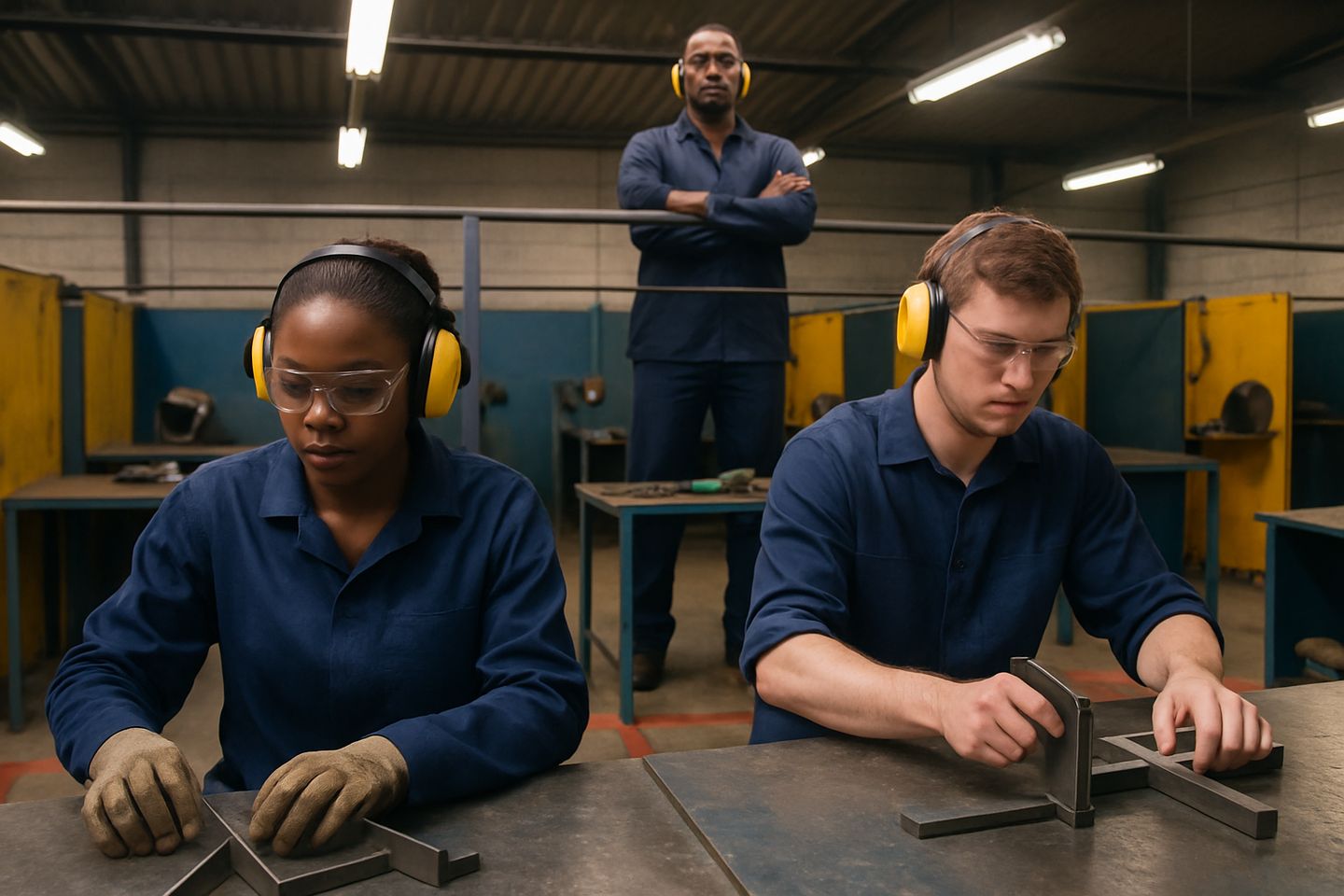
First, stand where the trainer usually works. Look for any blind spots, behind stacked scrap bins, tall carts, or large tools. Move these out or lower them if possible. Plan the PPE and consumable stations so they do not block your view of the weld zone or the main walkway.
Keep workpieces and benches parallel to each other, not angled off at random. A straight row makes it easier to scan the whole class at a glance. Use open sight rails, like in the TrainBay Starter, so posture and torch angle are visible from the main aisle. Mark safe zones on the floor if you need to keep foot traffic clear.
- Clear walkways and main viewing spots
- Keep racks and carts low or to the sides
- Parallel benches, not scattered angles
- Open sight rails for layout and weld zones
- Mark PPE and fire points where they are visible
Mistakes and easy fixes to watch for
A common mistake is letting a storage rack or a gas cage creep forward over time, slowly closing off your view. Another is setting up benches in a V shape to fit more people, but now you can only see half the group properly. If you find yourself walking around a cart twice to check one weld, the layout is working against you.
Check regularly that spark screens and grinder decks are not moved out of line. If you only find out about a poor sightline when someone gets a burn or arc eye, that’s already too late. The other thing is, if there’s always clutter against the main aisle, students will start using the wrong walkways or standing in unsafe places.
How to use this in toolbox talks and when to contact us
Bring up sightlines in your first toolbox talk for a new intake. Show everyone where you stand and what you need to see. Point out how clear paths and open zones are about safety, rather than only tidiness. Reinforce that good layout makes it easier for you to step in fast if you spot a problem.
If you are setting up a new bay, or you keep having blind spots no matter how you move the gear, send us a message through our contact form. We can show you layout options and gear that help keep sightlines open, especially for hands-on training and practical assessments.