
Westville
Westville marine brackets
A Westville workshop needed marine brackets that stand up to coastal humidity and tight shopfloor shifts. We fitted out their bay for accurate, repeatable work in shared conditions.
A busy coastal yard with marine deadlines
The Westville team runs a mix of structural and repair jobs, but marine brackets are their bread and butter. With the bay close to the Durban port, the crew faces both tight timelines and a humidity level that pushes every steel surface to rust if left untreated. Multiple shifts and a shared space mean tools and fixtures must hold up to frequent use, and layout errors can delay a job for days.
They came to us looking for a way to keep bracket fabrication sharp, especially with new operators coming in and out. Key pain points were inconsistent bracket fit, clamp screws rusting overnight, and earth returns set up in a rush. Anything that wasted time or risked a failed fit-up had to be addressed.
How we fitted the bay for marine bracket work
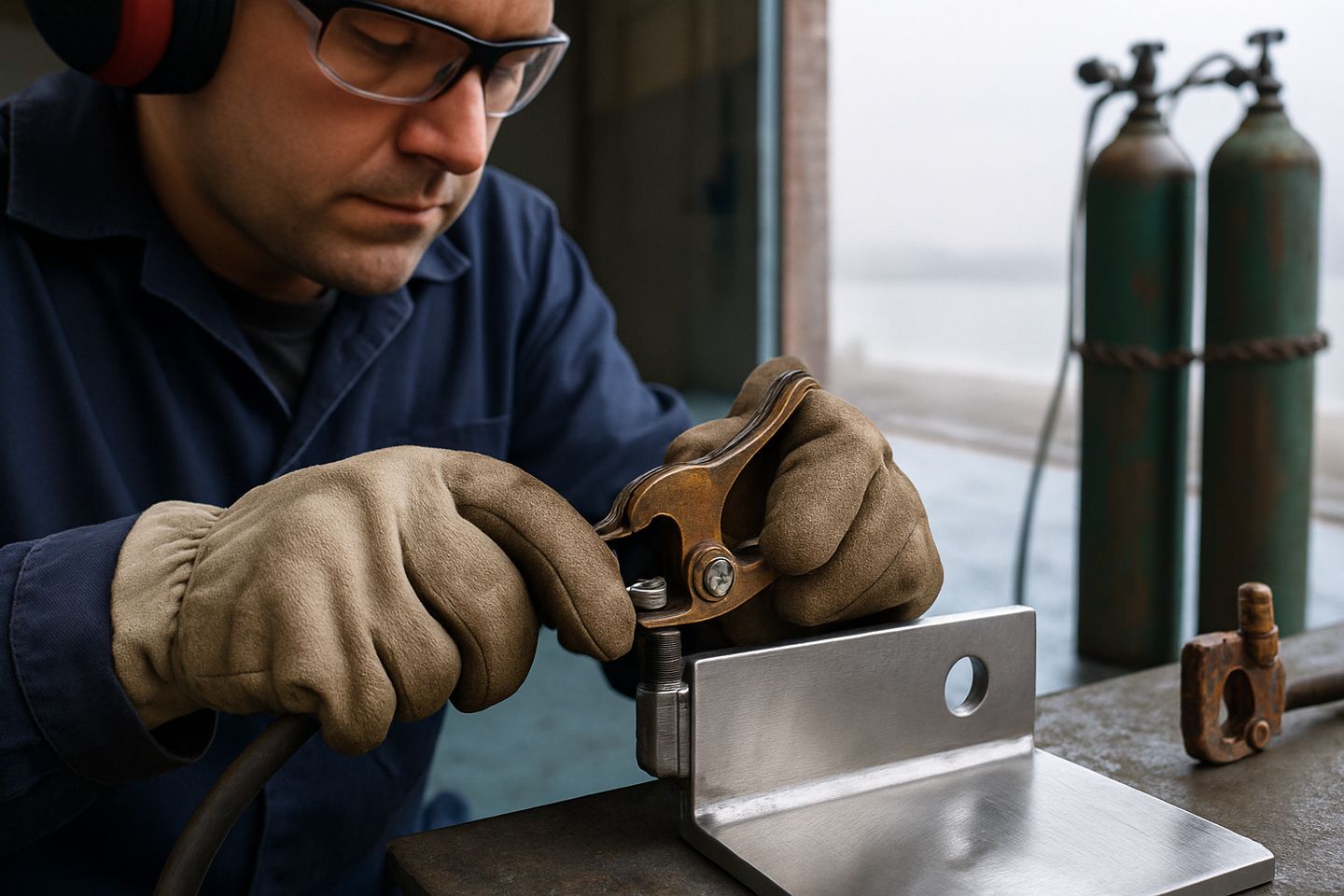
We started by setting up a BenchMaster Pro as the primary fab bench, with the M10 earth studs giving a proper earth connection for each job. A fresh EarthBond Kit went in on day one: 50 mm² cable, 600 A clamps, and bay tags so every operator knew where to connect. On a bay this busy, it stopped any chance of earth current running through bearings or chains.
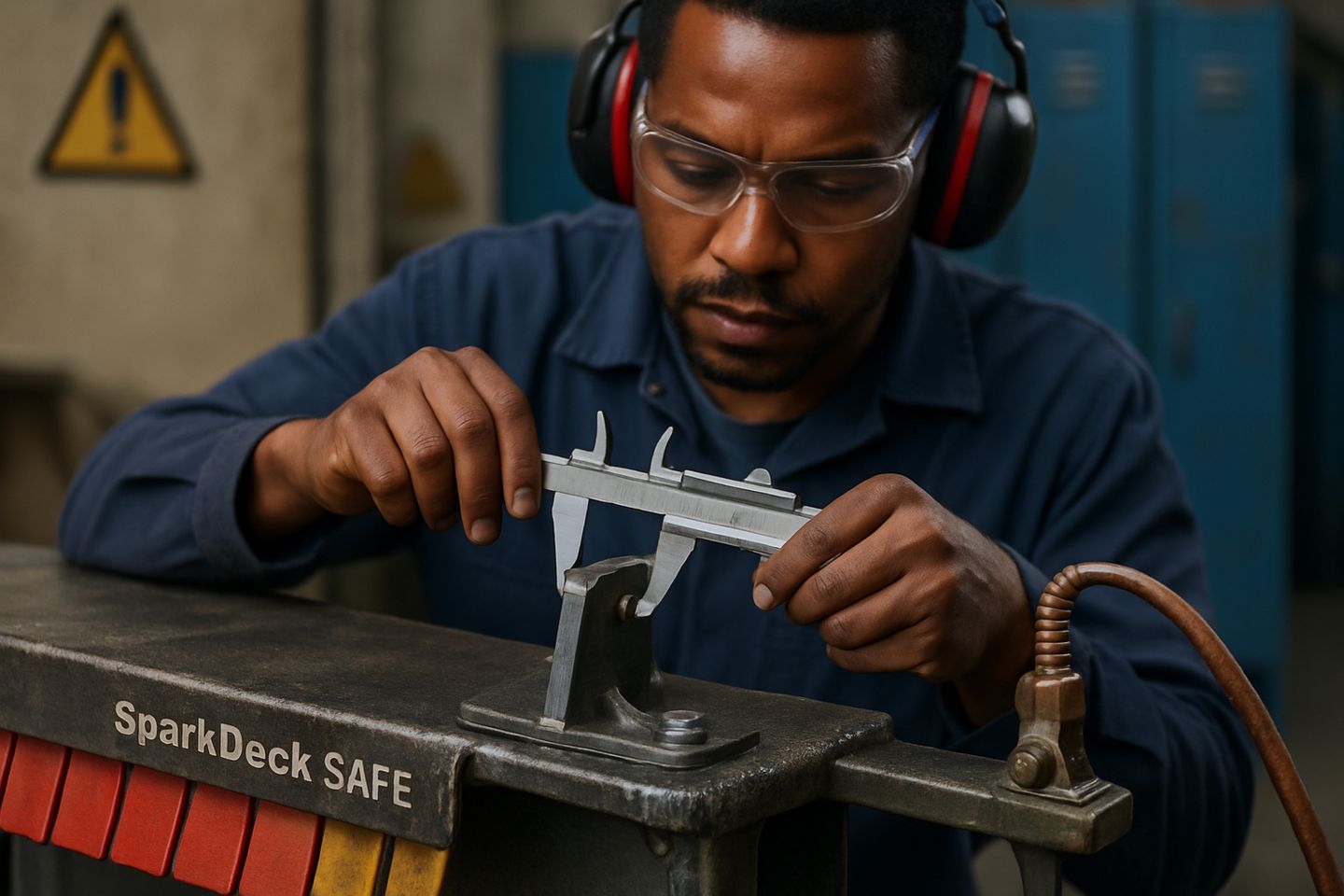
The team got a full MeasureKit Fab set for checking bracket holes, lengths and fillet weld throat sizes. All the measuring tools were kept in a foam organiser with a shift log card. We added a ClampRail set with soft jaws to avoid marking aluminium and painted bracket surfaces. A ScrapRack Lane was put in for offcuts and plate pre-cuts, with thickness tags colour-coded for easy pick-up by any shift.
What we had to adjust after the first few weeks
Within two weeks, clamp screws and bare bench tops showed first signs of rust from the Westville humidity. We swapped in extra soft jaw packs and a spark skirt kit to keep water and grinding dust off critical surfaces. The shift log card system had to be tightened: instead of just noting tools in and out, operators now logged earth point checks, clamp condition and bracket size sign-offs at the end of each shift.
One early slip was earth returns left clamped to the bench frame. After a refresher using the TrainBay habit cards, every operator used the BenchMaster's M10 stud or clamped direct to the workpiece. These small changes tightened up the whole bracket process and dropped the number of reworks.
Takeaways for other coastal yards
Westville's marine bracket bay now runs smoother, even with rotating crews and humid conditions. The key was starting with solid earth connections, keeping tools in order, and making sure every operator followed a shift routine. Coastal air will always try rust every steel part, so extra soft jaws and regular cleaning are a must.
Other yards facing the same coastal challenges should focus on earth kit checks, shift logs, and keeping measuring tools dry between uses. If your bracket fits keep slipping or clamps gum up, consider more frequent tool checks and extra fixture packs. Good habits in a busy bay save more rework than the fanciest new tool.
- Use tagged earth kits for every shift
- Rotate and clean soft jaws weekly
- Keep foam cases closed when not in use
- Log tool condition and bracket checks every shift
- Store offcuts by thickness and colour tag
Related on the floor
Primary gear: MeasureKit Fab. See also jobs and shopfloor.
What our Fabrication Gear customers say
Verified Google reviews
Talk to FabMaster Workshop
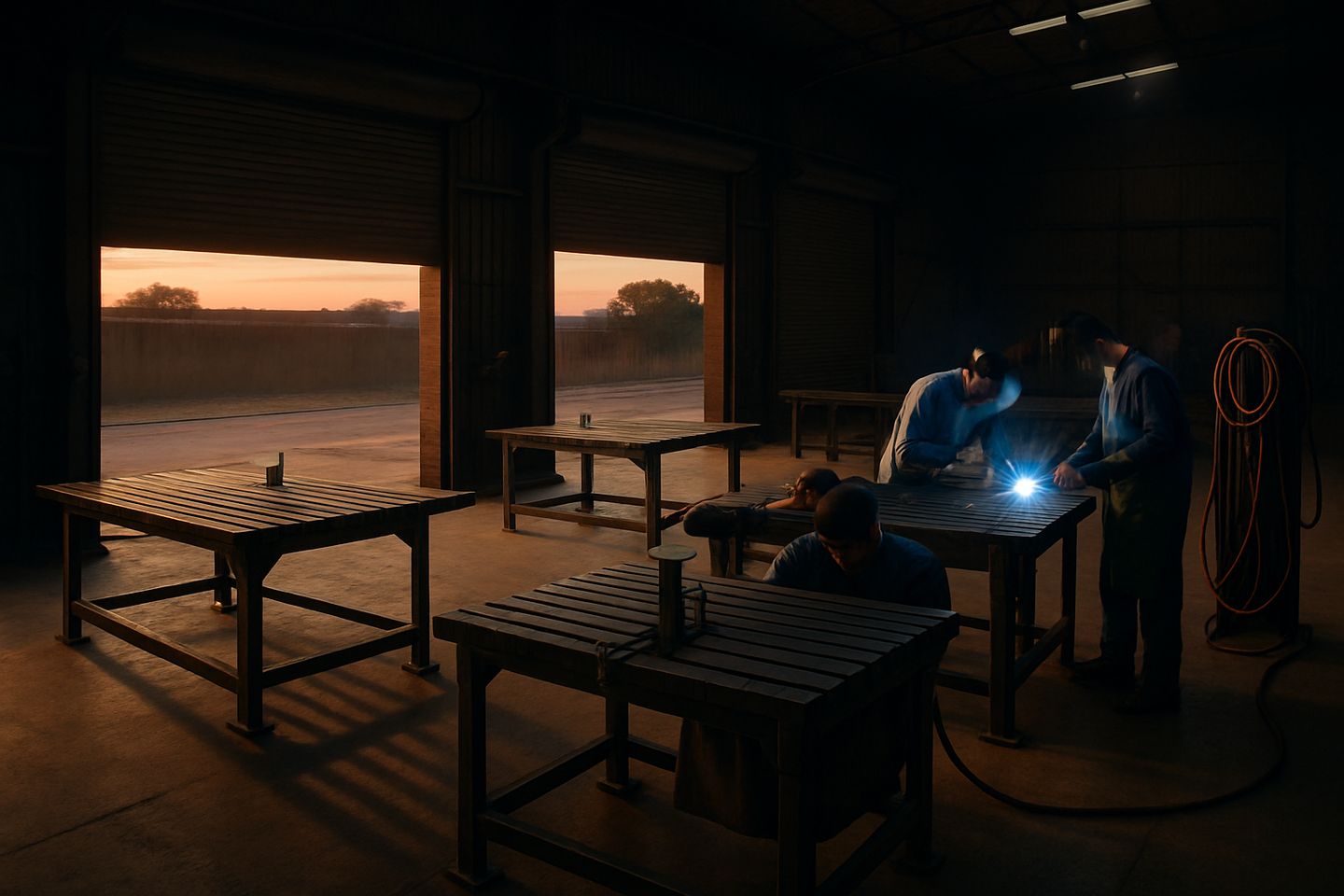
Tell us about your bay and we'll come back with a practical kit list, or book a visit to our Sunnyrock fab floor in Germiston.