
Durban
Umbilo HVAC remnants
A Durban duct shop needed to tame the growing heap of galvanised HVAC remnants, keep the floor clear, and speed up shift handovers. We fitted ScrapRack Lane bays built for coastal conditions.
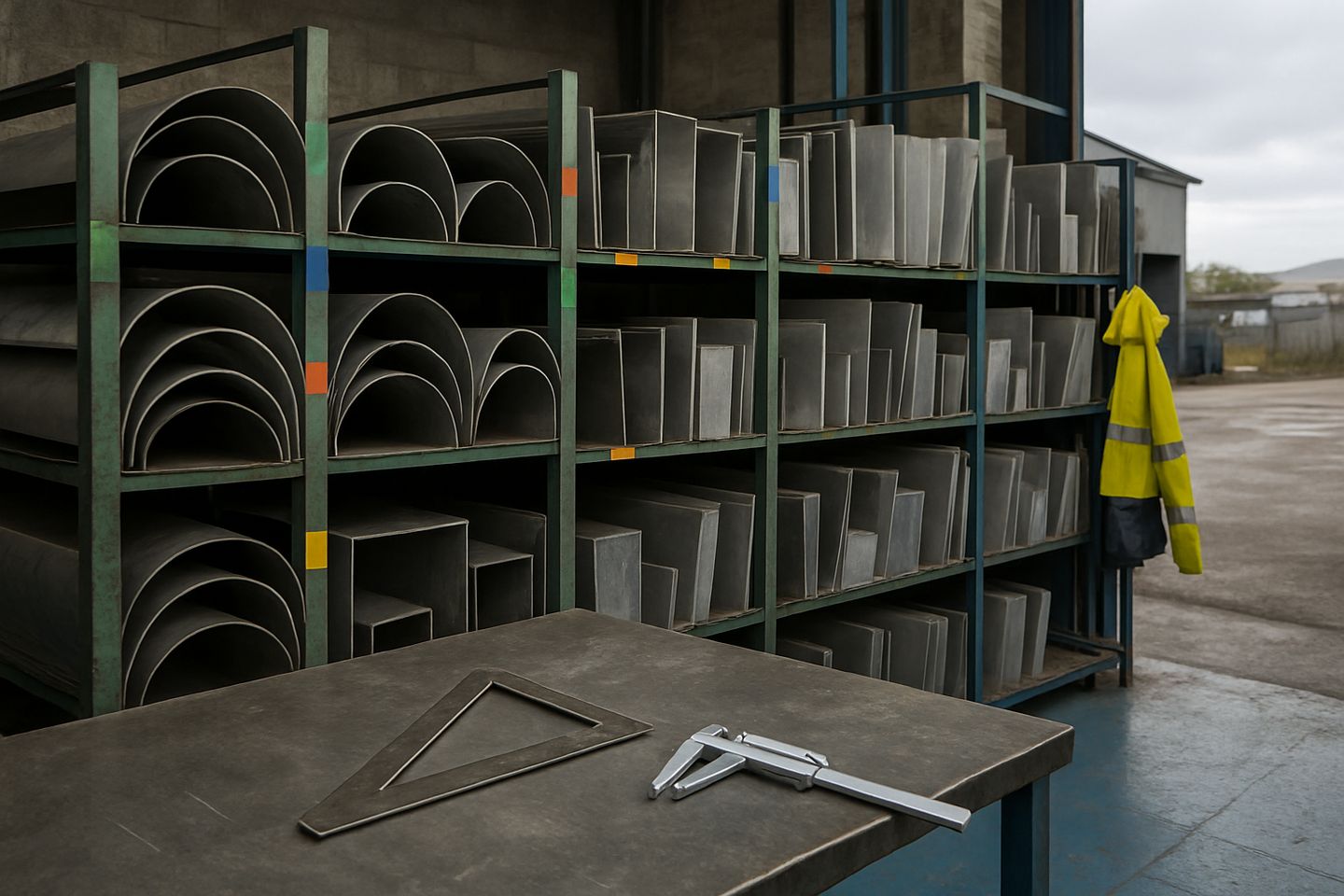
HVAC offcuts stacking up in Umbilo
In this Durban yard, the daily routine involves shearing, bending, and assembling HVAC ductwork for sites all over the eThekwini metro. Crews work a mixed roster, with night shifts or sudden site call-outs. Remnants, mainly galvanised offcuts, pressed corners, and short sections, were piling up along the wall and under benches. Wet floors, salt air, and tight walkways made the mess a safety hazard, and junior operators struggled to find usable pieces during busy handovers.
The foreman needed a way to keep offcuts from turning into a scrap heap, tag materials ready for rework, and make it easy for different crews to grab what they need without wasting time. The shop did not want full automation or high racks but needed something practical, weldable, and tough enough for coastal corrosion.
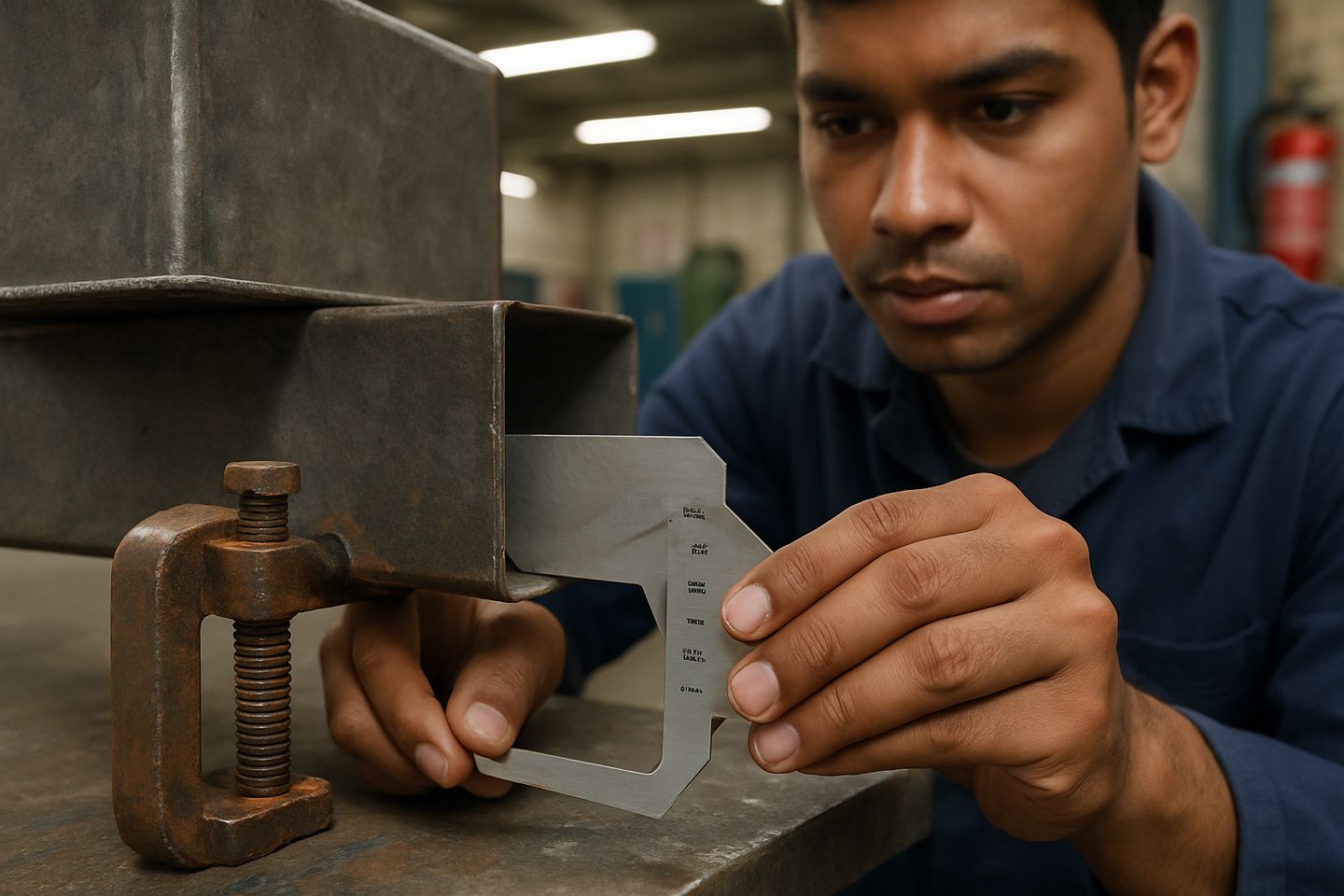
ScrapRack Lane and tags for shopfloor order
We installed two ScrapRack Lane units near the main duct bench and plasma cutter, each with eight colour-tagged lanes for different gauges and types. Every lane got a thickness tag, and the lower fork clearance means the bakkie driver can fetch the whole bay for recycling runs without unpacking every remnant.
For fixtures, we added tag packs for 0.6 to 1.2 mm galvanised, painted and plain steel, plus spare mm thickness tags for mixed pieces. The lane units were pre-treated for high humidity, with extra drainage holes and zinc-primered feet. To help the team keep tools handy, we added a PPE Station Bay and a Consumable Cart with disc slots and lockable drawers, set up between the grind deck and the layout table.
Adjusting for Durban’s damp and quick shifts
After a few weeks, the team found that unpainted screws on the rack feet picked up surface rust from daily washdowns and salt-laden air. We swapped these for coated fasteners and replaced two thickness tags that got unreadable from handprints and galvanised dust. The foreman also asked for extra tag holders for returned bends and pressed corners, since these offcuts came back from sites with different crews.
We ran a practical session on remnant sorting for new hires and updated the shift log card on the Consumable Cart to include a simple rack-check tick box, so the floor is clear at the end of every shift.
Lessons for other duct and metal shops
If you run a duct or metal fab yard on the coast, wet and salty air will find every weak spot. Use coated fasteners and tag packs that wipe clean. Set up ScrapRack lanes near your main bench but out of the walkway, this keeps remnant handling safe, tidy, and quick during shift changes.
Organise returns and offcuts by job or material type, and update your shift log or kanban card system. A clear rack at hand means less searching, fewer trip hazards, and more of every offcut put to use.
- Tag offcuts by thickness and type
- Coat all fasteners and feet against corrosion
- Put racks near main benches, not in the path
- Add rack checks to shift logs
- Keep spare tag holders for site returns
Primary gear: ScrapRack Lane. See also jobs and shopfloor.
What our Fabrication Gear customers say
Verified Google reviews
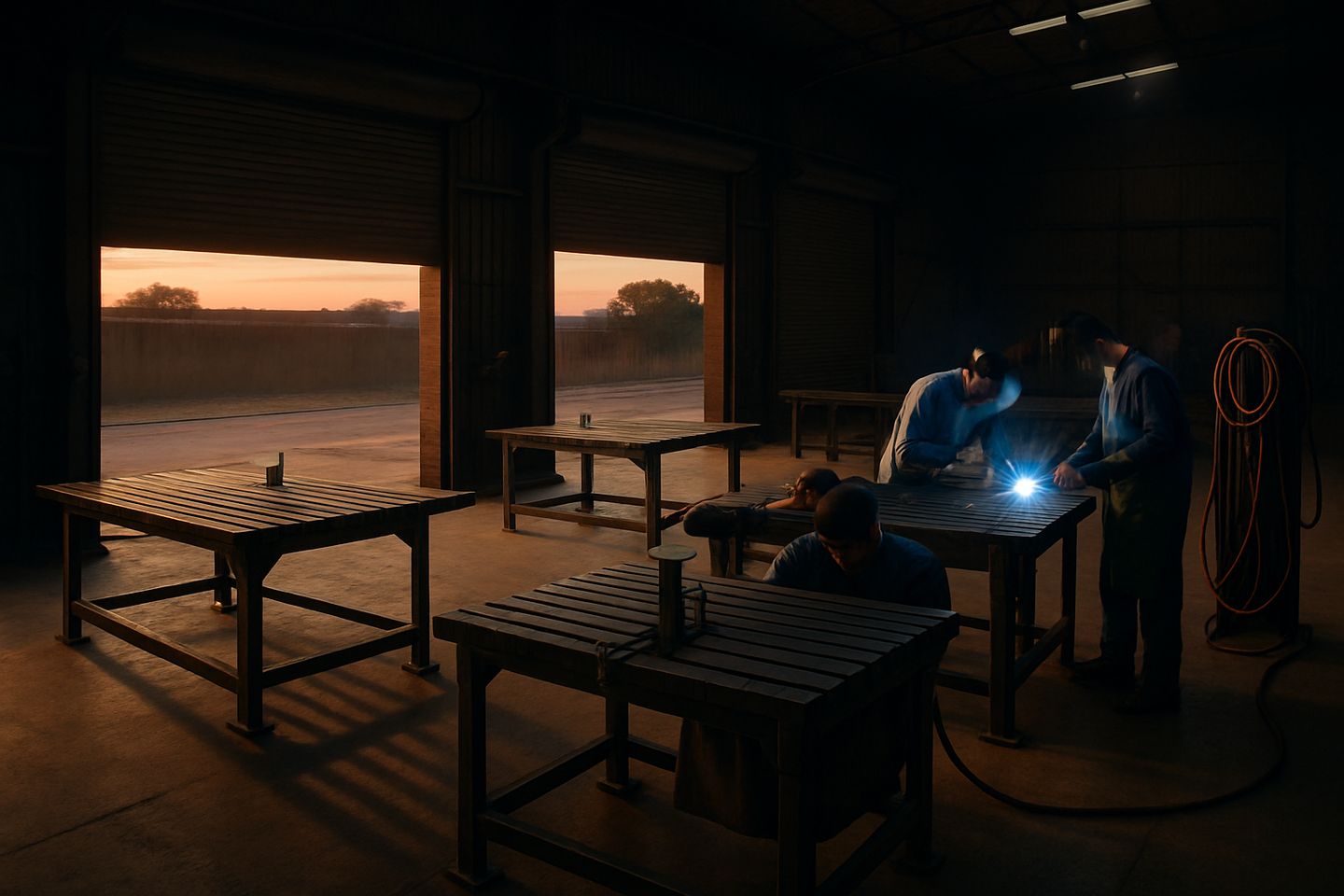
Talk to FabMaster Workshop
Tell us about your bay and we'll come back with a practical kit list, or book a visit to our Sunnyrock fab floor in Germiston.