
Umhlanga
Umhlanga sign frames
A sign shop in Umhlanga called us in to organise new sign frame bays for their tight floor and mixed job loads. We fitted out the space for flexible shop work.
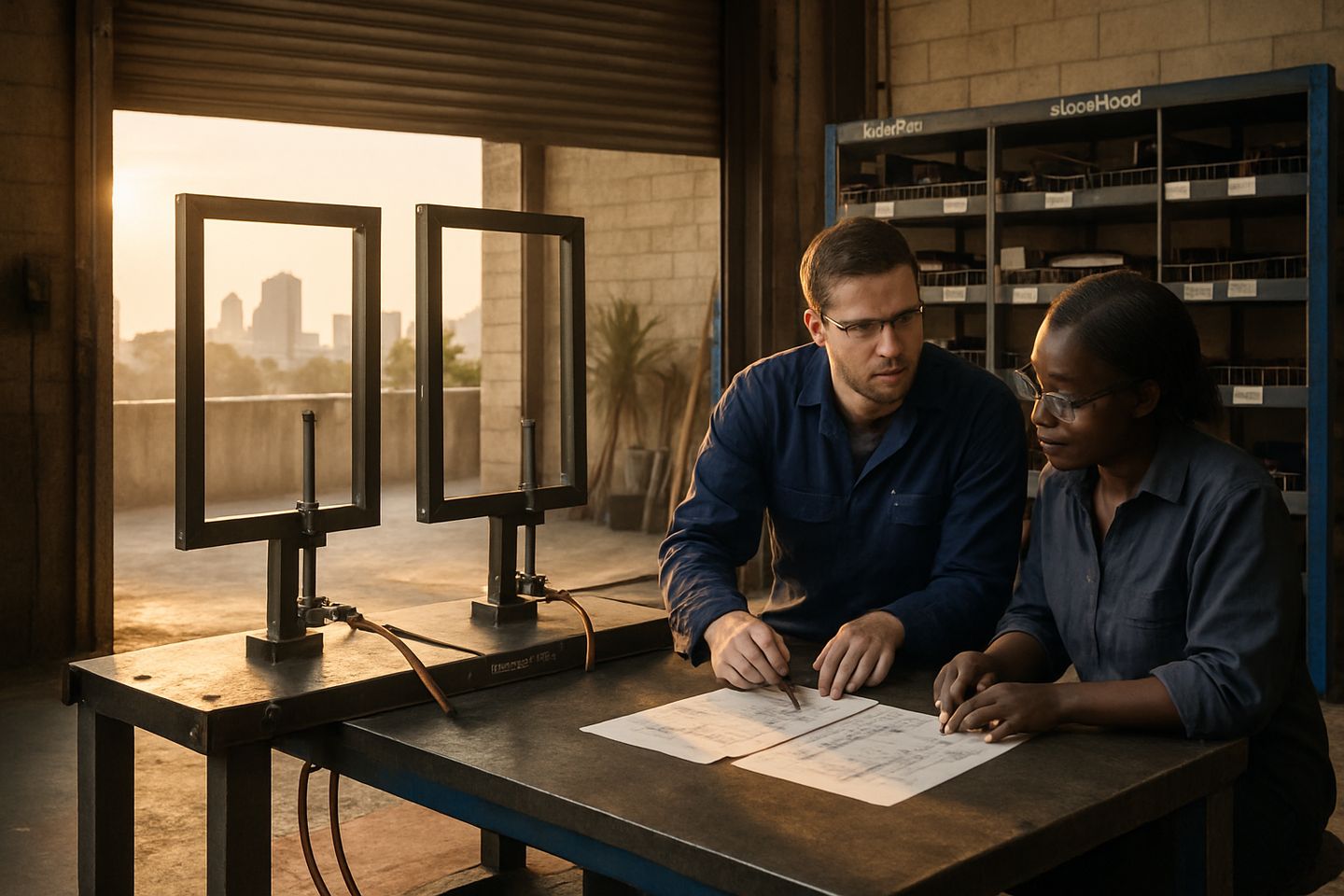
The Umhlanga yard and what they needed
This Umhlanga workshop makes and repairs sign frames, handling painted tube and aluminium for local businesses, retail parks and developers. Their floor is compact, with jobs moving between paint, welding and assembly. Peak times see a mix of rush orders and short runs, so the crew needed storage that kept steel sorted by thickness and length, plus a way to clamp odd frames without spending time on custom jigs.
Humidity near the coast here causes clamps and bare steel to start rusting fast, especially in the summer. Their old storage was a pile of offcuts and tube racked against the wall, which meant a lot of wasted time looking for the right piece. The team also mentioned that when it rains, things get slippery and power can cut for half an hour.
- Tight bay footprint
- Mix of painted and bare steel
- Coastal humidity issues
- Frequent job changeovers
- Shared tool sets
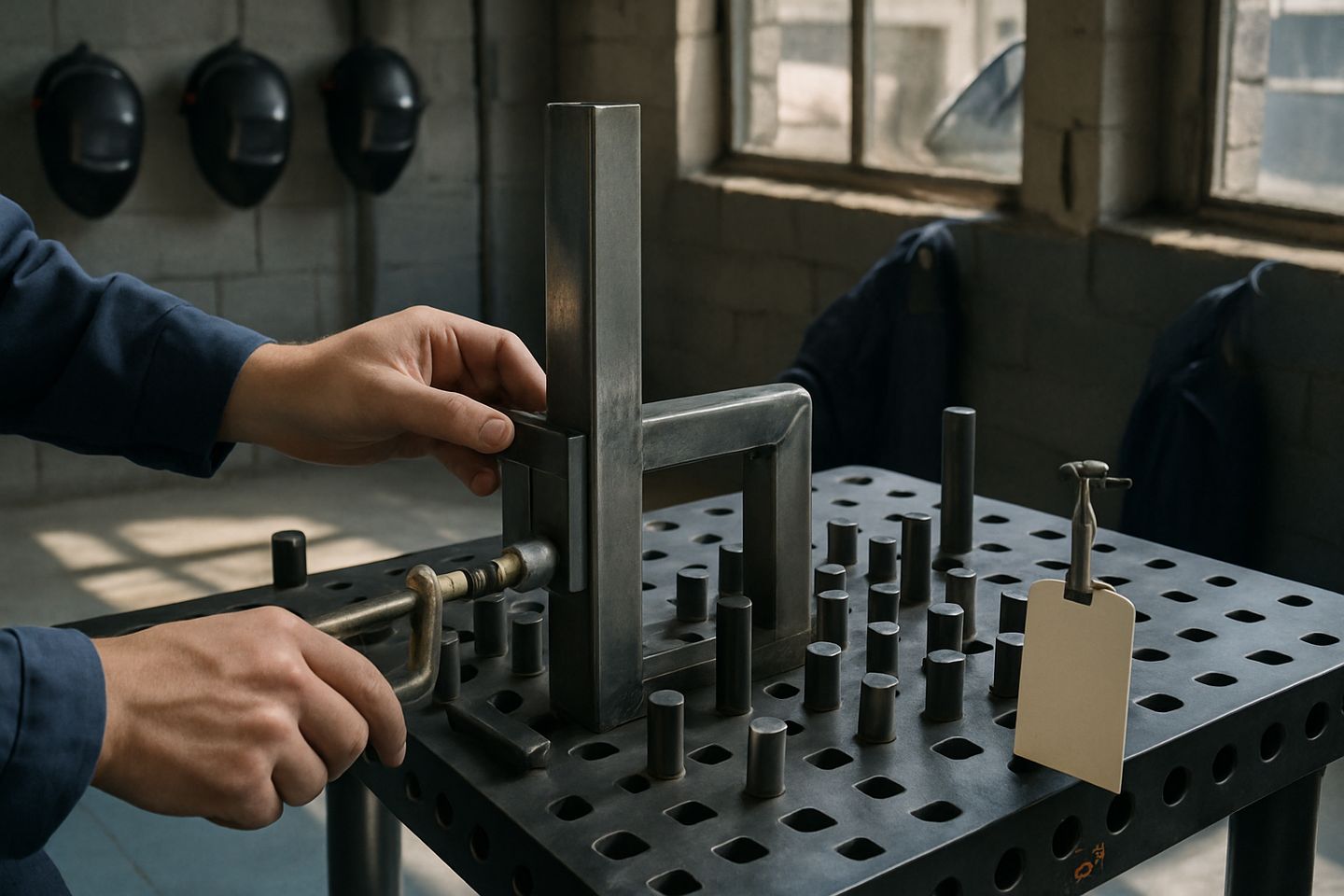
Setting up the bays with ScrapRack and rails
We set up three fabrication bays using ScrapRack Lane for steel and tube, ClampRail System along two sides for holding frames during layout and tacking, and a PPE Station Bay on the end wall. Each ScrapRack had thickness tags and clear aisle space for a bakkie trolley to get in and out. Layout Table XL on the main line gave a flat surface to square large sign frames before welding.
TorchBay Station was fitted for both plasma and oxy-fuel cutting, with spring-return hose reels and tip racks labelled for quick swaps. We set up earth return points using BenchMaster Pro M10 studs, and tagged each bay for quick tool checks. The floor was marked for safe zones and walkways so everyone could see where steel and tools belonged.
First month adjustments and quick fixes
After the first few weeks, the crew found that the ClampRail jaws were picking up surface rust overnight due to the coastal air, especially after a heavy rain. We swapped out the jaw packs for the soft jaw type and added a weekly wipe-down with a light oil to keep them smooth.
Some of the team were leaving earth clamps on the ScrapRack frame instead of onto the part being welded, so we added a short how-to card to the bay tags as a reminder. They also started using the thickness tags as markers for the next day’s cut list, which helped keep offcuts sorted. One day, someone doubled up the garbage bags in the grind deck chute by mistake but its a small hitch in a busy week.
Lessons for other coastal sign and fab shops
Coastal yards like Umhlanga need to plan for rust, especially on clamp screws, bench tops and earth paths. Marking thickness and length on ScrapRack lanes saved this crew time every day, and using ClampRail jaws with regular cleaning helps keep tools working.
Tagging bays and setting up collection points for PPE and cut-offs let the team work faster and keep the floor clear. For other yards, think about how your crew swaps jobs on the same day and set up flexible rails and racks that suit quick changes. SANS 10019 is clear on gas cylinders: keep them upright and apart, and check hoses after every shift.
Related on the floor
Primary gear: ScrapRack Lane. See also jobs and shopfloor.
What our Fabrication Gear customers say
Verified Google reviews
Talk to FabMaster Workshop
Tell us about your bay and we'll come back with a practical kit list, or book a visit to our Sunnyrock fab floor in Germiston.