Job path
Municipal workshops
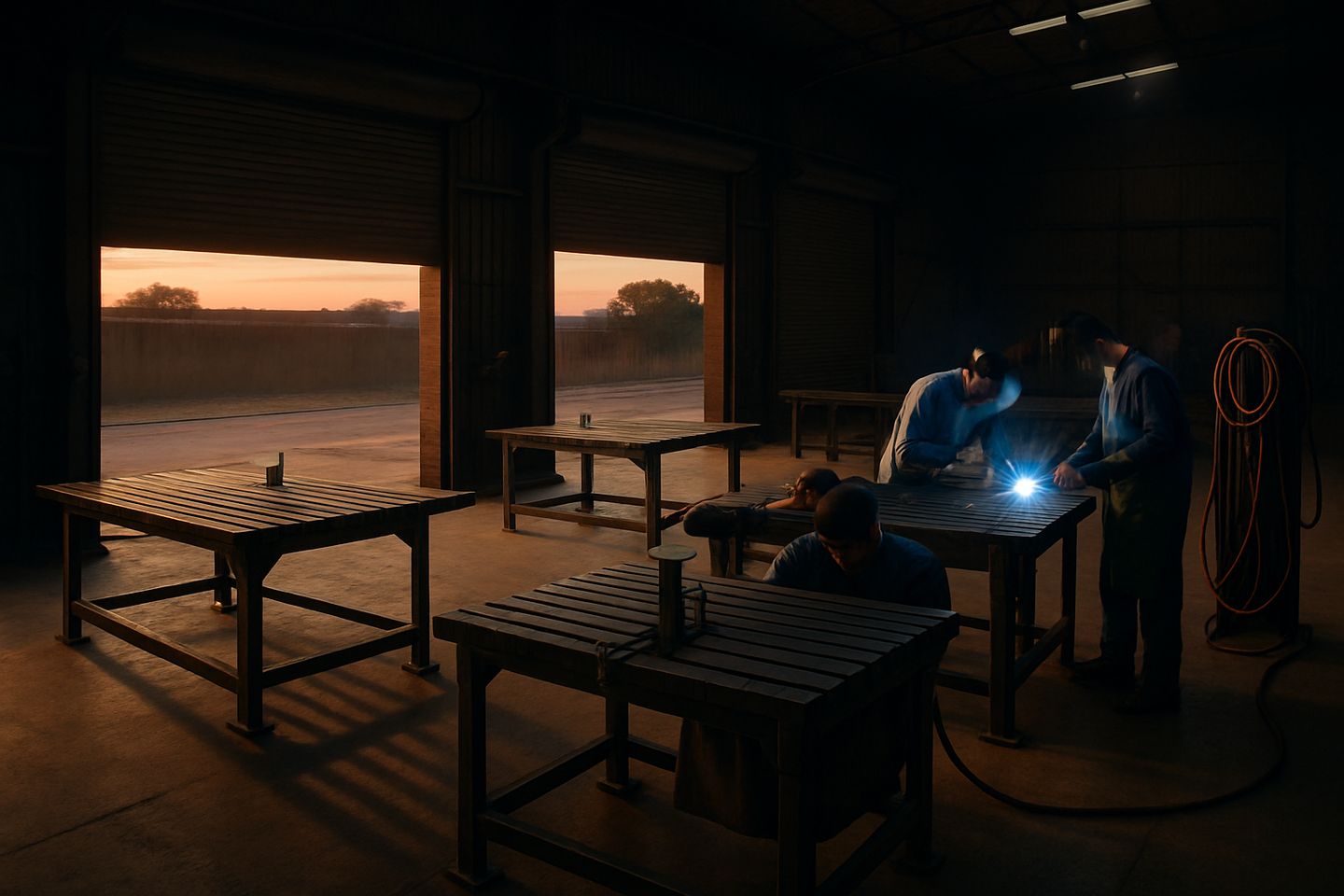
Municipal workshops repair, modify and build parts for parks, roads and fleet, from benches and gates to truck bins and safety rails. Reliable gear, clear layouts and trained teams keep jobs moving.
What municipal fabrication work covers
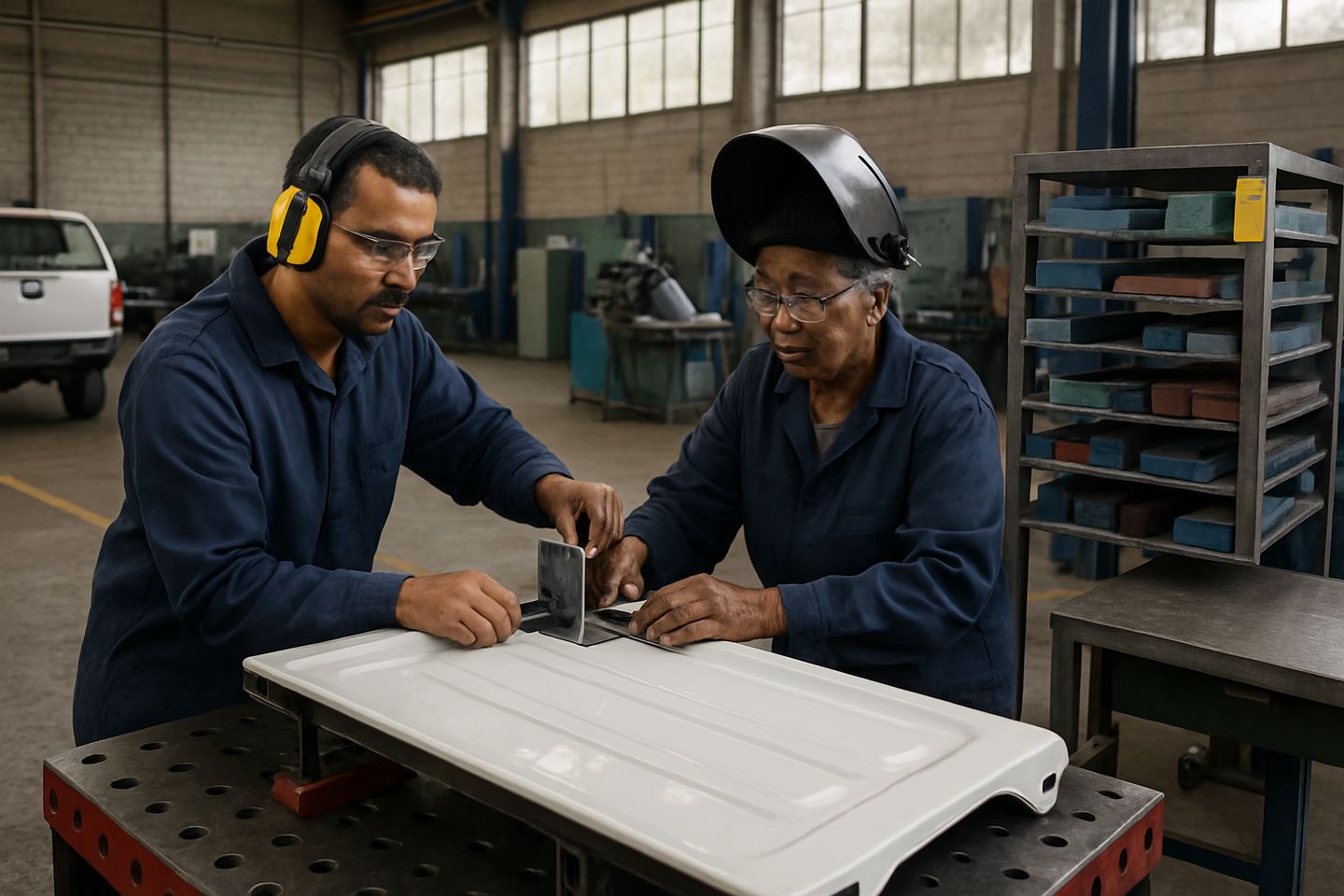
Municipal fabrication teams handle everything from fixing park benches and bollards to building bin frames, gates, handrails and truck bodies. Most work is mild steel, galvanised or painted, with some stainless and aluminium for coastal or sanitary areas. Stock size is seldom standard, expect odd angles, reused steel, and repairs on-site or in the yard.
Accuracy matters for fit-up and safety. Brackets must line up with posts, welds must pass inspection, and all work has to last outdoors. Final jobs may need neat welds, straight cuts, and clear marking for installation by others. Speed counts when public facilities are closed or fleet vehicles are off the road.
FabMaster gear for municipal yards
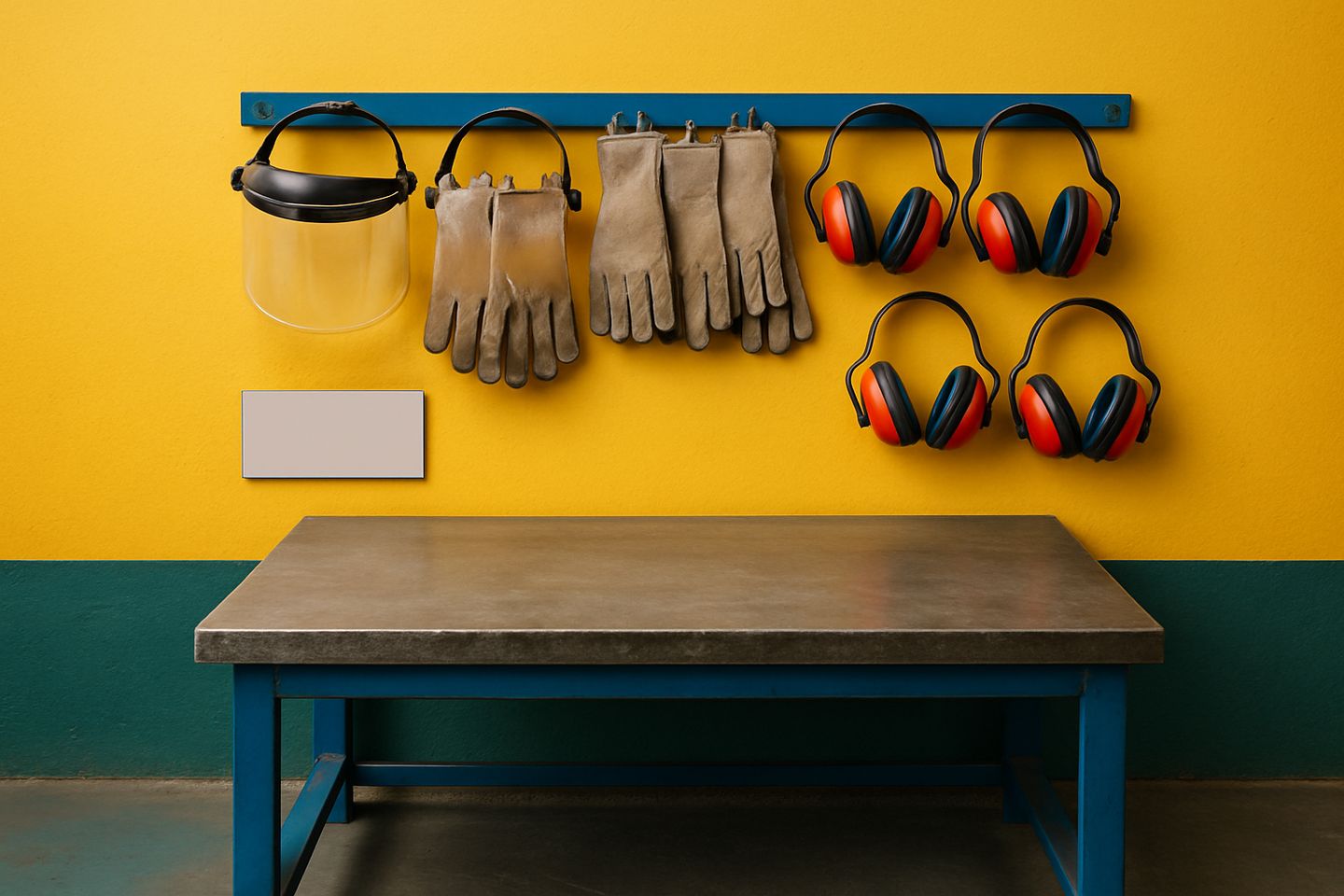
The BenchMaster Pro gives a tough, flat work surface for jobs up to 1200 kg. Its dog-hole grid is ideal for fast clamping of frames and posts. M10 earth studs ensure safe return points when the bench is shared or moved, and the oil-black finish holds up to Highveld dust and coastal damp.
GrindDeck Safe keeps sparks off floors and passers-by, with a skirt to stop burning dust from spreading. For measuring, the MeasureKit Fab covers all the common tasks: checking bar stock, squaring frames, setting fillet welds, and filling in weld records. Add ClampRail System or JigKit Modular when you need quick setup for repetitive parts and angle work.
Fixtures like spark skirts, angle blocks and earth bond plates turn any general-purpose bay into a safe, multi-job zone, you can switch between cutting, tacking and grinding without waiting for a free bench or risking poor return paths.
- BenchMaster Pro for heavy or long parts
- GrindDeck Safe for spark and dust control
- MeasureKit Fab for weld, angle and part checks
- ClampRail System for fast clamping
- JigKit Modular for repeated angles and tags
How to run a municipal fab bay well
Municipal work often runs in batches when a fleet is in for service, a park is being upgraded or a seasonal job kicks off. Label batches on racks and use recipe tags for standard items. Wet weather in coastal cities means more rust control between jobs, cover benches and oil moving parts, and keep clamps dry. In Highveld winters, watch for dust in grinders and on callipers.
SANS 2001-CS1 applies to structural jobs like handrails and platforms, so keep weld records and material tags where needed. Record power cuts and restarts on the shift log for safety checks. Welders may rotate, so mark bay zones clearly and use PPE stations to keep gear at hand. Insist on daily checks of earth return cables and flashback arrestors for gas cutting at every bay.
Common mistakes and rework triggers
Rework in municipal yards often comes from poor fit-ups, skipped safety steps, or unlabelled parts mixed in with new jobs. Mixing up material grades or thicknesses leads to failed inspections, especially after painting or galvanising.
Other pitfalls include shared earth cables running through hinges or bench frames, which can cause arcing or damage. Not checking gas hoses and flashback arrestors risks leaks or flashbacks. Skipping shift logs or weld records makes it hard to prove compliance under the Occupational Health and Safety Act if there is an incident.
Avoid letting clamps and squares rust in coastal air or leaving grinding dust to build up around electrical plugs and cable runs. These simple checks cut downtime and keep municipal bays safe and productive.
Typical starting kit
Shopfloor note: Spark skirts that actually work