Job path
Prototype R&D
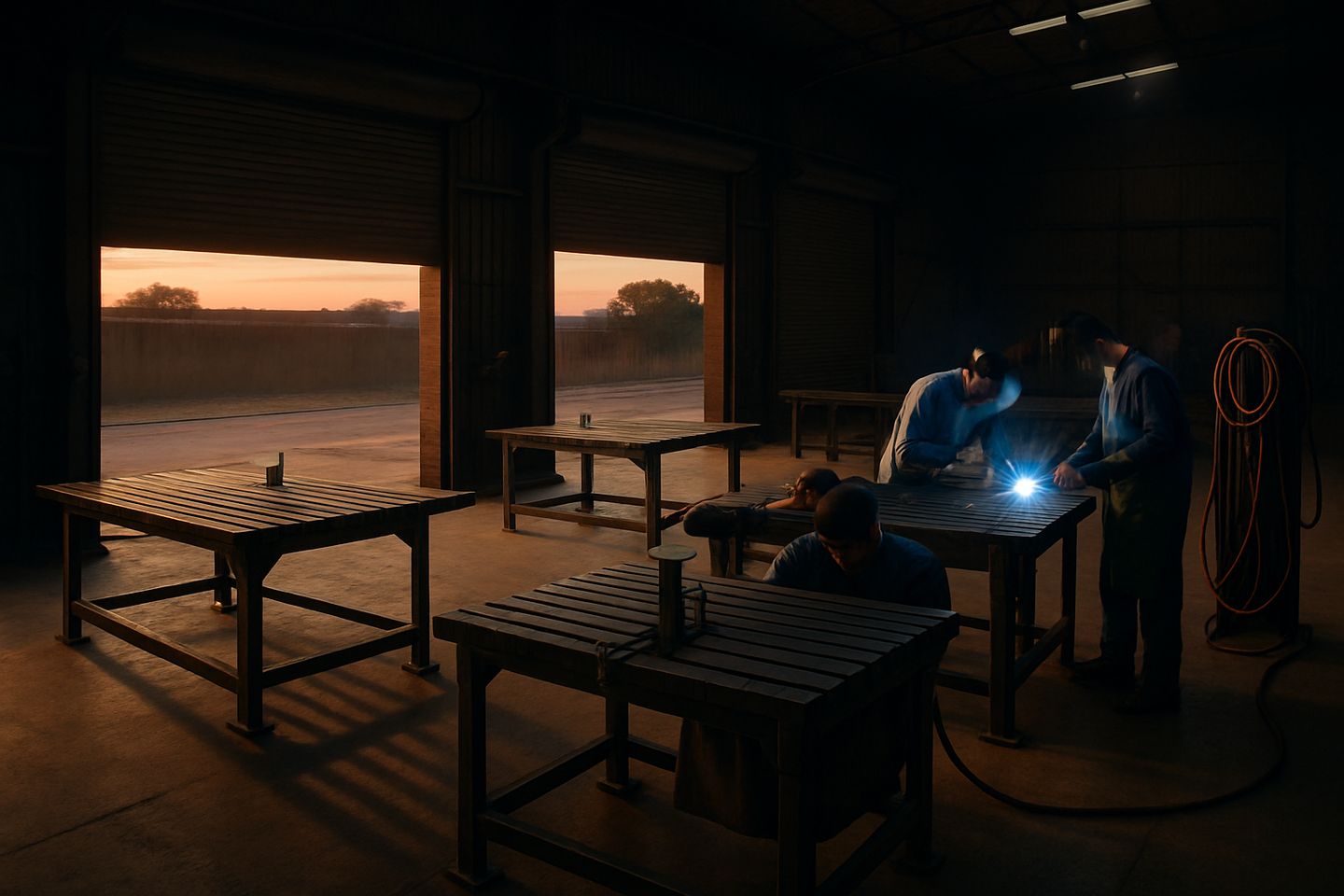
Prototype R&D on a South African fab floor means testing new jig setups and fit-ups in real conditions before launching into production runs.
What prototype R&D means on a working fab floor
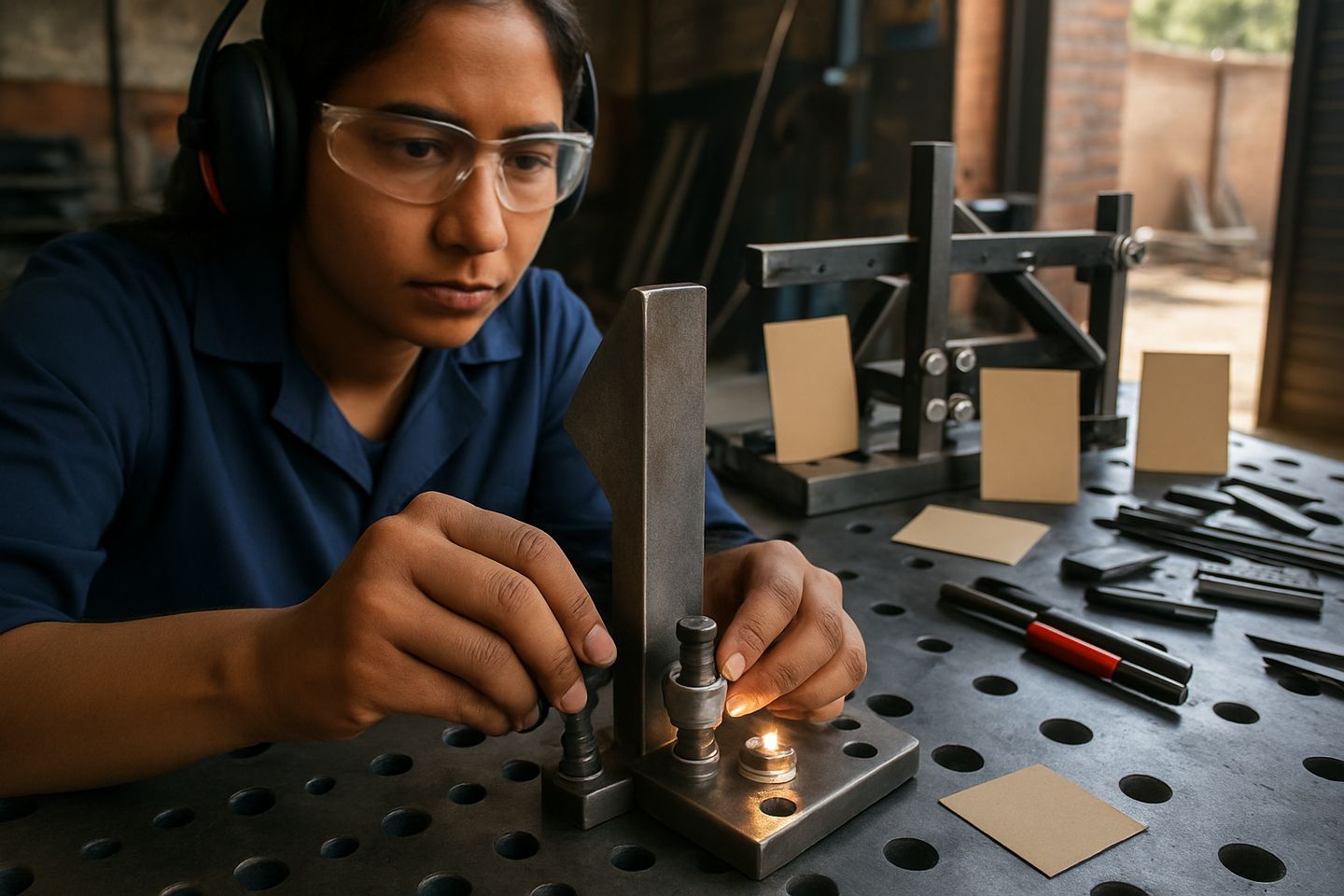
Prototype R&D in the workshop is where new ideas get put through their paces before you commit to bulk materials or a full set of jigs. It usually starts with basic lengths of tube, angle, sheet, or plate, real-world clamps, and hands-on measuring. Parts range from trailer axles to custom brackets, test gates to one-off workbenches, depending on what needs proofing.
Accuracy is not only about millimetres. It’s how your parts assemble, how fixtures hold up under a real weld, and if the first fit-up shows where you’ll get warping or clashing parts. Most R&D bays work with offcuts and short runs, but the attention to layout, squareness, and clear weld access is what saves trouble later.
FabMaster gear that keeps your prototype bay practical
The BenchMaster Pro is built for prototype work. Its steel top and dog-hole grid let you rig and unrig test setups fast, while the M10 earth studs give you a clean return point for safe, low-resistance welding. The ClampRail System clamps out odd shapes and holds trial parts steady for tacking or grinding.
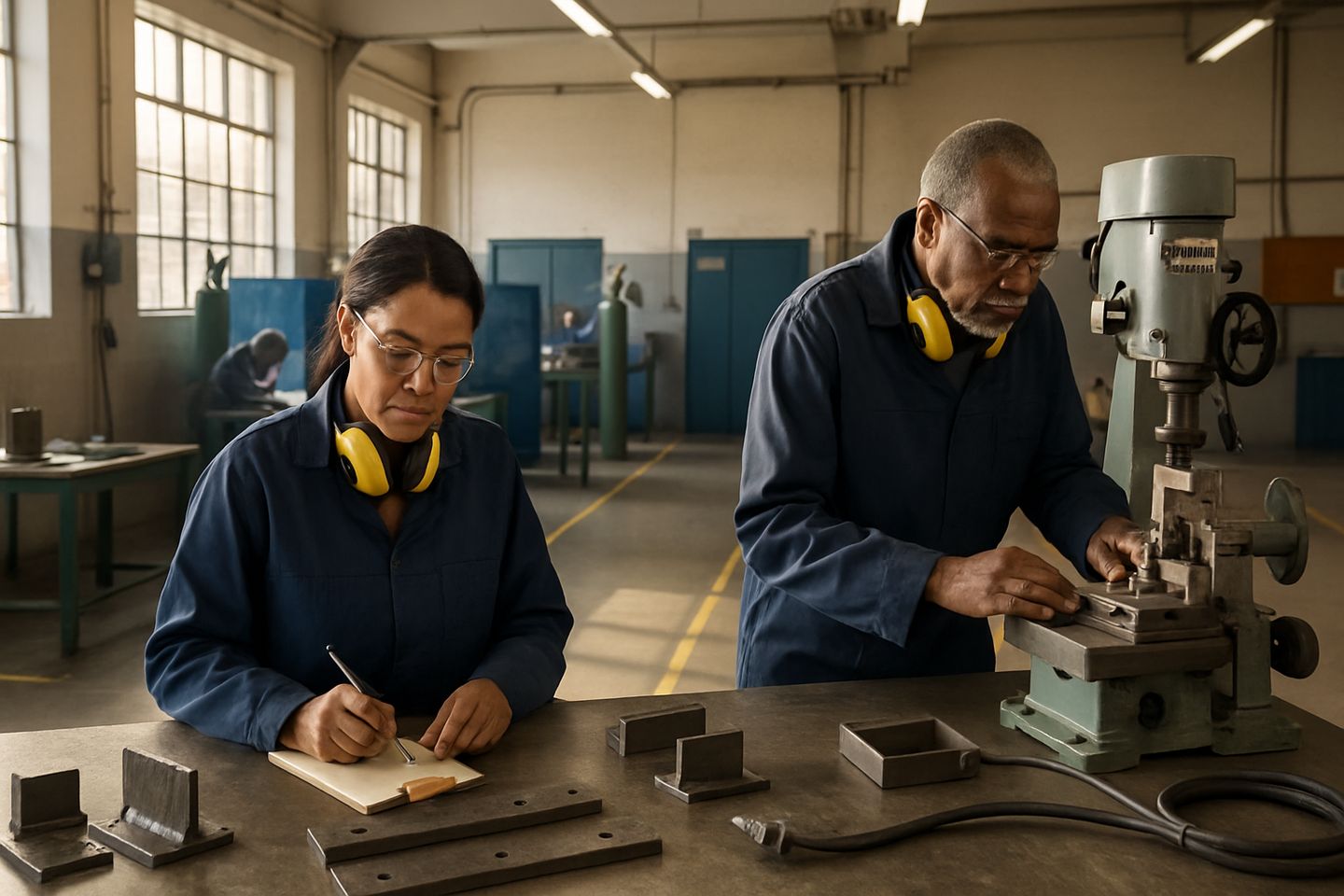
MeasureKit Fab is essential for recording fit-ups and checking alignment, especially when you need to repeat a trial next week or verify if a tweak actually worked. The JigKit Modular plates and angle blocks help you build up proof-of-concept jigs before committing to laser-cut fixtures.
- BenchMaster Pro for sturdy, flexible setups
- ClampRail System for quick holding forces
- MeasureKit Fab for reliable layout checks
- JigKit Modular for test jigs and adjustments
Running prototype R&D smoothly in a South African yard
Short batches and one-off test pieces only save you rework if you record your findings. Mark up a shift log or attach recipe tags to parts. Quick photos on the bay and short notes on what worked help the next shift carry on or repeat the trial.
Coastal humidity rusts bare steel and clamp screws fast, so keep some oil on hand and clear up at the end of day. Inland workshops get dust and dry air, so check earth bonds stay tight and contacts clean. Power cuts in some areas can pause trials, plan for safe tool shutdowns. Weld records are useful if you need to prove settings or pass to a foreman for sign-off.
Mistakes that lead to wasted effort and expensive rework
Skipping the earth return check can fry bearings or cause bad welds, always clamp close to the weld on clean metal, not through the bench or hinges. Ignoring squareness and layout at the R&D stage means building jigs that will warp in production.
Not labelling prototype parts or recording settings wastes time, especially with shifts or teams rotating. Letting spatter build up on your BenchMaster or leaving measuring tools loose after each trial are quick ways to lose accuracy and slow down future tests.
- Clamp earth return to the workpiece, not the bench
- Record measurements and settings for each test
- Check squareness and alignment at every stage
- Keep gear clean, avoid spatter pits and dust build-up
Typical starting kit
Shopfloor note: Pre-weld measures that stick