Job path
Mining maintenance
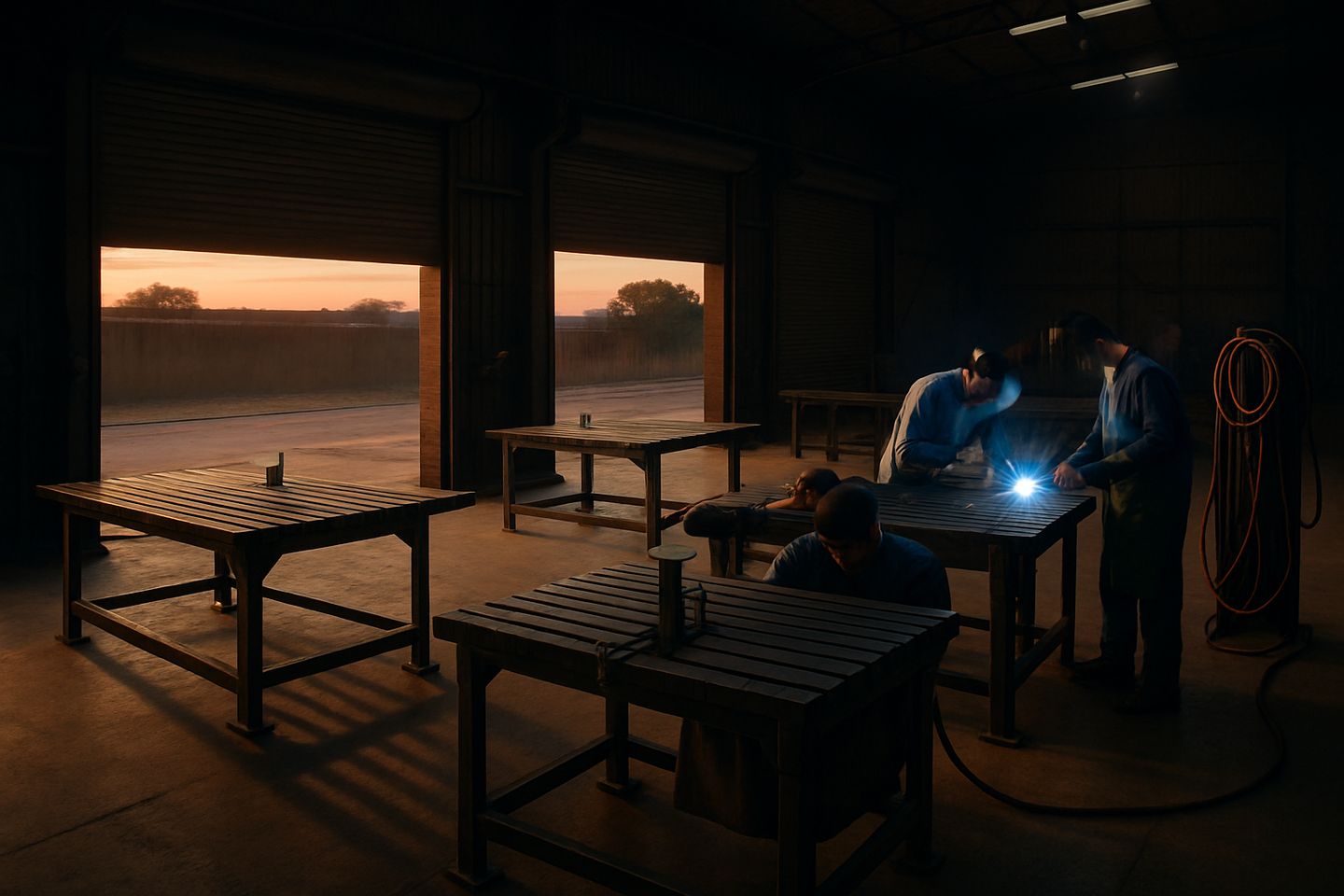
Mining maintenance welding covers quick fixes and structural repairs from tipper bins to plant frames, often out in the yard or between shifts. Accuracy and safety keep downtime short.
What mining maintenance work covers
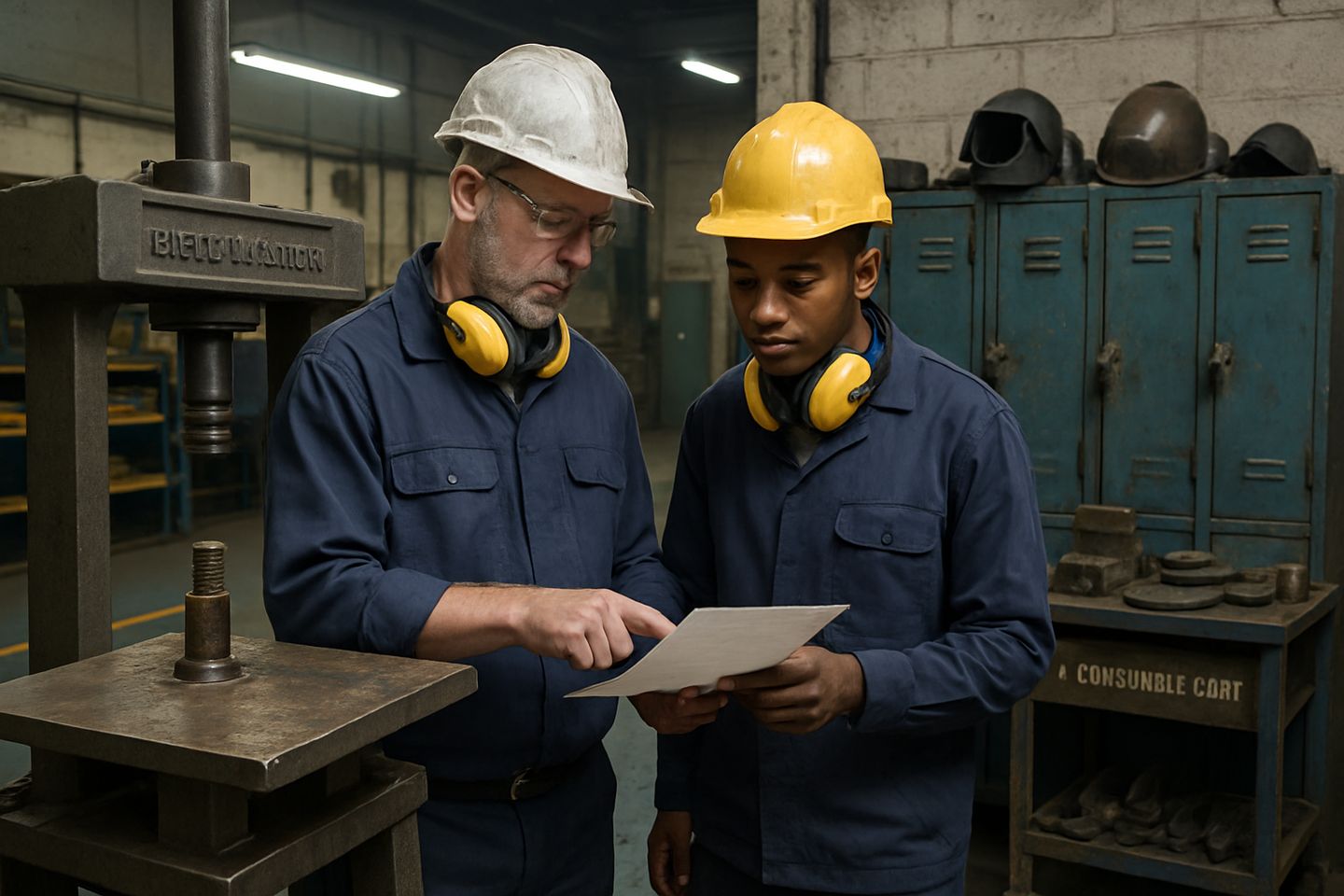
Mining maintenance in South Africa keeps patching jobs and structural fixes moving on tippers, bins, ore chutes, handrails, crusher guards and worn brackets. Most work is on mild steel from 3 to 20 millimetres, but you do see Manganese and aluminium, especially on wear plate and some pump casings. Parts are heavy, dirty and sometimes awkward to position, so layout marks need to stay visible and material handling is always an issue.
Accuracy matters most at bolted joints, load points and moving parts. A few millimetres out on a pivot or lug hole means the next crew ends up dragging with a grinder or burning out a new slot. Fillet welds must hit spec, with no undercut or missed edges, especially where site inspectors or OEM warranty checks get involved.
FabMaster gear that fits mining repairs
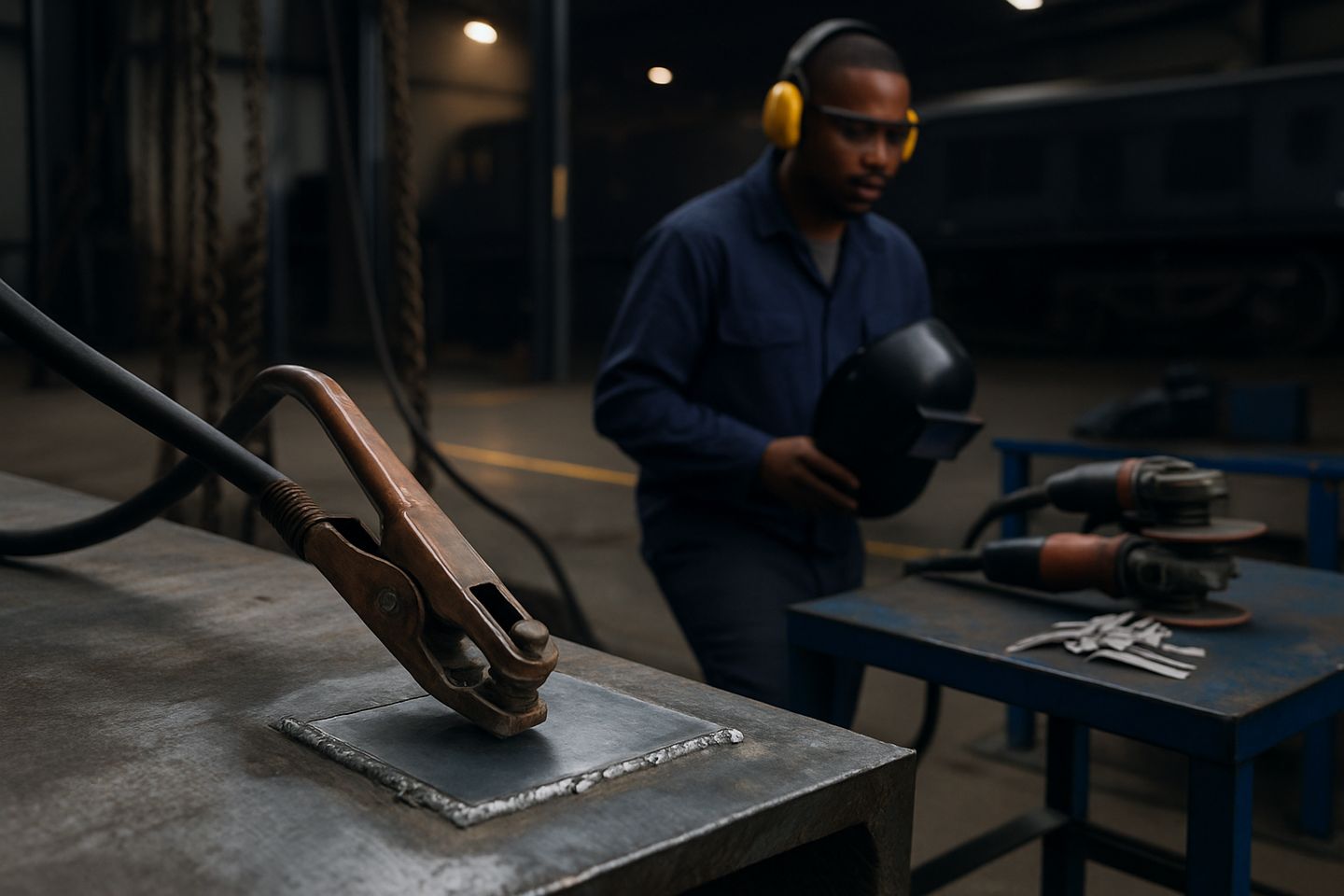
BenchMaster Pro benches take the hit for heavy assemblies and awkward weld-ups, with a 1200 kg load rating and dog-hole grid for flexible clamping. The M10 earth studs give a clean earth path to the job, making sure return current never finds a sneaky shortcut through hinge pins or bakkie chains.
EarthBond Kits are essential for safe return connections on odd-shaped frames, grab rails and plant parts. With both plate and stud options, you clamp earth right where you weld, meeting the General Safety Regulation 9 requirement for proper insulation and safe earthing. MeasureKit Fab keeps callipers, squares and weld gauges to hand for quick checks on repairs and new fabrications.
- BenchMaster Pro for heavy load bearing and flexible fixturing
- EarthBond Kit for safe, direct welding return paths
- MeasureKit Fab for weld and part inspection on the floor
How to run a mining maintenance bay well
Batch repairs by part type where possible, so your team can prep tools, earth paths and PPE in one go. Coastal yards need extra checks for rust on clamp screws, bare steel tops and earth points, while Highveld sites fight dust in the bearings and summer storms that can trip power, so daily resets on work queues matter.
Weld inspection and basic shift handover logs go a long way. Keep a shift log card at the bay for each job, noting material, weld spec, and who worked on it. For contract or insurance work, keep fillet weld gauge readings and weld lengths in a simple record, ISO 9606-1 covers welder qualifications if you ever need to prove who's allowed to weld what.
Mistakes that cost time and rework
Most rework comes from earth cables clamped too far from the weld, or running return through the bench or a bearing instead of straight to the part. That fries bearings and leaves heat marks where you don't want them. Always check lugs for heat damage before starting.
Another common slip is letting the grinder disc rating and rpm mismatch, or forgetting to check guards and screens. Sparks travel metres, so a missing spark skirt or fire extinguisher can turn a small job into a full shutdown. Its easy to skip the daily check when you’re busy, but it's quicker than rewelding or patching burnt cables.
- Clamp earth as close as possible to the weld joint
- Match grinder disc rating to tool speed, keep guards on
- Log repairs, weld sizes and inspections by shift
Typical starting kit
Shopfloor note: Earth paths that stay short