Job path
Automotive chassis
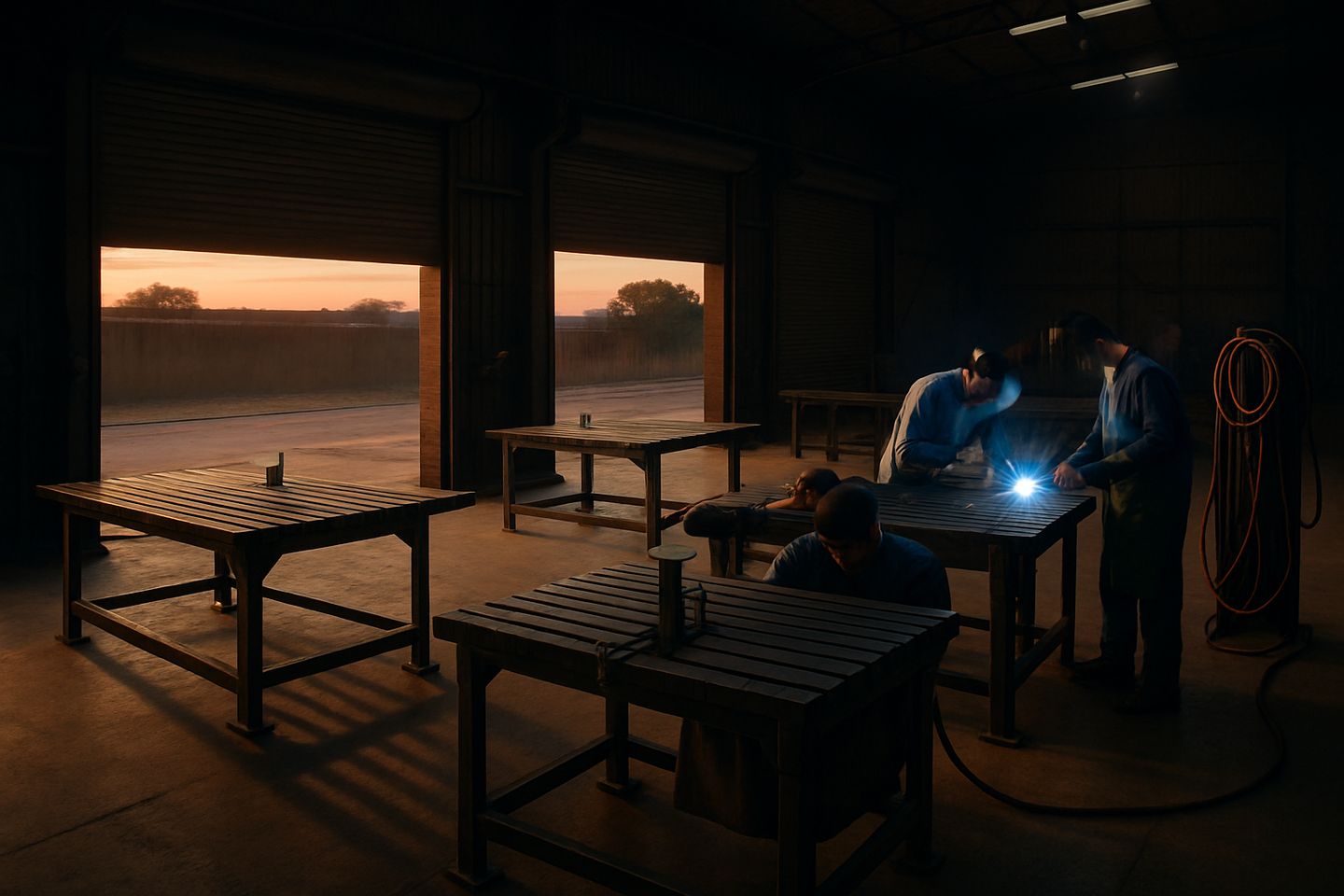
Chassis fabrication needs straight clamping, repeatable jig work and clean welds to avoid rework. Our gear and job notes help you hold spec on busy South African shop floors.
What chassis fabrication involves day to day
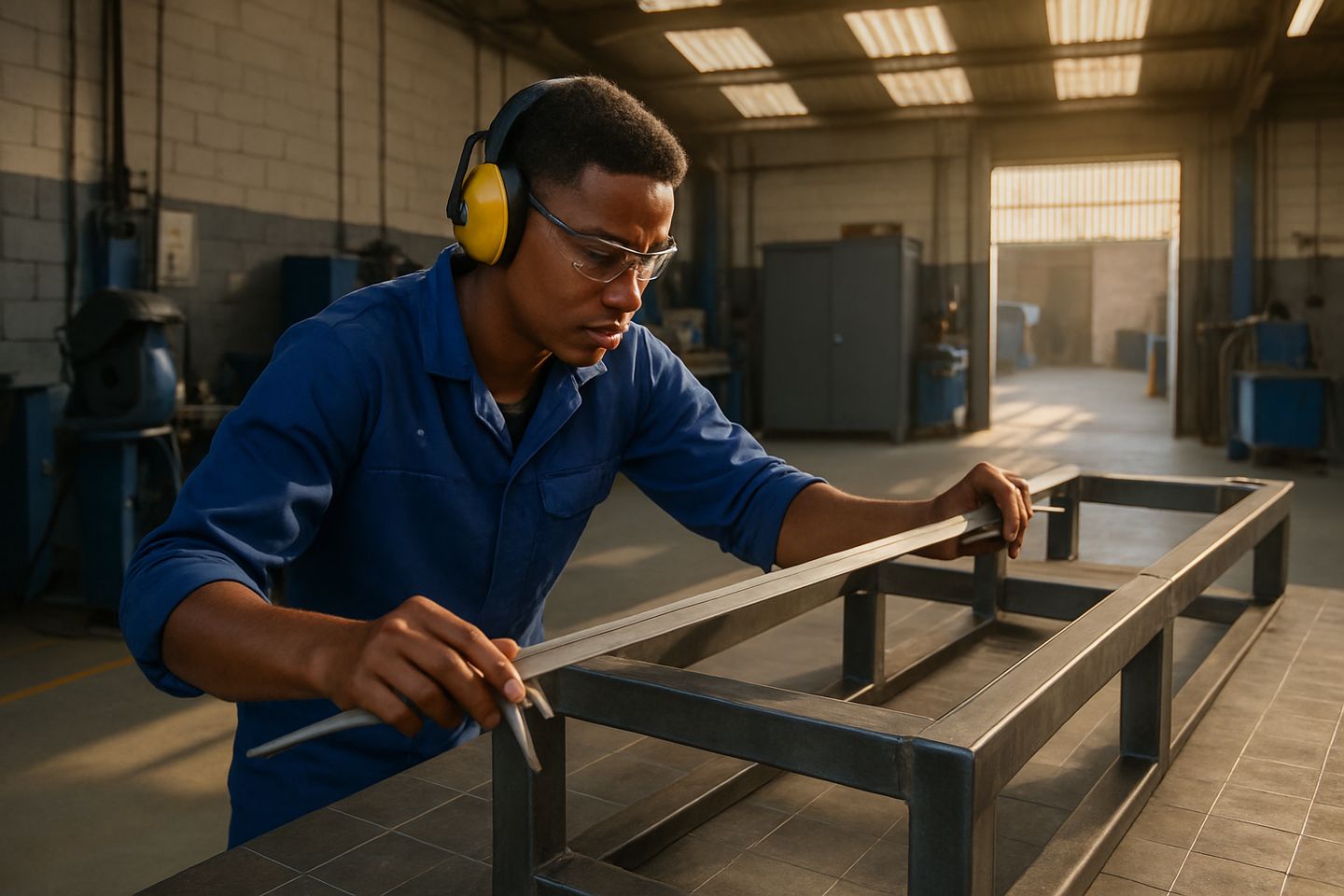
Chassis work means building, repairing or customising ladder or spaceframe structures for bakkies, SUVs, trailers, and rebuild projects. Most jobs use mild steel box, channel and plate in 2.0 to 5.0 mm, with brackets, crossmembers and mounting points welded in. Precision is key: 3 to 5 mm out of square can put wheel alignment, steering and load paths at risk.
You need to keep rails and brackets straight, welds consistent, and mounting holes in spec for suspension and body fit-up. Small errors early on can be hard to correct once the frame is closed up. Most South African yards work under tight space and shifting teams, so flexible setups are needed.
FabMaster gear that keeps chassis builds square
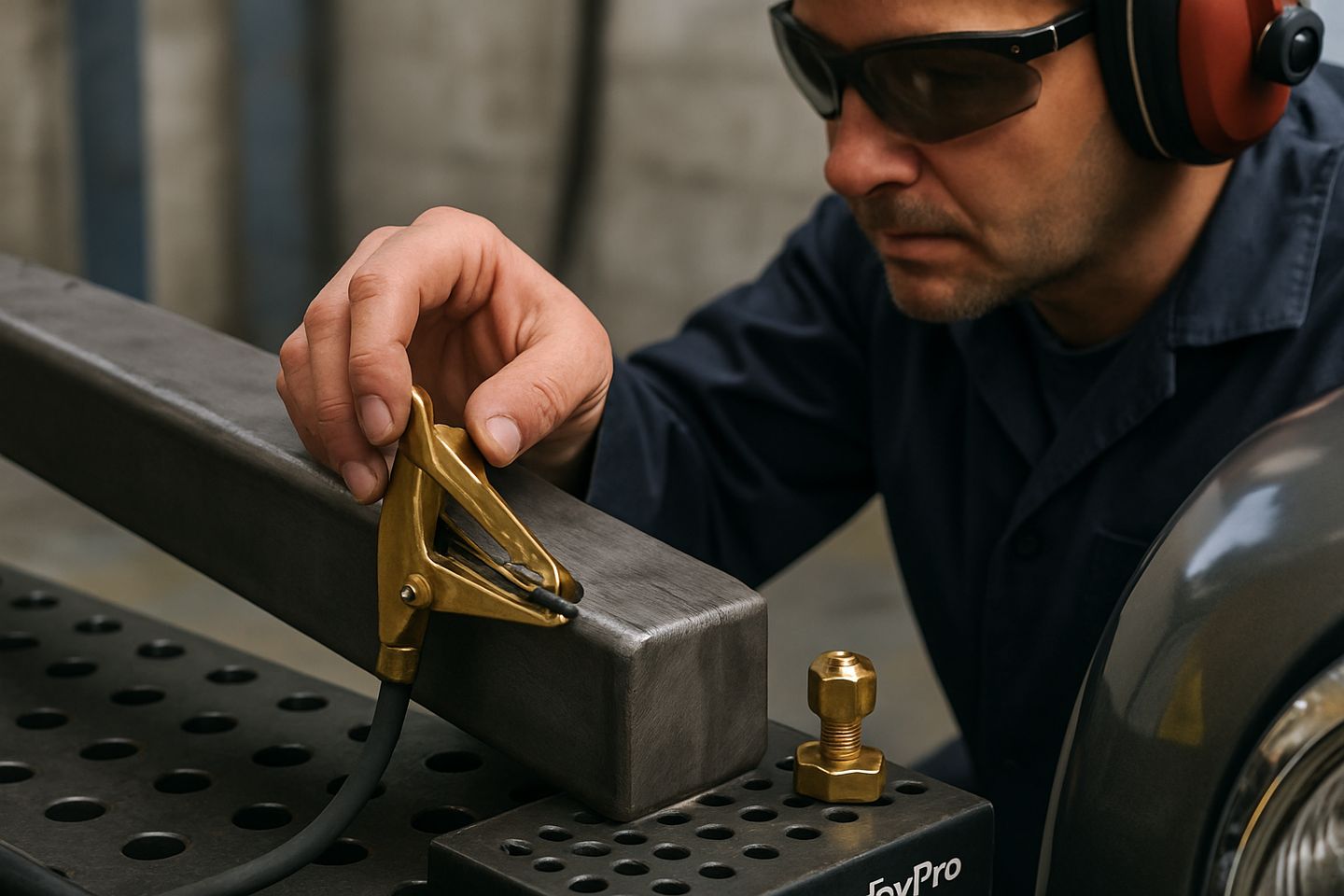
The JigKit Modular system lets you clamp rails, crossmembers and brackets to fixed angles using slot plates and blocks, with recipe tags so each chassis type is repeatable. For main assembly, BenchMaster Pro provides a 2.4 metre flat steel top with a 50 mm dog-hole grid and clean M10 earth studs, ideal for bolting and earthing big frames or tacking up long sections.
MeasureKit Fab covers the basics on the floor: fillet weld gauges for checking throat and leg size, steel squares and callipers for mounting checks, and a shift log card for each build. Add dog grid inserts and angle blocks for complex or one-off layouts. These setups avoid the drift you get with timber benches or loose bricks.
- JigKit Modular for brackets and crossmembers
- BenchMaster Pro for true flat clamping
- MeasureKit Fab for layout and weld checks
How to run chassis work in SA yards
Batch chassis jobs so you can jig, clamp, weld, then check in stages, this helps when bays are shared with other teams or when a short power cut stops welding. Keep completed frames clear of grinding sparks and spray dust. Use recipe tags on the jig plates and log each shift’s checks on the supplied cards.
On the coast, humidity rusts clamp screws and steel tops fast, wipe down and oil regularly. On the Highveld, dust settles on parts, so keep covers over clean frames and sweep after each shift. Weld records matter: most yards keep a basic weld log for each build, and chassis work for a contract often asks for welders qualified to ISO 9606-1. Use the earth studs on BenchMaster Pro for safe returns, never through chains or bearings.
- Stage work: clamp, weld, check in batches
- Log welds and checks per chassis
- Cover frames against dust and sparks
Mistakes that cost time or rework
The biggest time-wasters are poor first setups: rails not clamped flat, brackets tacked on skew or earths clamped to dirty paint. Guessing dimensions by eye instead of measuring each time leads to mounting holes or brackets out of line.
Another common slip is not keeping clear records of who welded each section or which jig recipe was used, which slows down fault-finding later. Failing to oil clamps or check jig blocks for damage causes creeping errors over several builds. Always use the right earth point, check clamps for tightness and record all welds and fit-ups as you go.
- Skew rails and brackets from poor jigging
- Dirty or loose earth returns
- Missing weld records or recipe tags
- Neglected clamp and jig maintenance
Typical starting kit
Shopfloor note: Jig recipes before the weld