
Pre-weld measure sheet
A pre-weld measure sheet keeps every job square, tracked and ready before welding starts. Fabricators and supervisors use it to catch mistakes early, shift after shift.
Why use a pre-weld measure sheet
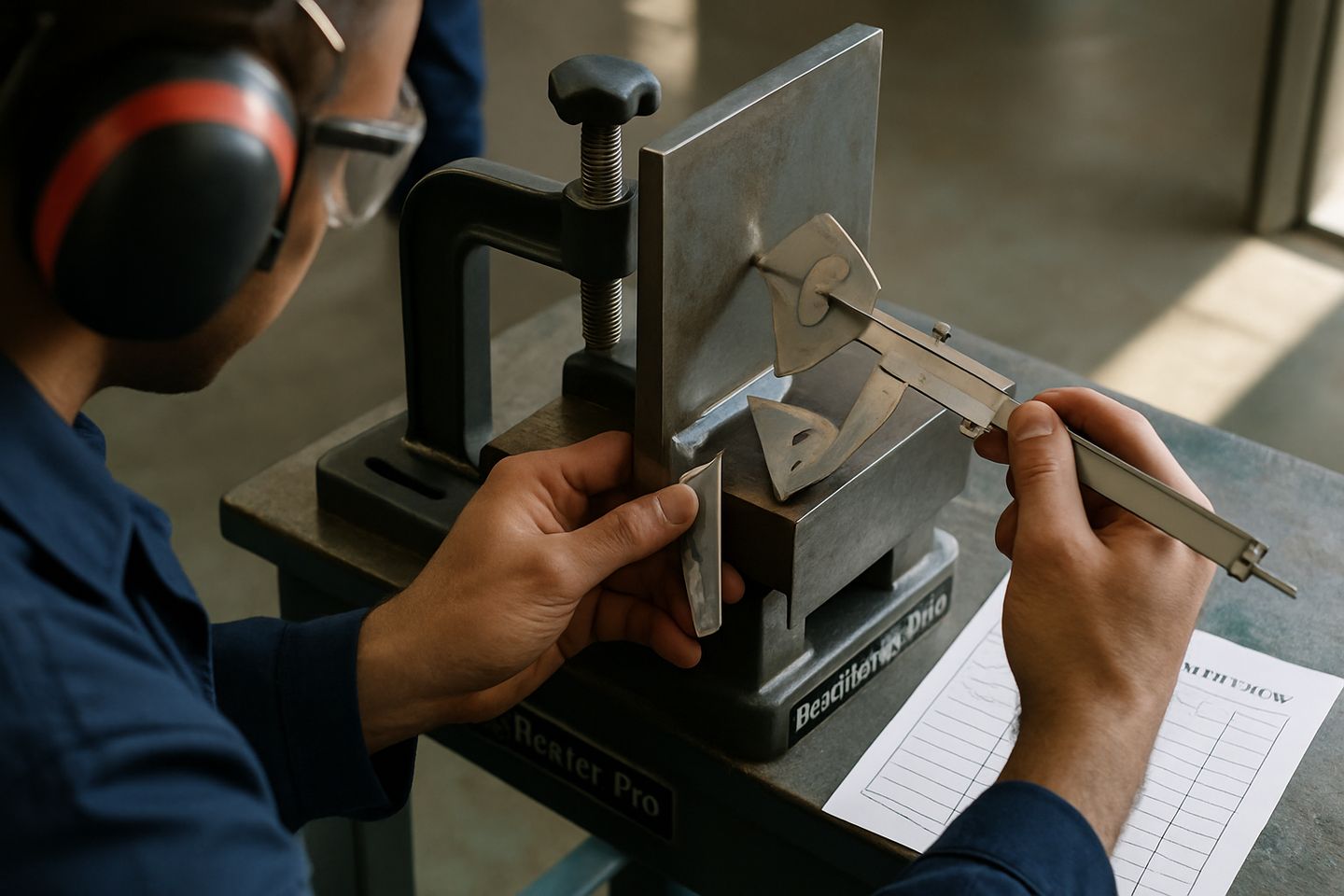
The pre-weld measure sheet is a practical record used by fitters, welders or bay supervisors to capture critical checks before welding any assembly. It cuts down on rework by flagging fit-up drift, missed alignments and gaps before the arc is struck. This sheet is meant for steel yards, trailer builders, maintenance shops and college training bays that need a simple, visual way to check and log fitments.
Any team member prepping a weld-up fills in this sheet, usually just before calling for the welder or moving the job off the layout table. It becomes the handover record if one team fits up and another welds off. By using it, you help meet the basic workshop record-keeping expected under the Occupational Health and Safety Act, and gives you the dimensional record structural steelwork contracts ask for.
What to check and record on the sheet
The pre-weld measure sheet lists step-by-step checks to catch common errors before they turn into scrap or non-compliance. Each field is quick to fill, with a tick, sketch or short note. Keep a pencil or marker at every bay for fast updates.
Typical fields or steps include:
- Job name, number and date
- Fit-up squareness, gap and flush (record key measurements and tolerances)
- Fixture and jig condition (check if straight and undamaged)
- Weld prep (bevels, root face and cleaning)
- Earth return and clamp location
- Visual check for oil, paint or contamination
- Signature or initials of checker
How workshops use the sheet every month
Supervisors use completed sheets for toolbox talks, to raise points on recurring fit-up issues or hand over shift progress. The records help spot trends, like a batch of bent jigs or a recurring gap problem. At month-end, workshop leads can review these sheets during quality audits or safety checks, linking logged problems to corrective actions.
Keep a printed stack at each bay or on a board near the layout area. In shared bays, attach the sheet to the job or bin so the next team member sees it. In college or training settings, trainers use a completed sheet as part of practical assessment, showing students how to document and fix fit-up problems.
Related on the floor
Request the PDF pack from Contact form.

Talk to FabMaster Workshop
Tell us about your bay and we'll come back with a practical kit list, or book a visit to our Sunnyrock fab floor in Germiston.